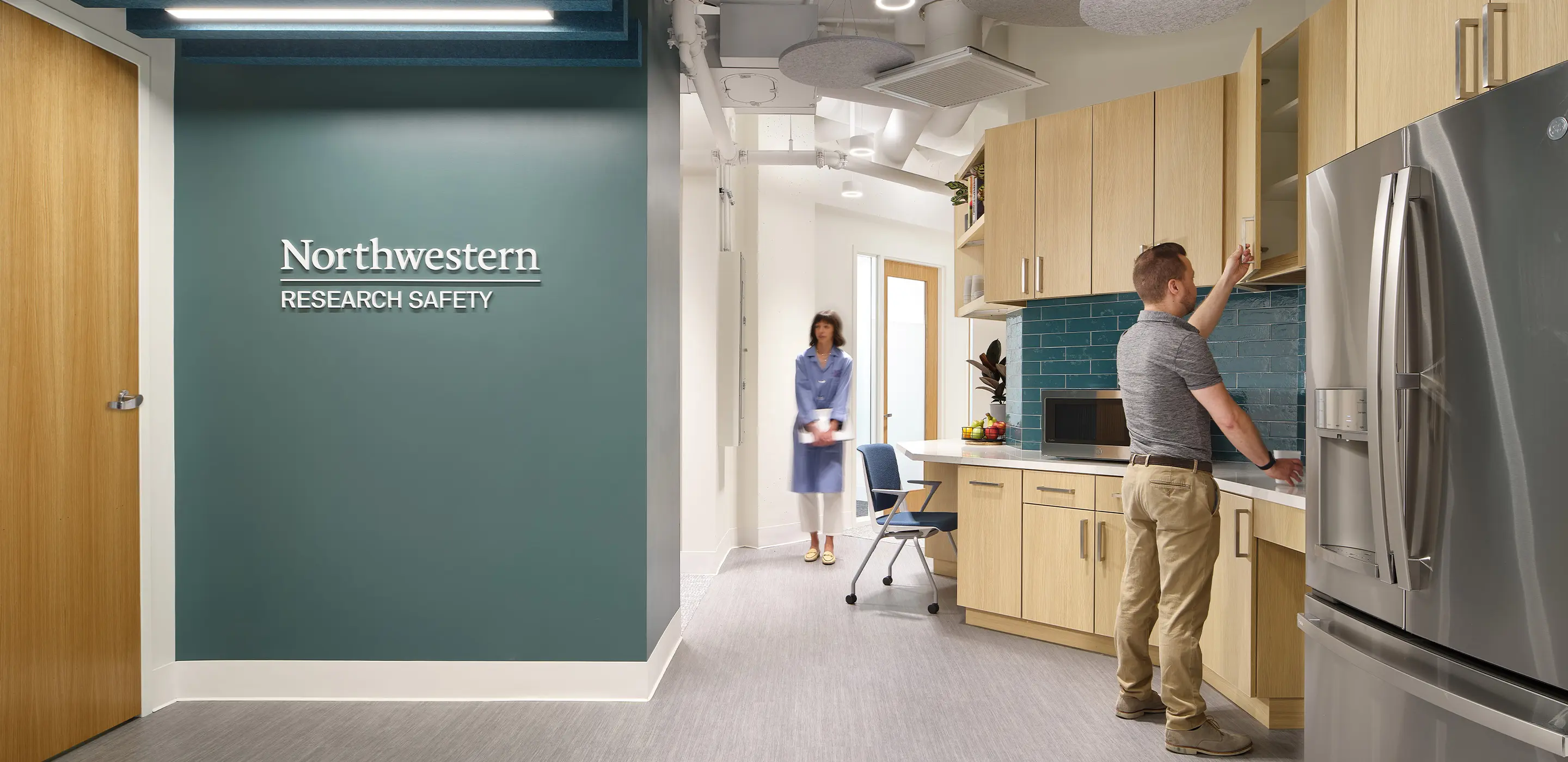
Transforming Research Space into a Connected Hub for Safety and Collaboration
Northwestern University identified an opportunity to reimagine underutilized research lab space within the Hogan Biological Sciences Building to better support its Office of Research Safety (ORS). Located on the fifth floor, the existing environment lacked cohesion, functional flow, and the infrastructure needed to support a growing, interdisciplinary team. As the first phase in a broader effort to modernize biology teaching and support spaces across the adjacent Technological Institute, this project called for a thoughtful transformation that could deliver immediate impact while aligning with long-term campus goals.
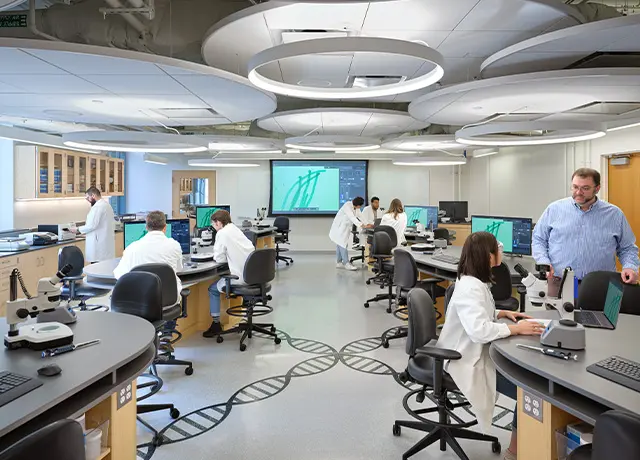
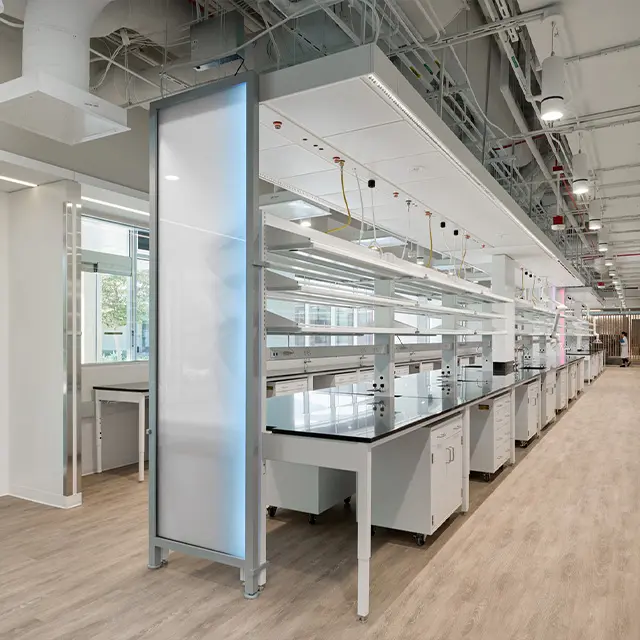
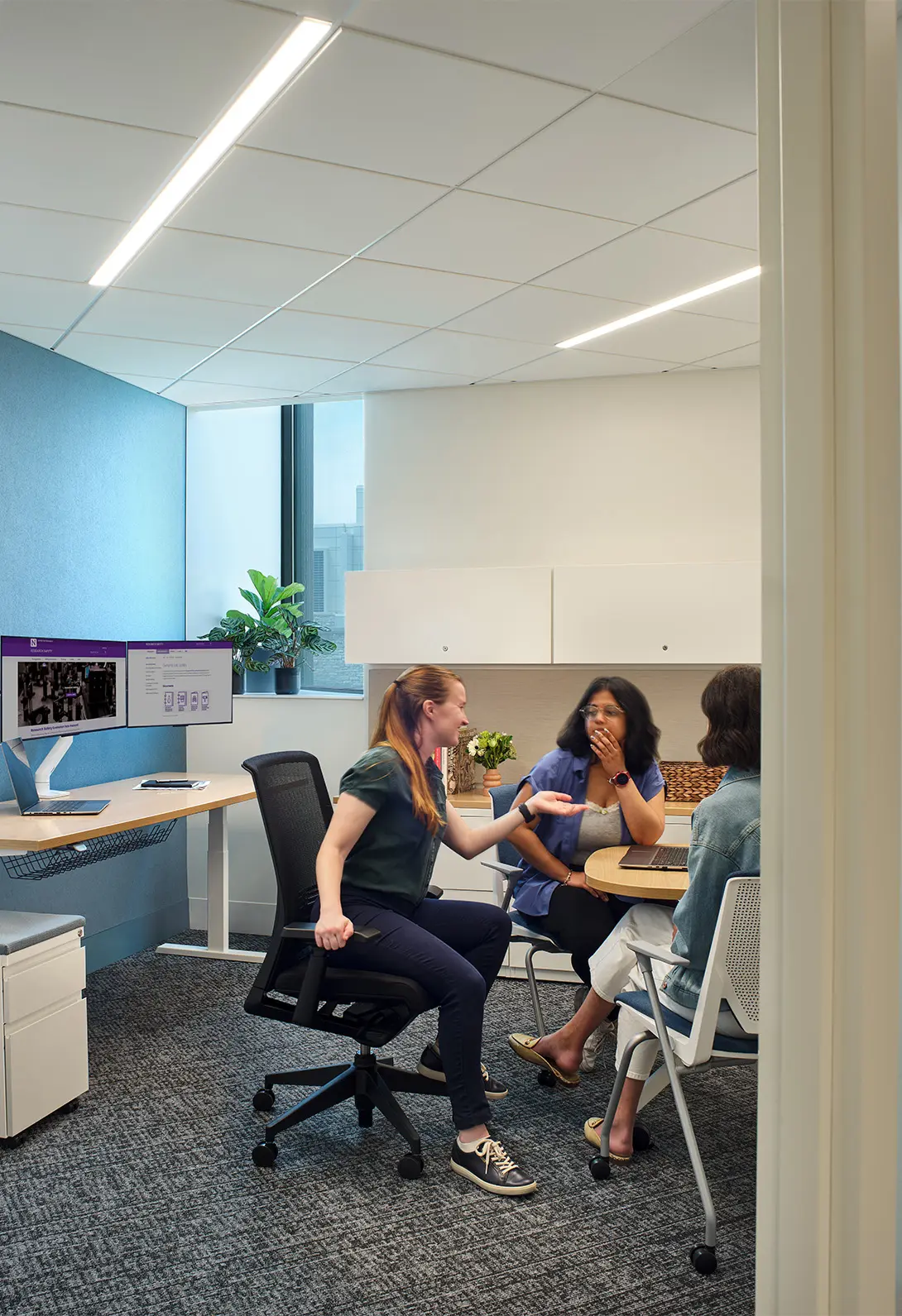
The design reconfigures the former lab into a cohesive workplace that balances technical function with day-to-day usability. Offices, a conference room, and a wet lab are organized to strengthen visual and physical connections between team members, supporting both focused work and collaboration. Circulation paths were clarified to create intuitive movement throughout the suite, allowing staff to transition easily between tasks and shared spaces. The result is a workplace that reflects the collaborative nature of research safety while supporting the specialized requirements of laboratory operations.
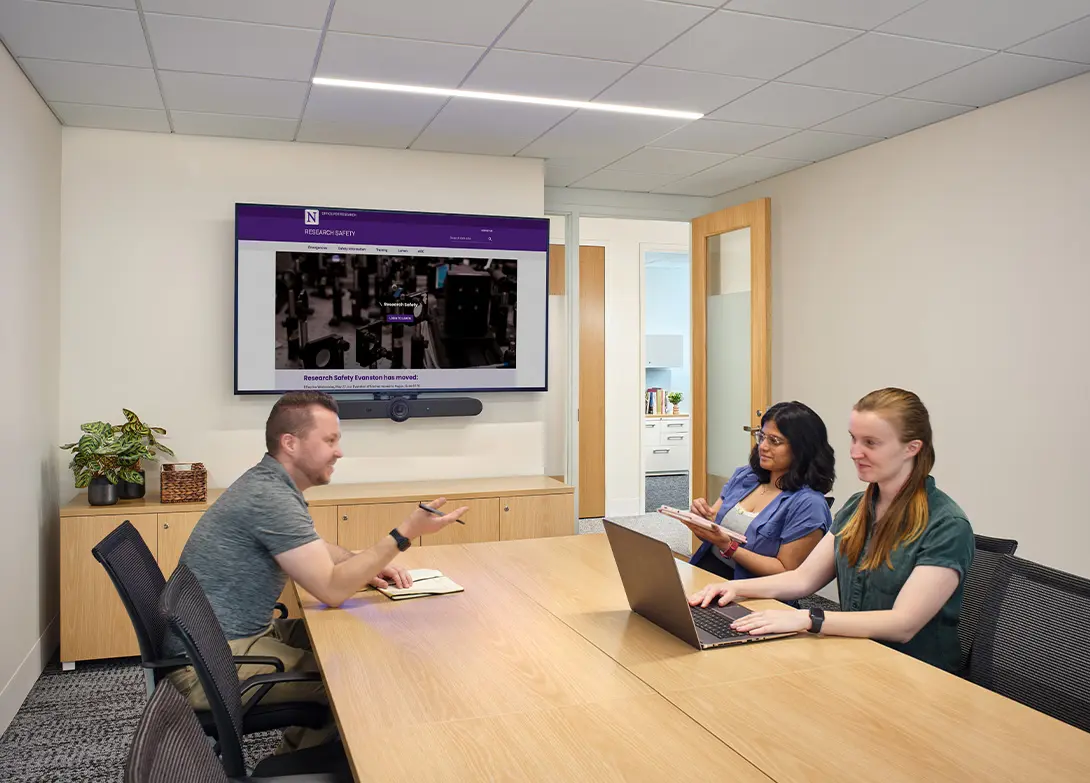
Lighting plays a central role in shaping the experience of the space. The design introduces an all-new system that prioritizes both quality and user control. Adjustable lighting levels allow occupants to tailor their environment based on task and preference, contributing to comfort and productivity throughout the day. This focus on user agency extends to thermal comfort as well. Individual offices are equipped with variable air volume boxes, vacancy sensors, and local thermostats, giving occupants the ability to fine-tune their surroundings while reducing energy use when spaces are unoccupied.
Sustainability strategies are embedded throughout the project, even within the constraints of an existing building infrastructure. Enhanced ventilation rates and improved system controls support both energy performance and indoor air quality. Material selection reflects a careful balance of environmental responsibility and human health. More than 30 percent of the material value includes recycled content, and many products feature environmental product declarations that demonstrate improved performance over standard options. Construction practices also reflect this commitment, with 75 percent of waste diverted to recycling facilities.
The interior palette draws on natural tones and textures to create a light, calm environment that supports occupant well-being. Exposed wood elements contribute to reduced embodied carbon while introducing warmth and visual interest. Acoustical performance is addressed through felt ceiling baffles and clouds, which soften sound and create a more comfortable auditory environment. All materials were evaluated through rigorous health screening, with many achieving Declare Red List Free certification, reinforcing a commitment to healthier indoor environments.
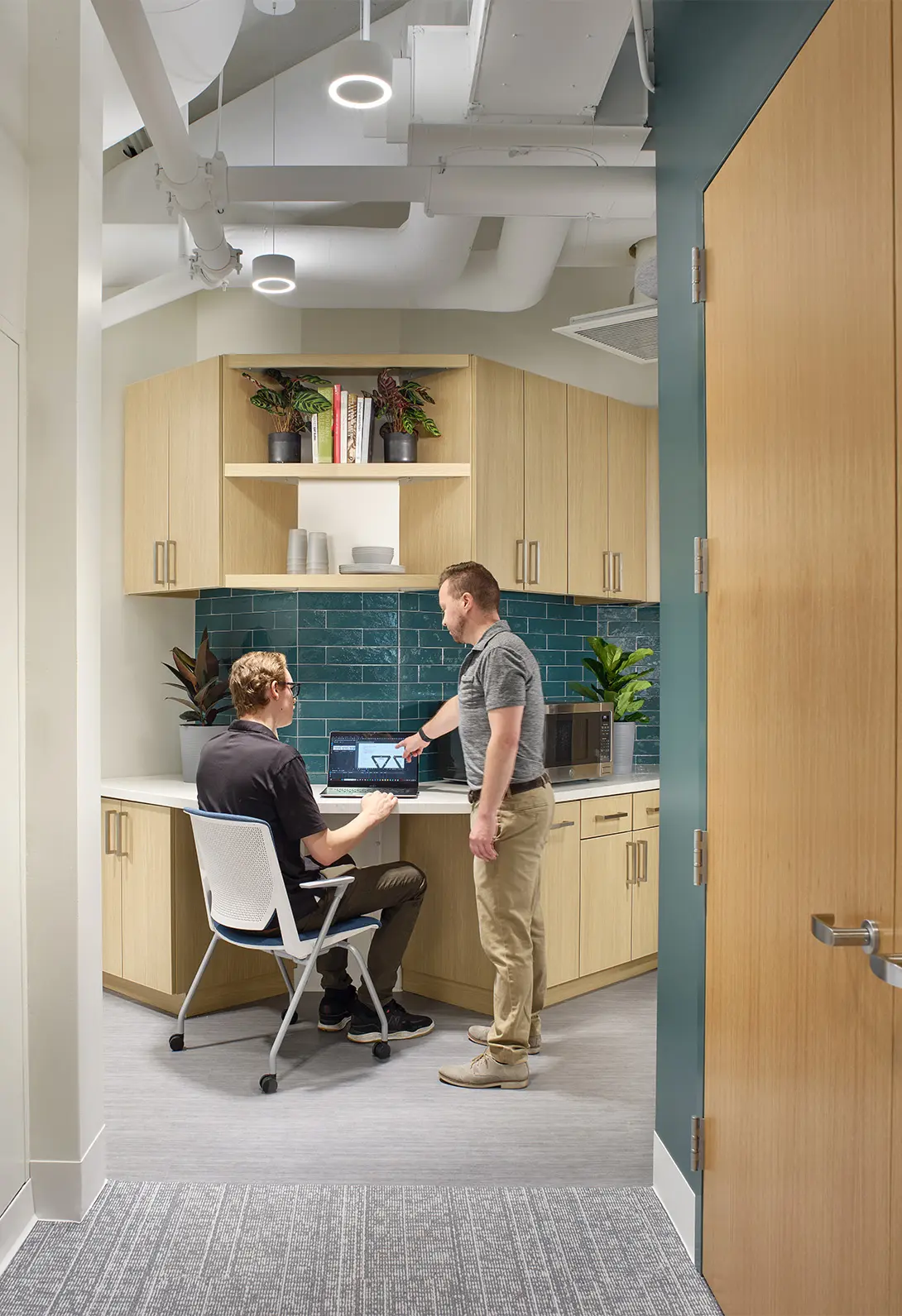
This adaptive reuse project demonstrates how targeted, thoughtful design can unlock new value within existing campus assets. For Northwestern, the ORS suite strengthens operational effectiveness while advancing broader goals for sustainability and workplace quality. For HED, it reflects a careful, integrated approach that aligns performance, well-being, and functionality, creating a space that supports both the people who use it and the mission they serve.