Advancing Campus-Wide Energy Performance Through Strategic Retrofits
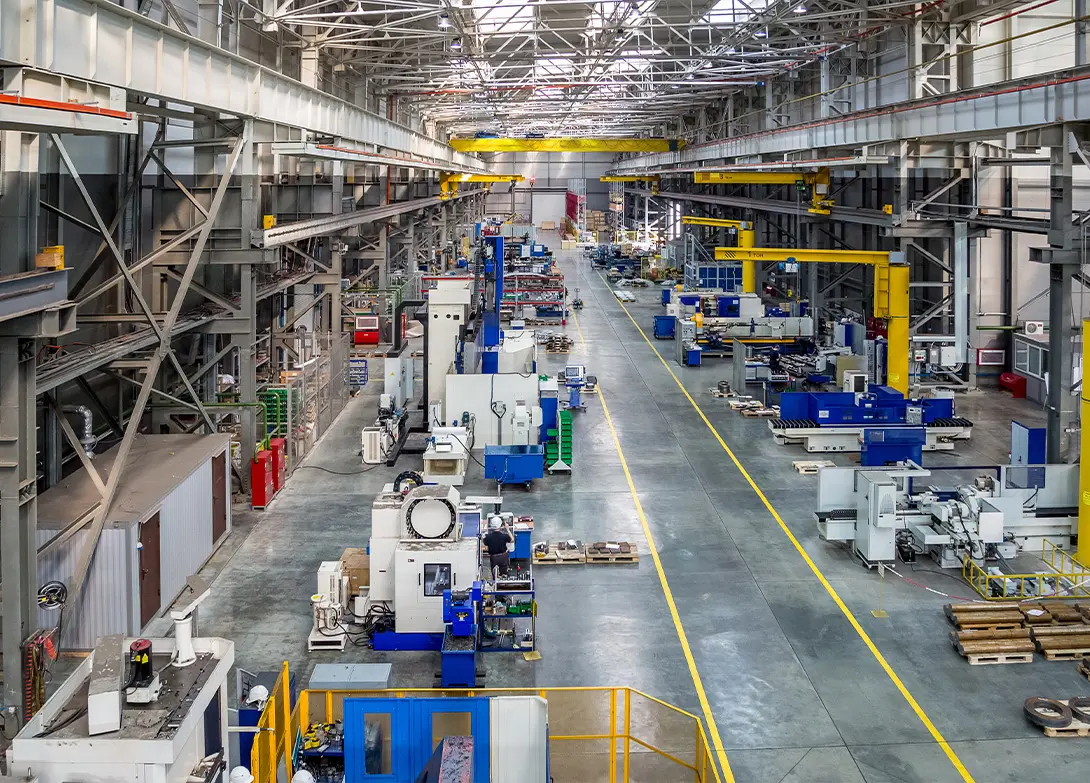
Lockheed Martin’s Palmdale, California campus reflects the scale and complexity of one of the world’s leading aerospace and defense organizations. With more than 600,000 square feet of operational space and a broader portfolio exceeding 2 million square feet targeted for improvement, the company set out to significantly reduce energy consumption across its facilities. This initiative, part of its internal IEE program, called for measurable performance gains, thoughtful use of natural resources, and minimal disruption to ongoing operations. The challenge was both technical and logistical, requiring a clear understanding of existing systems and a coordinated strategy for improvement.
Working in close partnership with Lockheed Martin, the project team approached the campus as a connected system rather than a collection of individual buildings. Through detailed site assessments and comprehensive energy audits, the team evaluated HVAC performance, lighting systems, equipment efficiency, and overall energy use patterns. These findings informed a series of executive summaries and in-depth engineering analyses, translating complex data into clear, actionable recommendations for utility review and implementation.
The design response focused on targeted interventions with measurable impact. HVAC system upgrades played a central role, improving operational efficiency and delivering an 8 percent energy savings within that system alone. Lighting retrofits replaced outdated fixtures with more efficient alternatives, improving both performance and maintenance cycles. Equipment replacements addressed aging infrastructure, while controls upgrades introduced smarter system management, allowing for more precise energy use aligned with real-time demand. Process improvements further refined how systems operated day to day, reducing waste and supporting long-term performance.
These strategies worked together to reshape how energy was consumed across the campus. The cumulative effect was substantial, reducing overall energy consumption by more than 35 percent. Just as important, the improvements were implemented in a way that aligned with the operational demands of a highly secure and continuously active environment. Construction administration and phased execution allowed upgrades to occur with minimal interruption, maintaining continuity for critical functions.
Beyond performance metrics, the project reflects a broader shift toward smarter, more responsible facility management within the aerospace and defense sector. It demonstrates how existing buildings can be reimagined through engineering insight and coordinated execution, extending their life while significantly improving efficiency. The work also reinforces Lockheed Martin’s positioning as a leader in sustainable operations, showing how large-scale organizations can reduce environmental impact without compromising performance.
At its core, this project is about clarity and precision. By grounding decisions in data and aligning technical expertise with client goals, the team delivered a solution that is both practical and forward-looking. The Palmdale campus now operates with greater efficiency, reduced resource consumption, and a stronger foundation for continued performance improvements, illustrating the value of thoughtful, integrated energy design in complex industrial environments.