Consolidating Public Health Sciences under One Roof
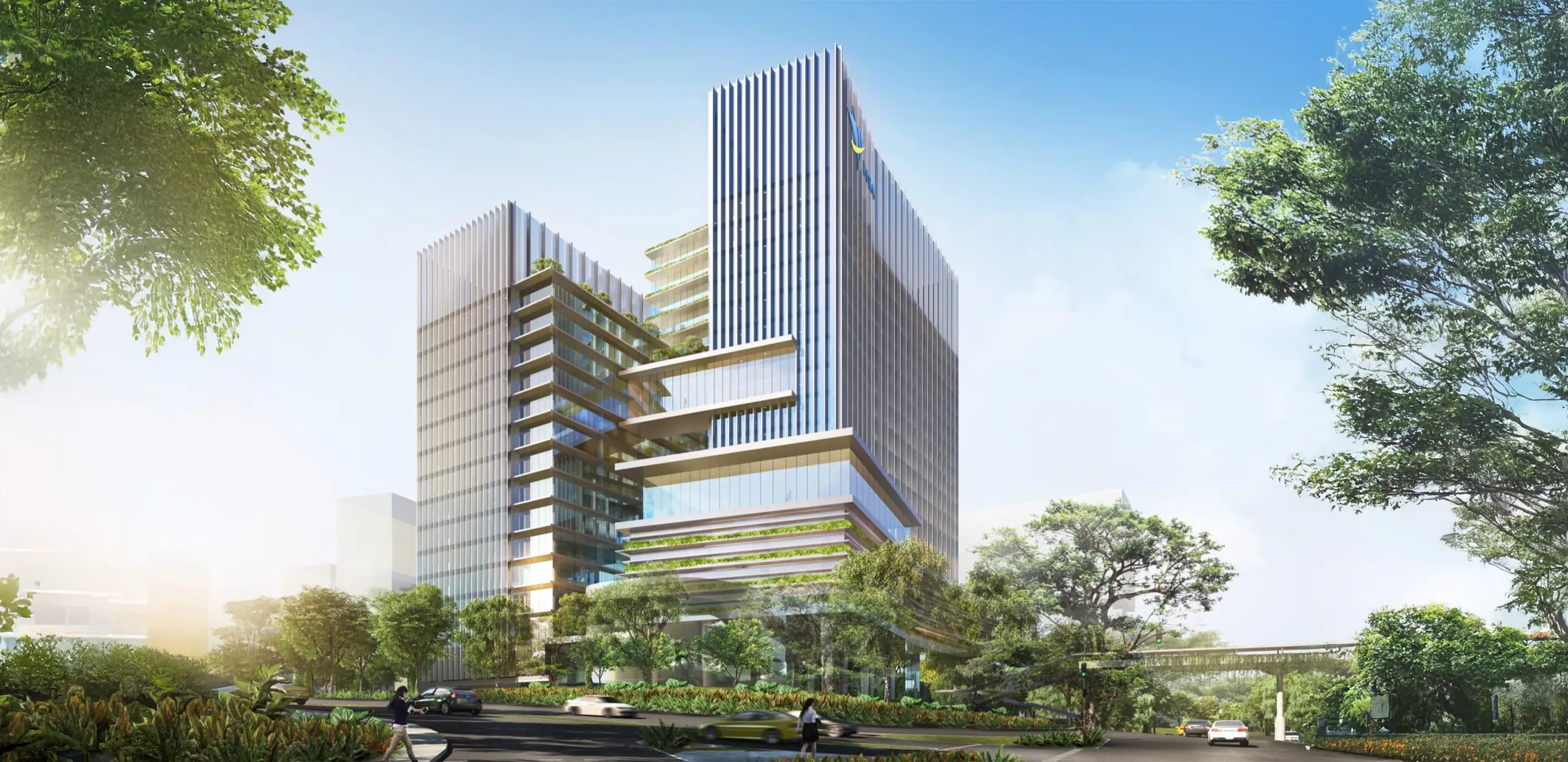
In Singapore, the Health Services Authority (HSA) commissioned a new Public Health Sciences Building to unify several national health and safety agencies under one roof. The goal was both strategic and human: to create a high-performing, secure, and sustainable workplace that advances public health, strengthens emergency preparedness, and attracts top-tier scientific talent.
The client’s work spans forensic medicine, drug evaluation, and pharmaceutical oversight and is central to protecting national welfare. It includes responsibilities as critical as regulating medical products, conducting forensic investigations, and testing and storing the national blood supply for everyday use and crisis response. Bringing these vital functions together required a new model for collaboration, precision, and trust.
The design process began with a rigorous program validation and Lean Six Sigma study that reimagined operations and spatial relationships across departments. This early integration yielded tangible efficiency: the total building footprint was reduced by 130,000 square feet while improving adjacencies, workflow, and flexibility.
Within the new facility, roughly one-third of the area is dedicated to advanced laboratory environments. These spaces support a wide range of high-security forensic and analytical disciplines from illicit drug testing and DNA biology to toxicology, food safety, and chemical metrology. Each lab type was planned for specialized containment, security, and environmental control, yet organized to promote shared support zones and interdisciplinary exchange.
HED’s integrated design team led programming, laboratory planning, and MEP design in close collaboration with government stakeholders. Together, they established a framework that balances technological rigor with operational transparency, allowing scientists to move seamlessly from bench work to data analysis while maintaining strict procedural control.
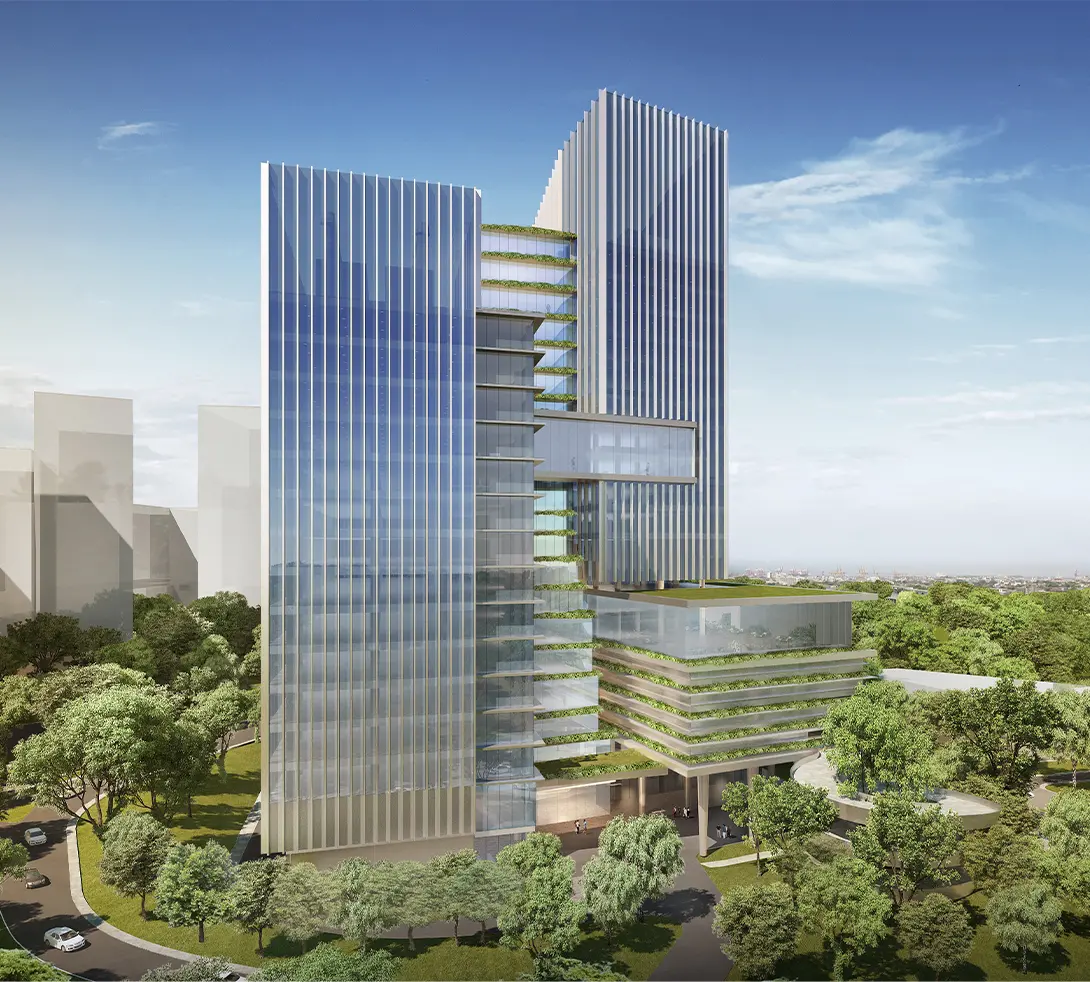
Sustainability was also fundamental. The building is designed to achieve national environmental certification, with elevated green spaces that offset its footprint and provide respite within a dense urban context. These terraces not only contribute to stormwater management and biodiversity but also serve as restorative outdoor rooms for staff, a physical reminder that even in a high-security environment, wellness and ecology can coexist.
The new Public Health Sciences Building represents a generational investment in national resilience. By consolidating complex laboratory functions into a single, efficient, and sustainable structure, it strengthens the infrastructure of public safety while embodying the values of collaboration and scientific excellence that define modern governance.