Balancing Scale, Speed, and Sustainability
When NTT set out to expand its Chicago-area data center campus, the challenge was twofold: the new building needed to deliver massive IT capacity on an aggressive timeline, and it needed to demonstrate that mission-critical infrastructure could meet the sector’s demands for efficiency and sustainability. In a market where uptime and scale often overshadow environmental responsibility, NTT saw an opportunity to show that speed, resilience, and sustainability can work together.
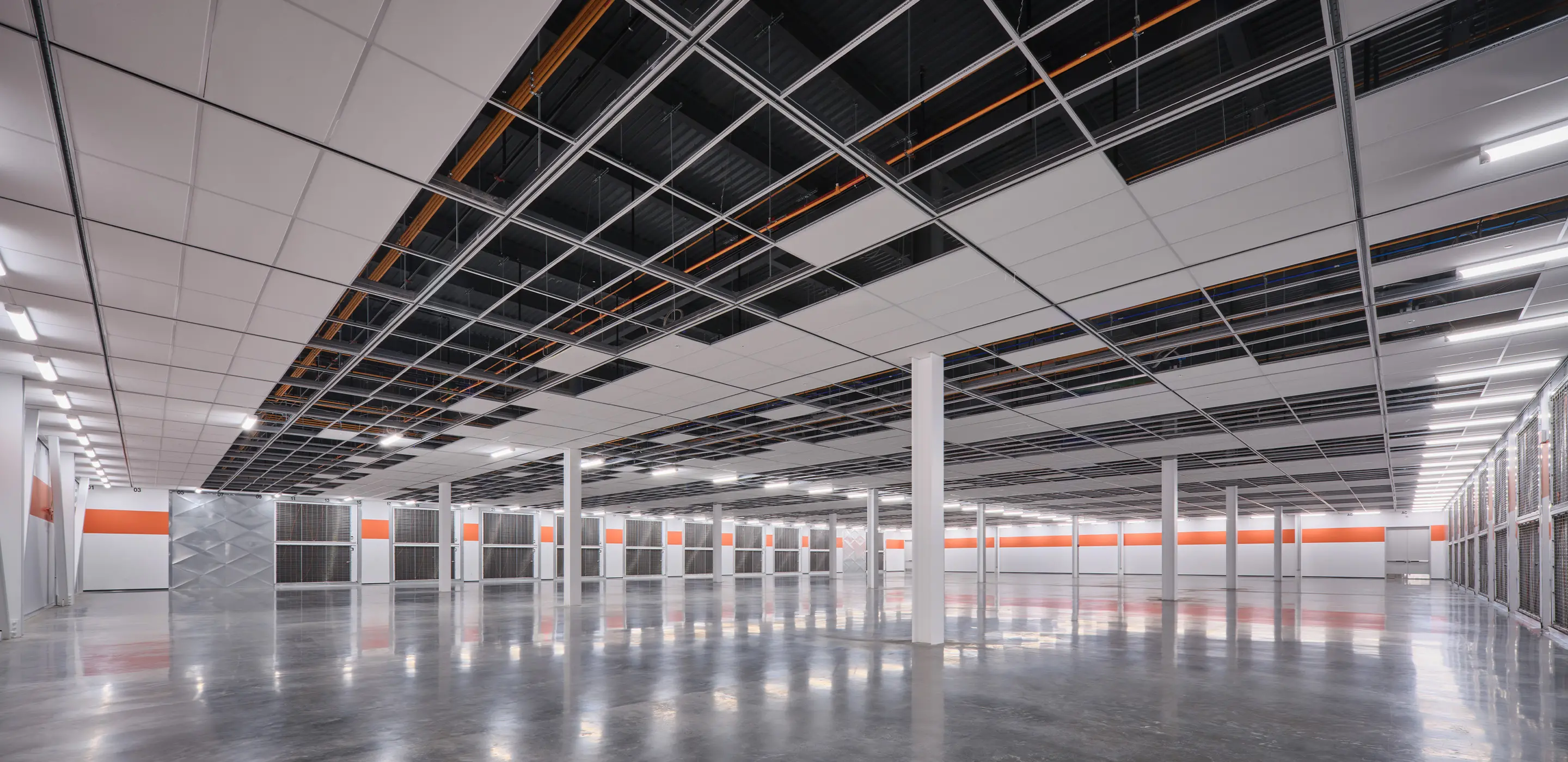
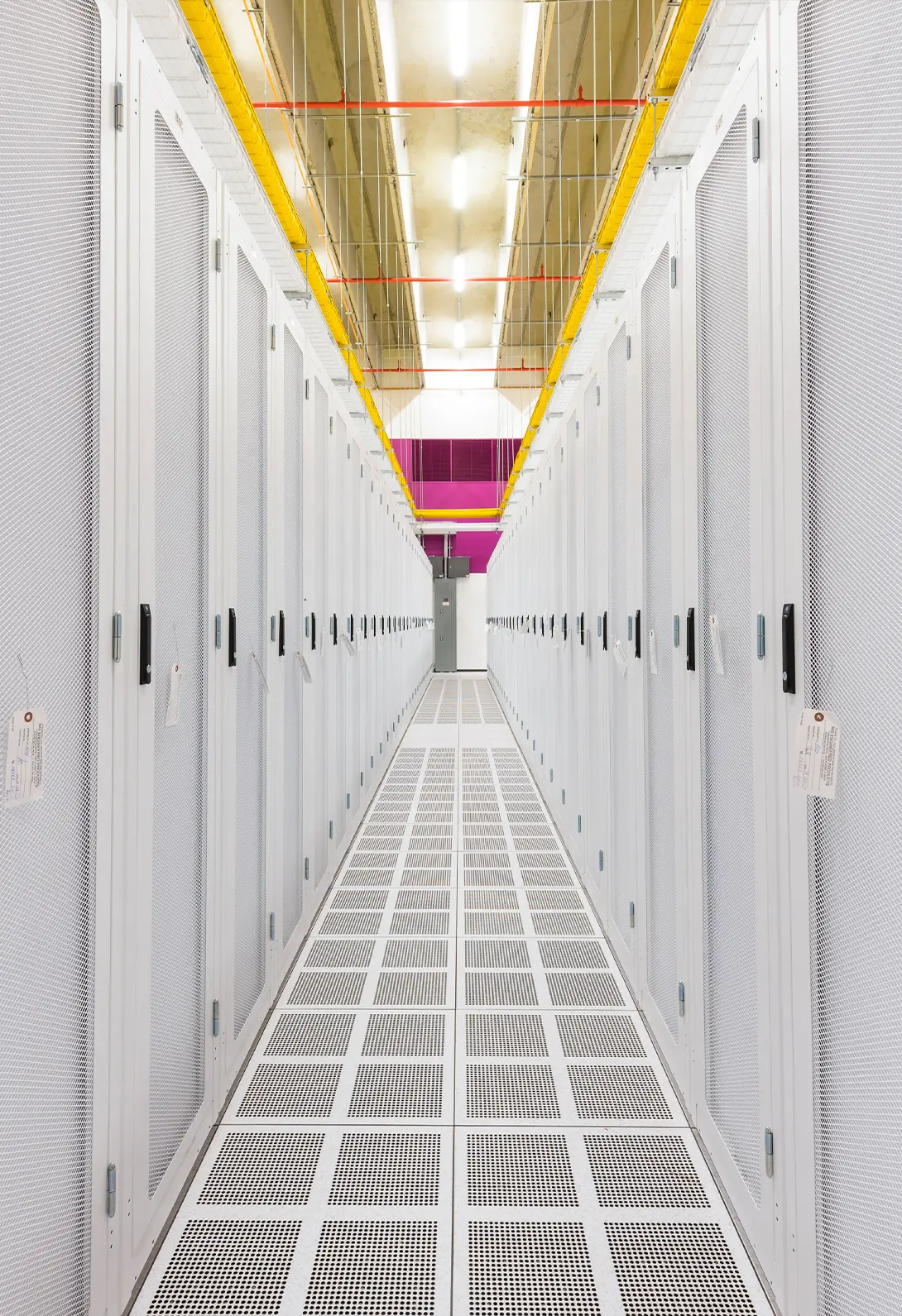
HED partnered with NTT to design CH 2, the second building on the Itasca II campus. The facility provides 36 megawatts of IT capacity organized across six 6MW data halls. From day one, the design process was centered on efficiency—of both performance and delivery. Working in a shared digital model, architects, engineers, and collaborators aligned decisions in real time, minimizing delays and eliminating costly rework. This integrated approach allowed the team to compress delivery schedules while maintaining the technical rigor required for mission-critical systems.
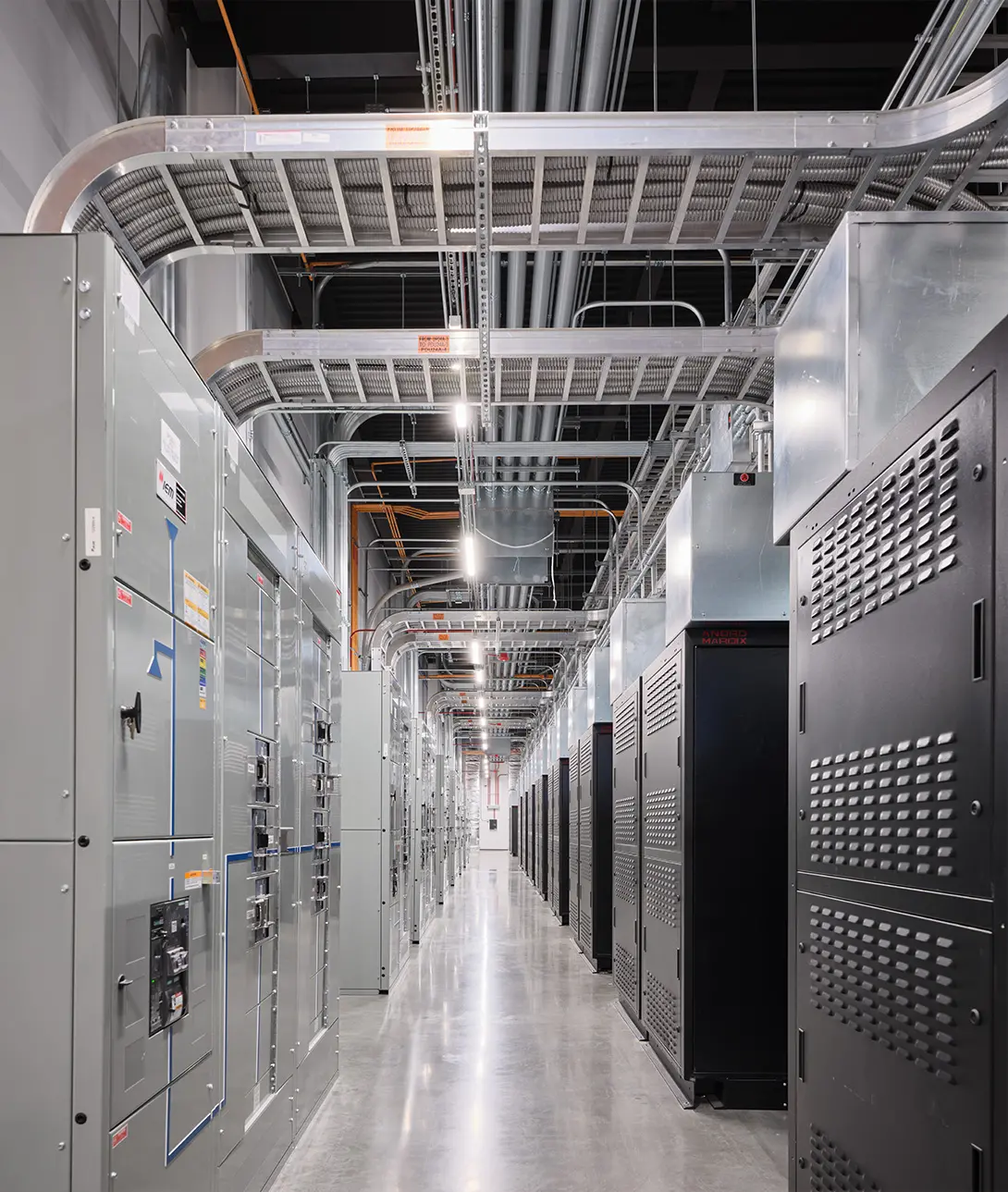
A major innovation was the use of prefabricated modular electrical enclosures built off-site. These modules arrived ready for installation, streamlining construction and reducing risk in the field. By shifting complexity to a controlled environment, the project saved time, improved quality control, and reduced the potential for schedule disruption. For a facility of this scale, where every week matters, prefabrication was a critical strategy.
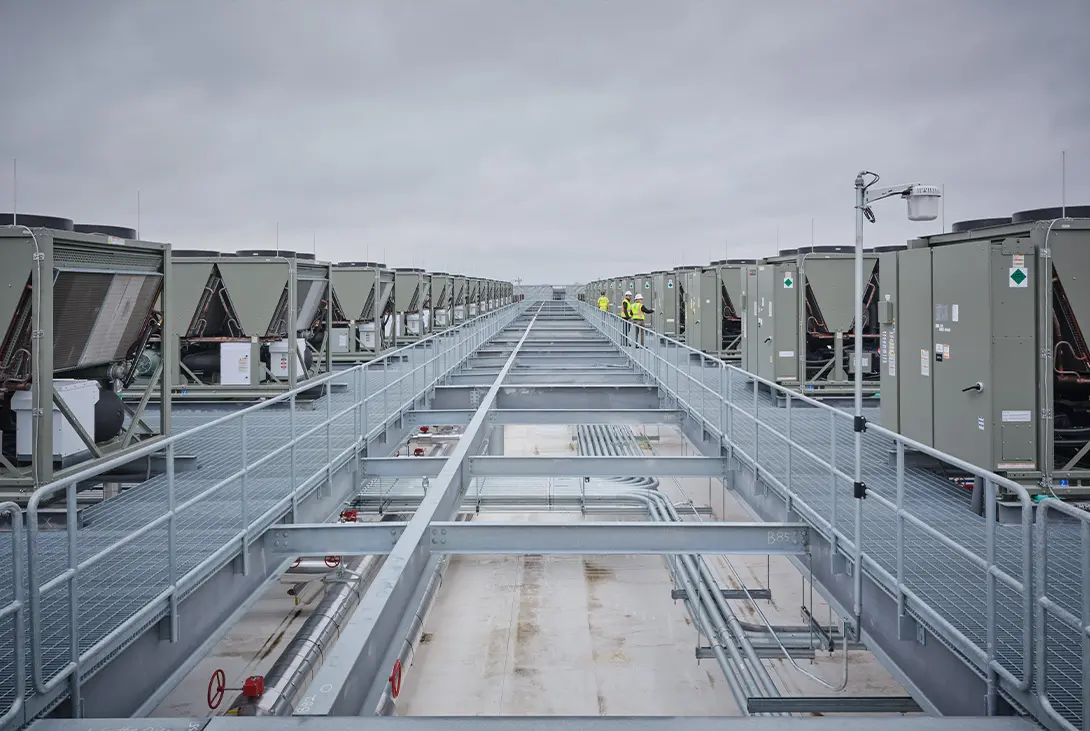
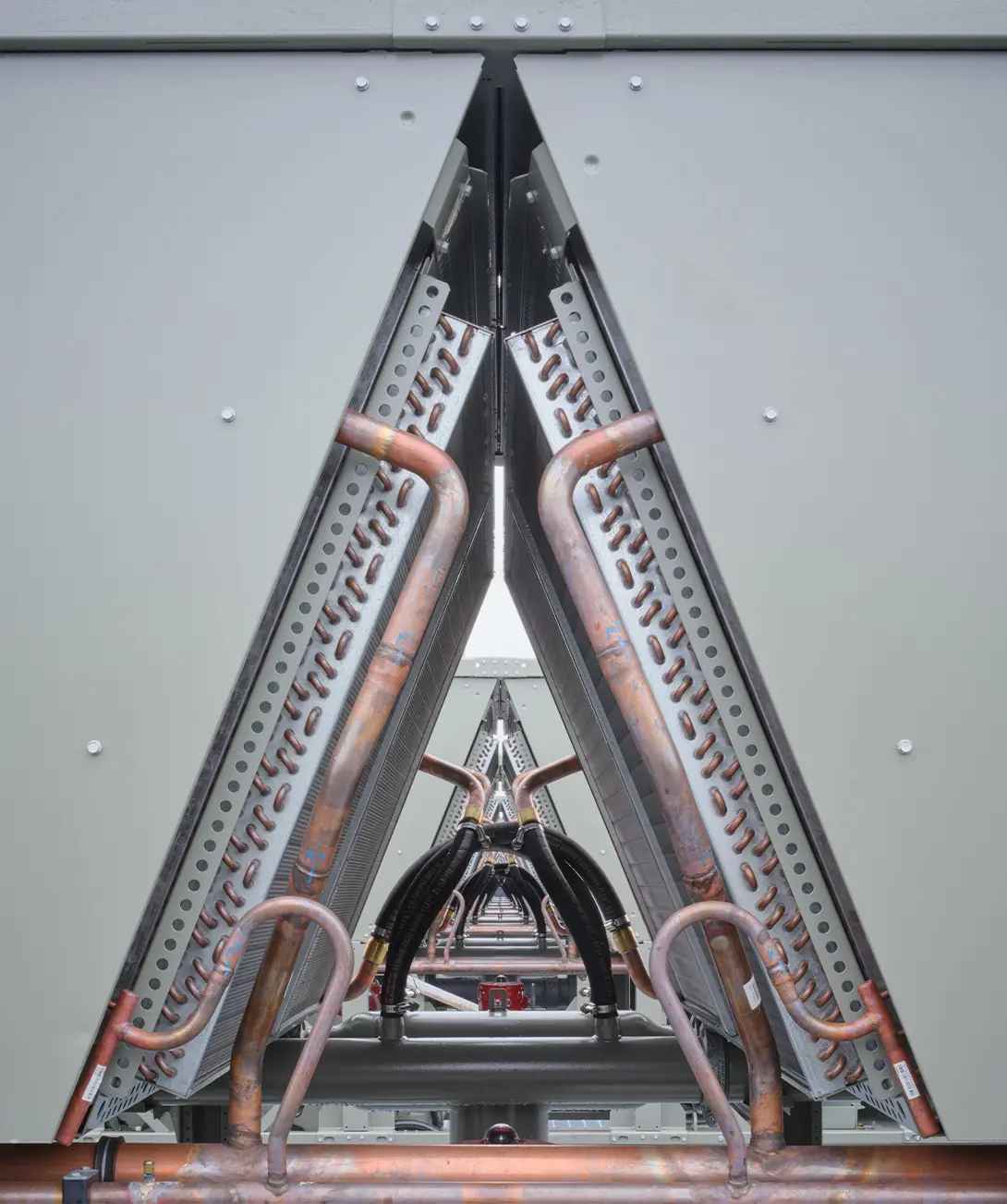
Mechanical and electrical systems were designed with the same focus on reliability and efficiency. Roof-mounted, air-cooled chillers provide high-efficiency cooling while simplifying operations and maintenance. Resilient power strategies were integrated to protect uptime while allowing flexible distribution to different tenant types, from colocation providers to hyperscale clients. By embedding adaptability into the backbone of the facility, CH-2 is prepared to evolve as both technology and sustainability standards continue to change.
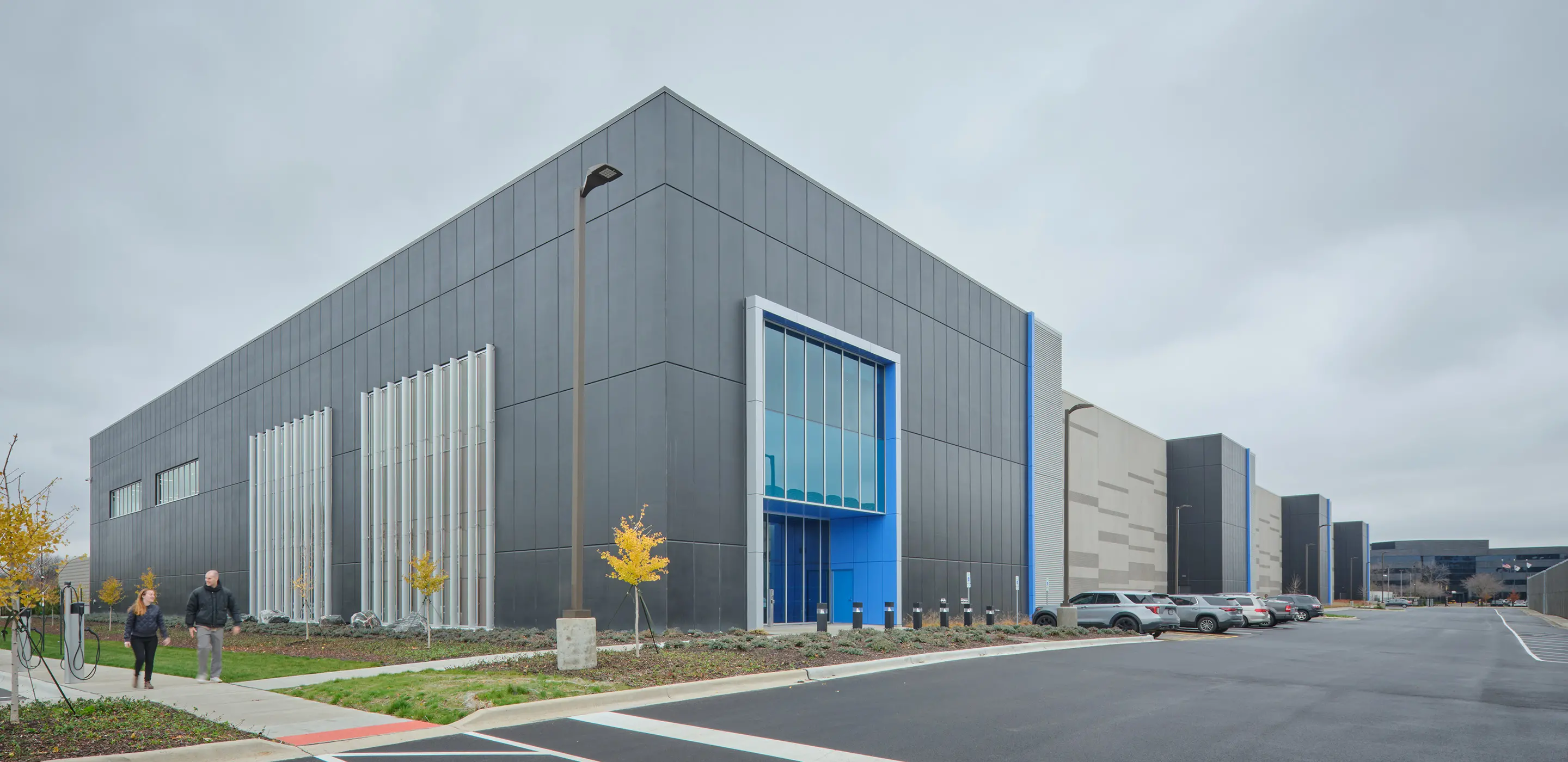
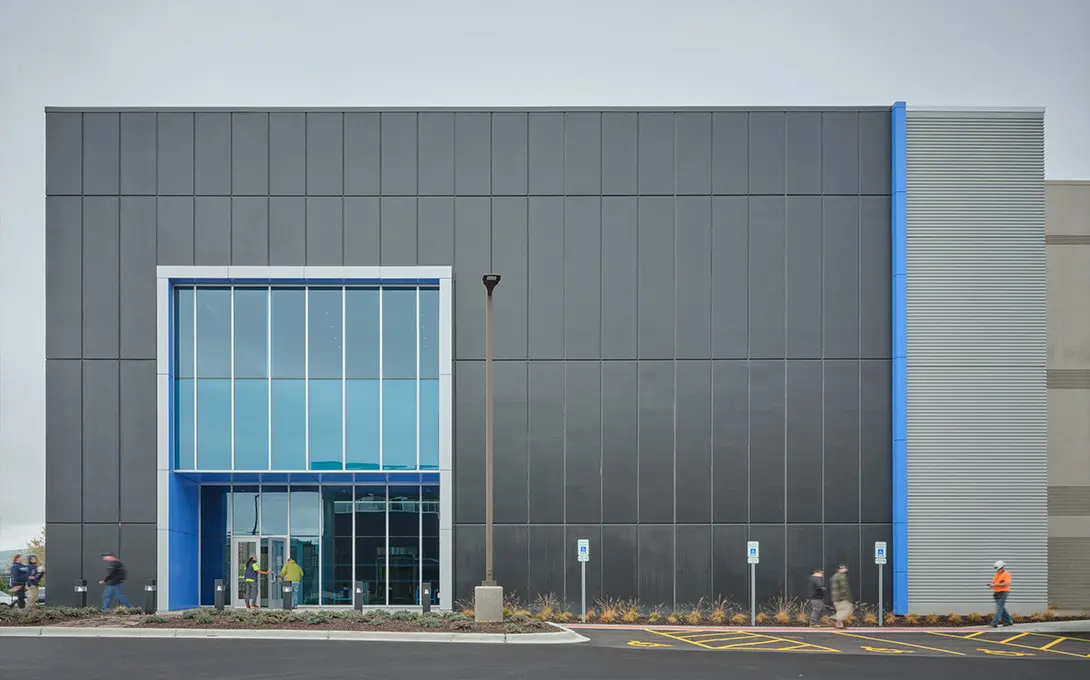
Durability and sustainability also shaped the envelope and site. The building’s precast concrete skin, supported by a steel structure, delivers long-term performance while maintaining a clean, cohesive presence in the community. Native landscaping surrounds the campus, eliminating the need for irrigation and creating an exterior environment that reflects the same environmental priorities as the building itself. These strategies contributed to CH 2 achieving LEED Certification a significant milestone in a sector where energy intensity is a defining challenge.
In a field where scale and uptime are non-negotiable, the CH 2 Data Center proves that sustainability does not have to come second. By designing for performance and environmental responsibility together, HED and NTT created a data center ready for both today’s demands and tomorrow’s expectations.