Introducing Community Living Design
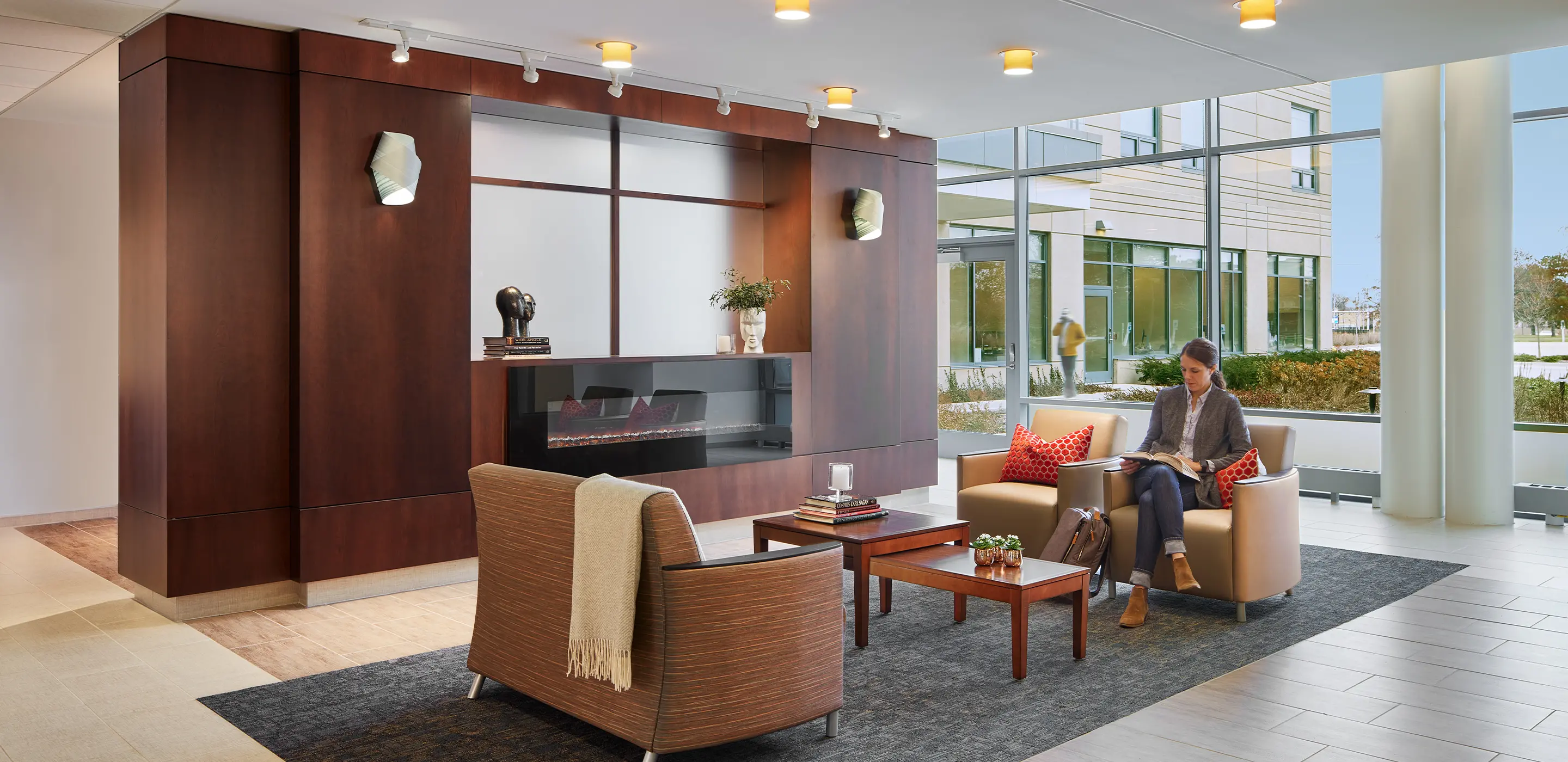
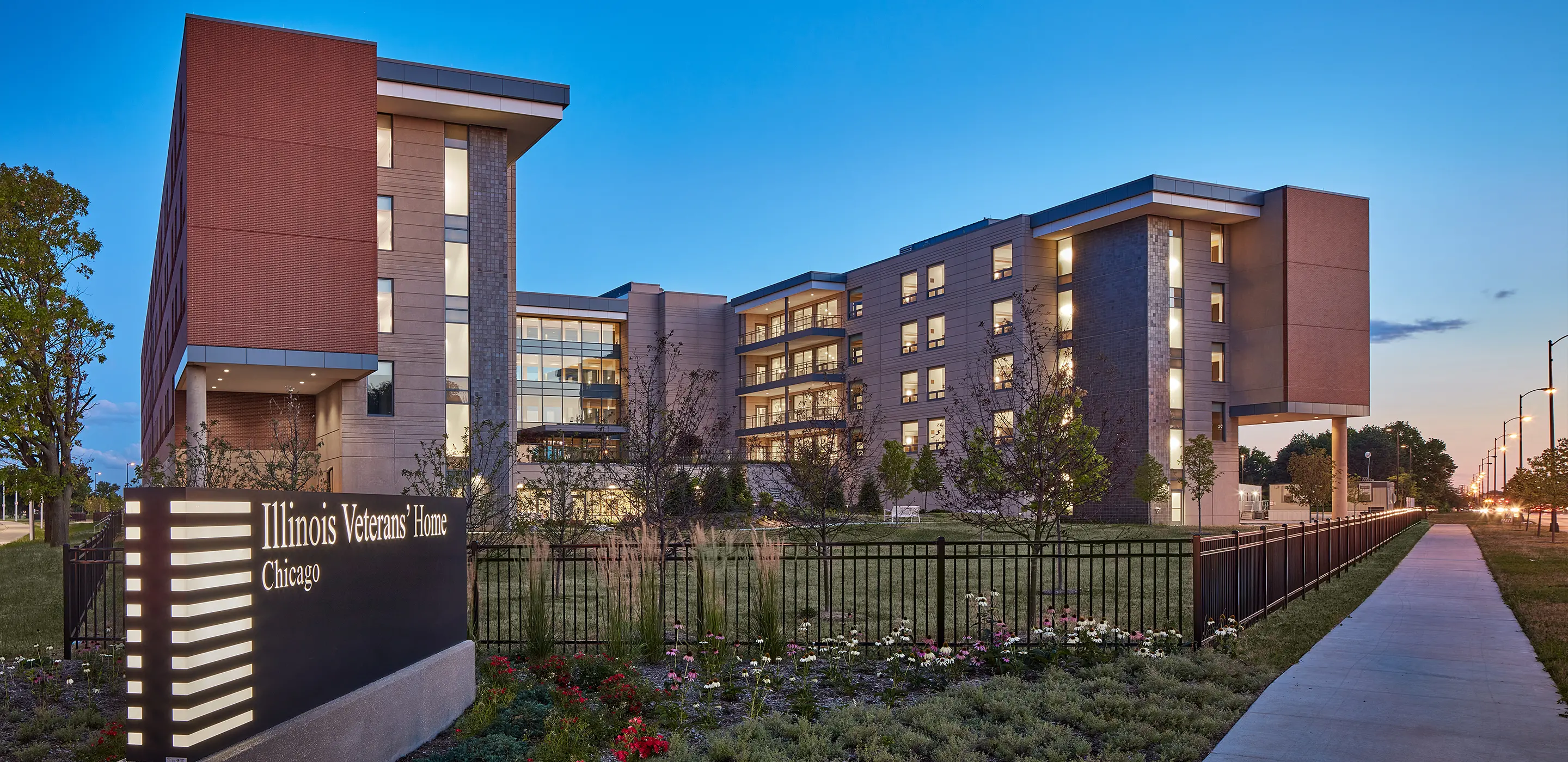
The Illinois Veterans’ Home on Chicago’s northwest side marks a milestone in the state’s commitment to those who served. As the first newly constructed veterans’ home in Illinois in more than 20 years, it also stands as the first such facility in the state to incorporate the federal Community Living Center (CLC) guidelines. This progressive approach redefines long-term care for veterans by blending residential character, community interaction, and access to nature.
character, community interaction, and access to nature.
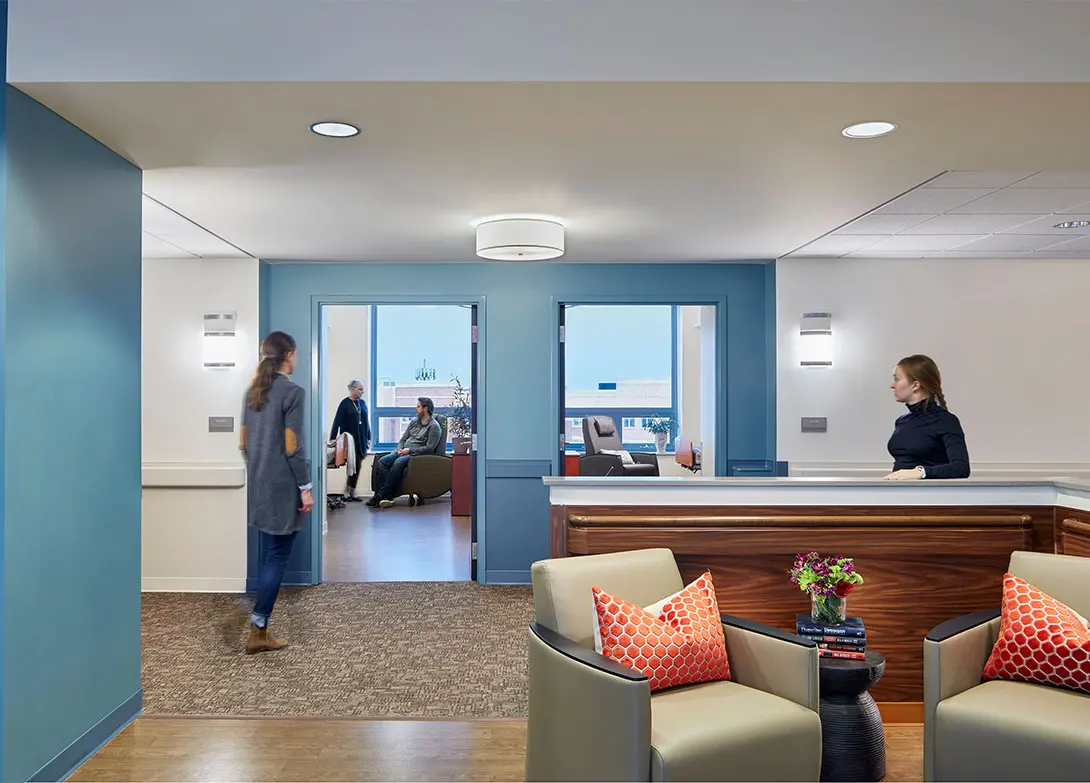
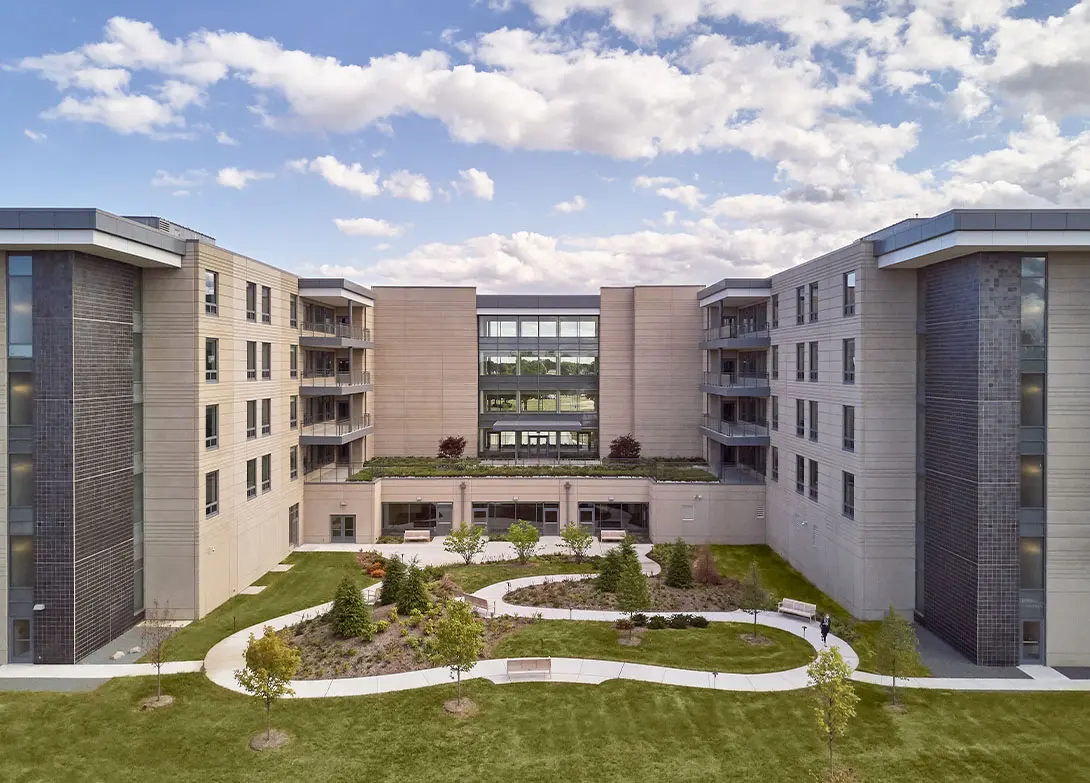
At 200 beds, the facility demonstrates how the “small house” model can be applied successfully at scale. Rather than organizing residents into long corridors of rooms, each floor is subdivided into four distinct households, each with its own sense of identity and community. This arrangement supports smaller, more personal environments that foster social connections and comfort while still meeting operational demands.
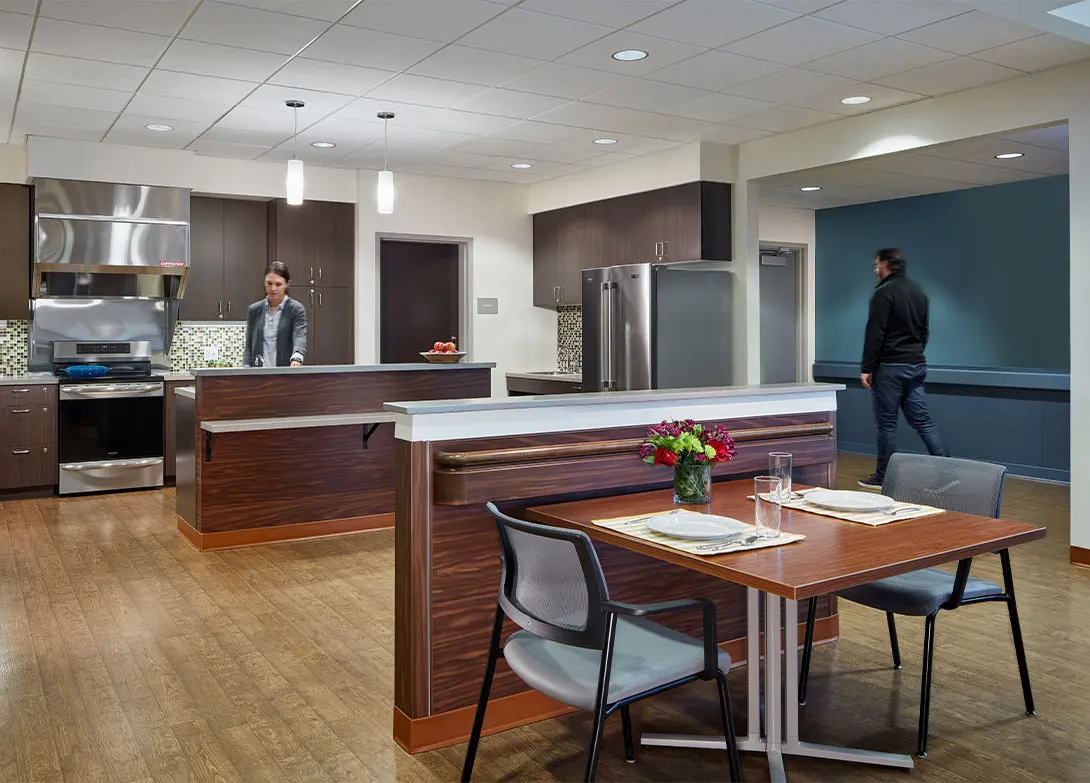
The dining program illustrates this hybrid philosophy. A central kitchen serves the full facility, while each household also includes its own residential-style kitchen. This dual approach balances efficiency for the operator with flexibility and familiarity for residents, allowing meals to be experienced as both communal events and home-like gatherings.
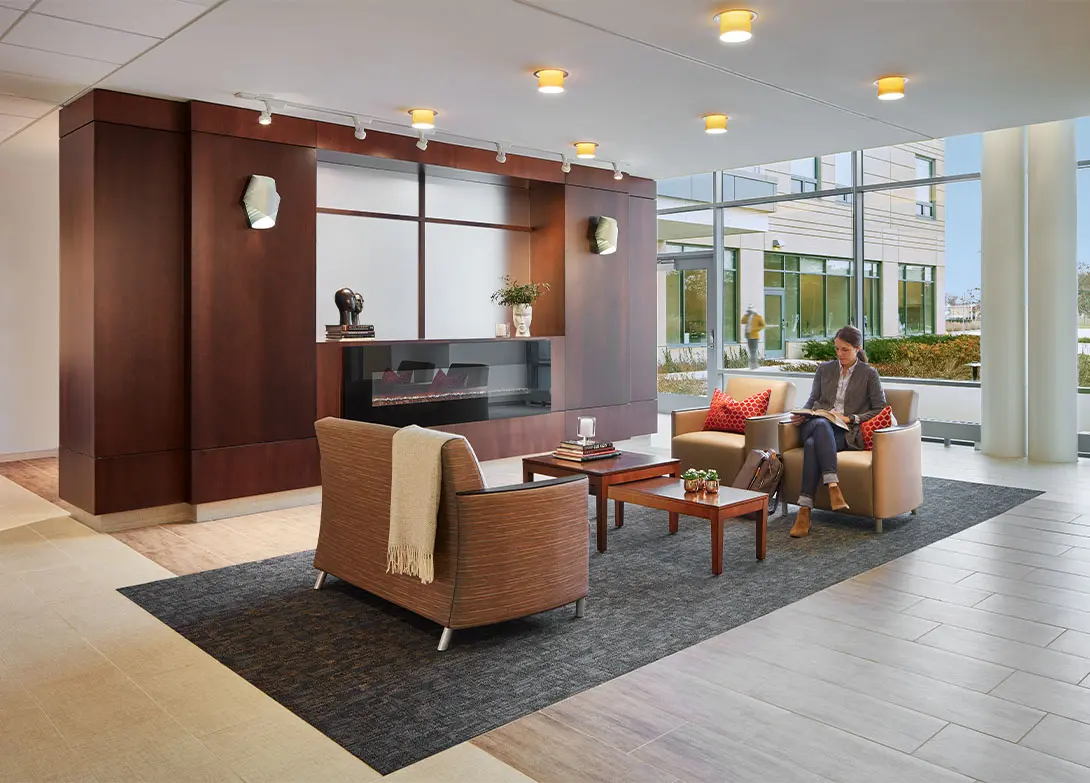
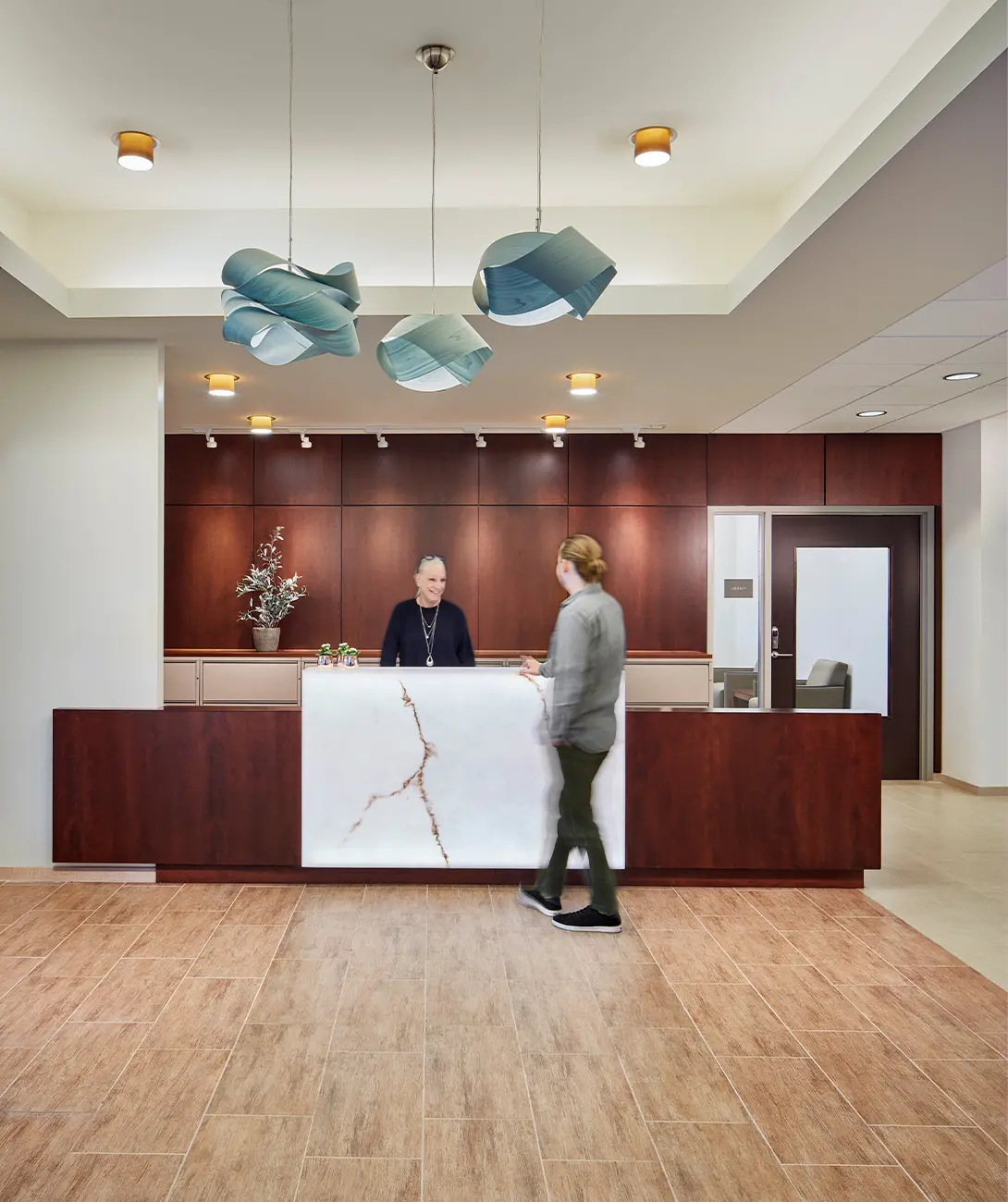
The ground floor embodies the CLC concept of a “Town Center.” Shared amenities and services create a lively core where residents can gather, socialize, and participate in community life. These central spaces, paired with the intimate scale of the households, give the building both vibrancy and comfort.
Recognizing the restorative power of nature, HED’s design provides every household with balconies, reinforcing the CLC principle that access to the outdoors is essential to health and wellbeing. On the second floor, the four Memory Care households have direct access to a secure terrace, allowing residents to safely enjoy sunlight and fresh air in a protected environment.
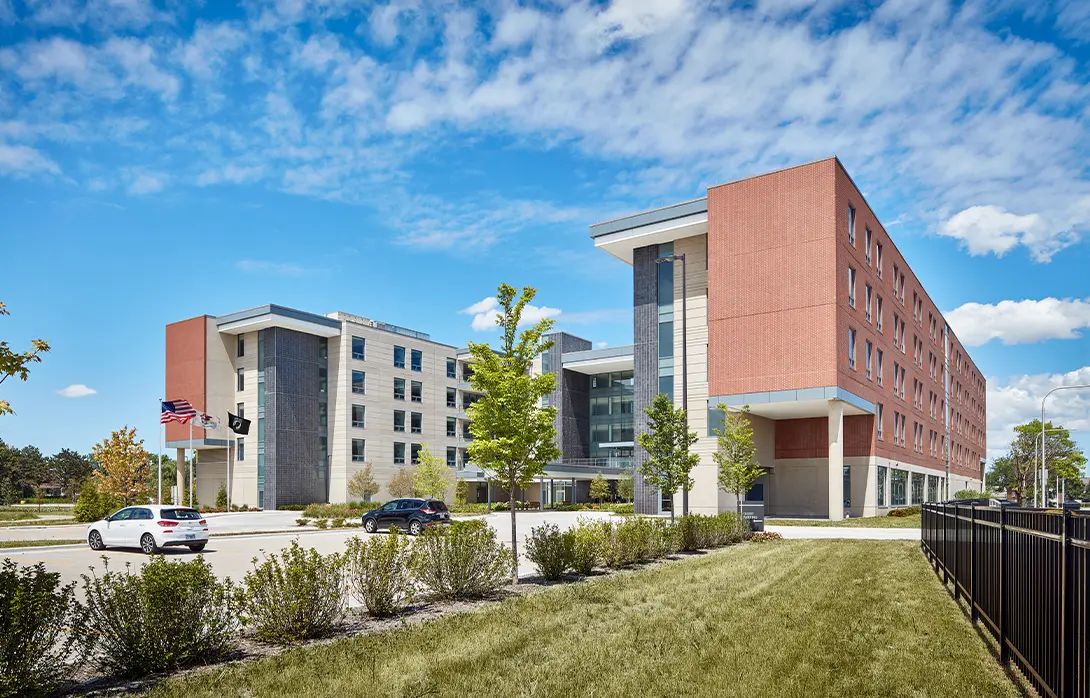
Architecturally, the design balances civic presence with residential warmth. The home acknowledges its role as a public institution while ensuring that daily life for residents feels less like an institution and more like a home. Every detail, from the organization of households to the scale of dining and community spaces, supports dignity, choice, and connection.
As both a replacement for aging facilities and a model for the future, the Illinois Veterans’ Home demonstrates how thoughtful design can improve quality of life for those who served. By introducing Community Living Center principles at a scale never before attempted in Illinois, the project reimagines veteran housing as a place of community, resilience, and healing.