Revitalizing Fairmont Campus for a New Era of Care
When WVU Medicine acquired the aging Fairmont hospital campus, the question wasn’t simply how to fix a failing facility—it was how to reimagine its role in the community’s health system. Decades of deferred maintenance had left the site outdated and inefficient, unable to support modern standards of patient care or operational performance. Yet beneath the wear, WVU saw potential: a location embedded in the region’s identity, one that could again serve as a cornerstone for accessible, high-quality healthcare in north-central West Virginia.
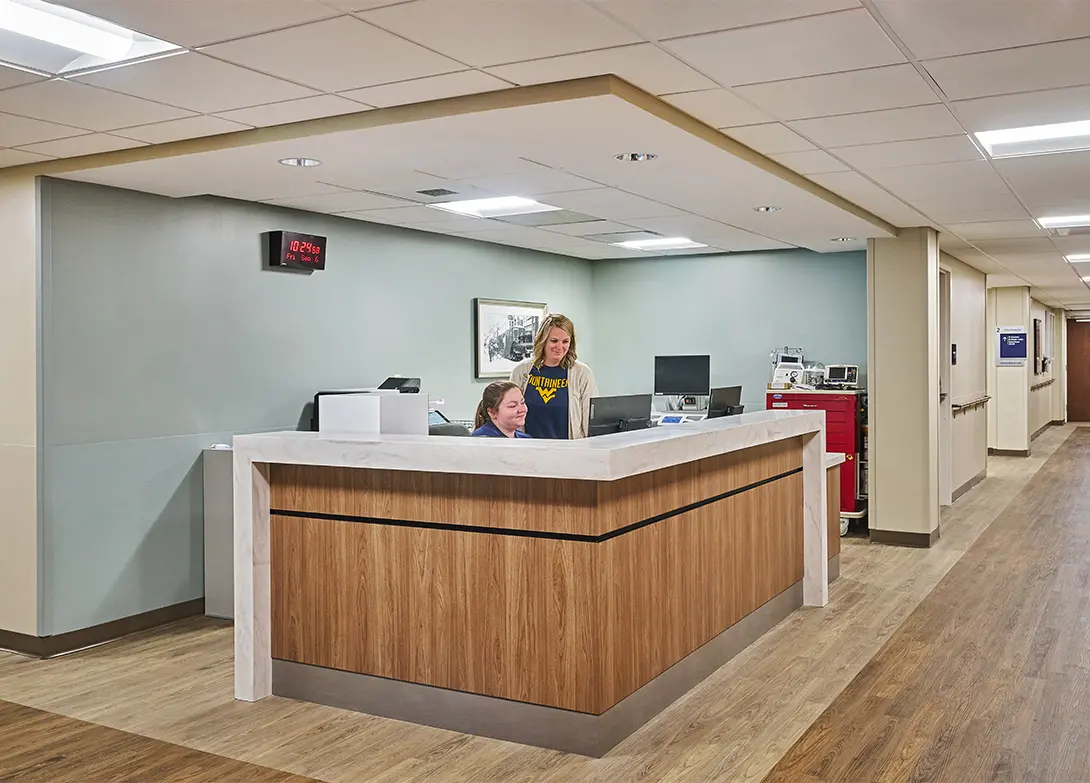
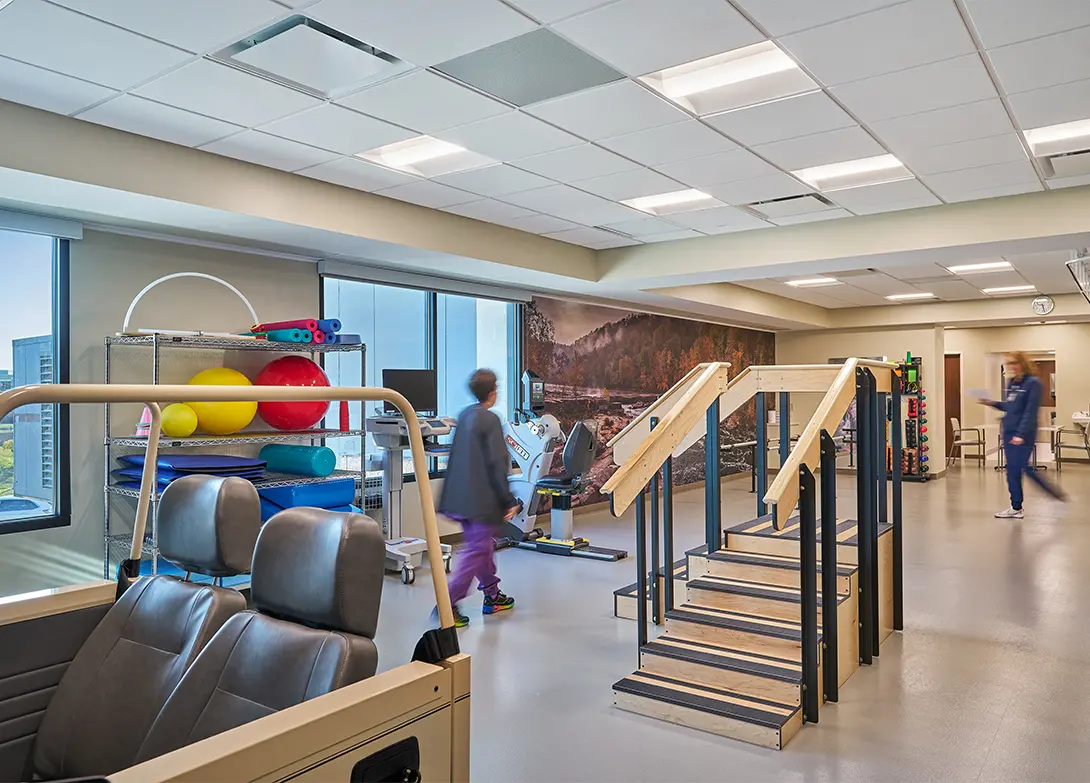
HED was engaged to help define that future. Acting as design architect, structural engineer, and interior designer, the company led a comprehensive analysis to evaluate every path forward, from incremental revitalization to full replacement. This was not a theoretical exercise but a strategic assessment of value, longevity, and right-sizing—an exploration of how the facility could best serve patients, staff, and the broader WVU Medicine network for decades to come.
The process moved quickly. Within an accelerated schedule, HED examined the existing campus systems, operational workflows, and spatial relationships to uncover both limitations and opportunities. A rigorous MEP analysis evaluated mechanical and electrical capacity under a range of modernization scenarios, identifying where existing infrastructure could be leveraged and where new investment would yield better long-term performance. This analytical groundwork allowed WVU Medicine to weigh capital decisions with clarity and confidence, aligning design intent with cost and care priorities.
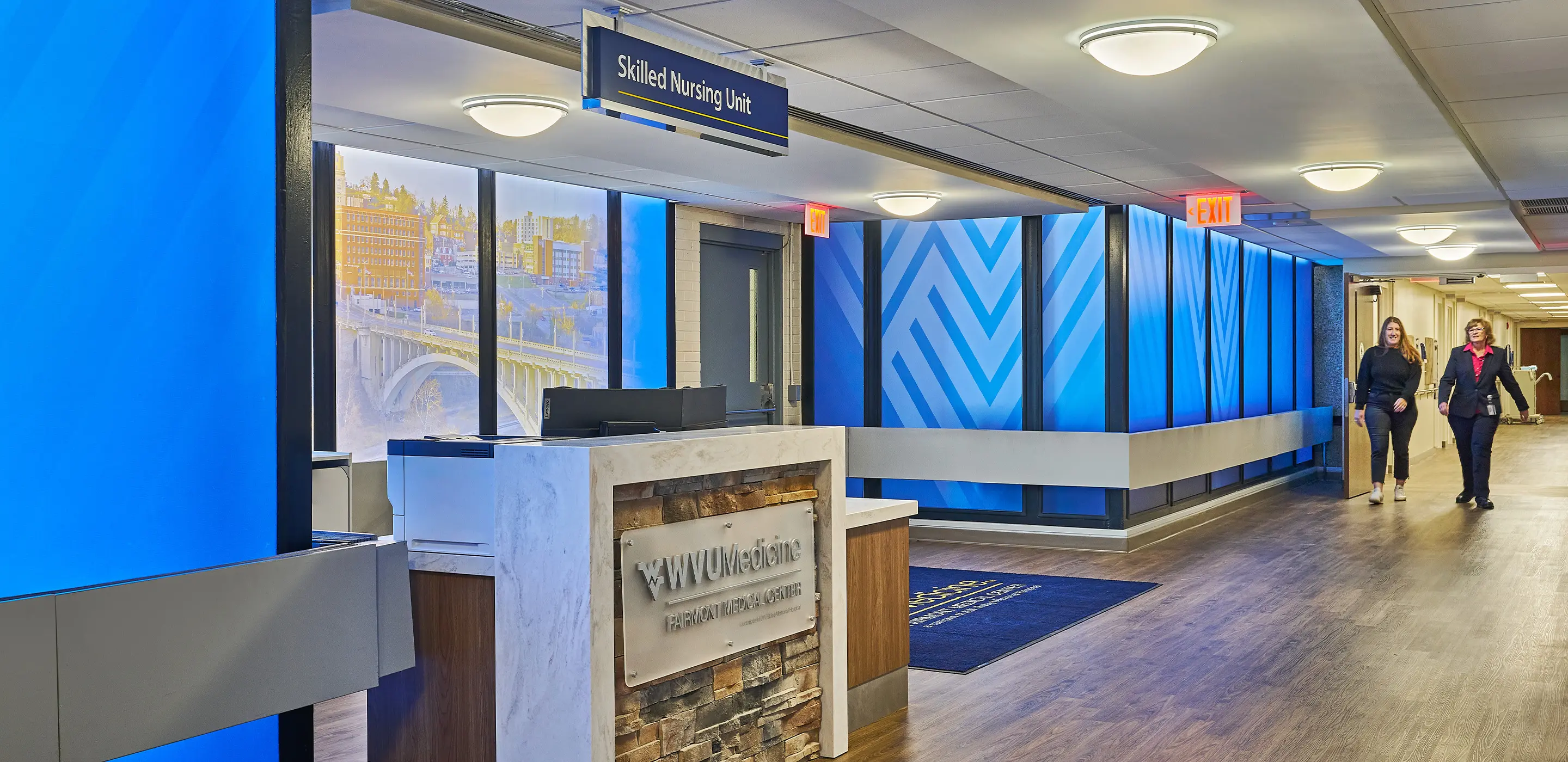
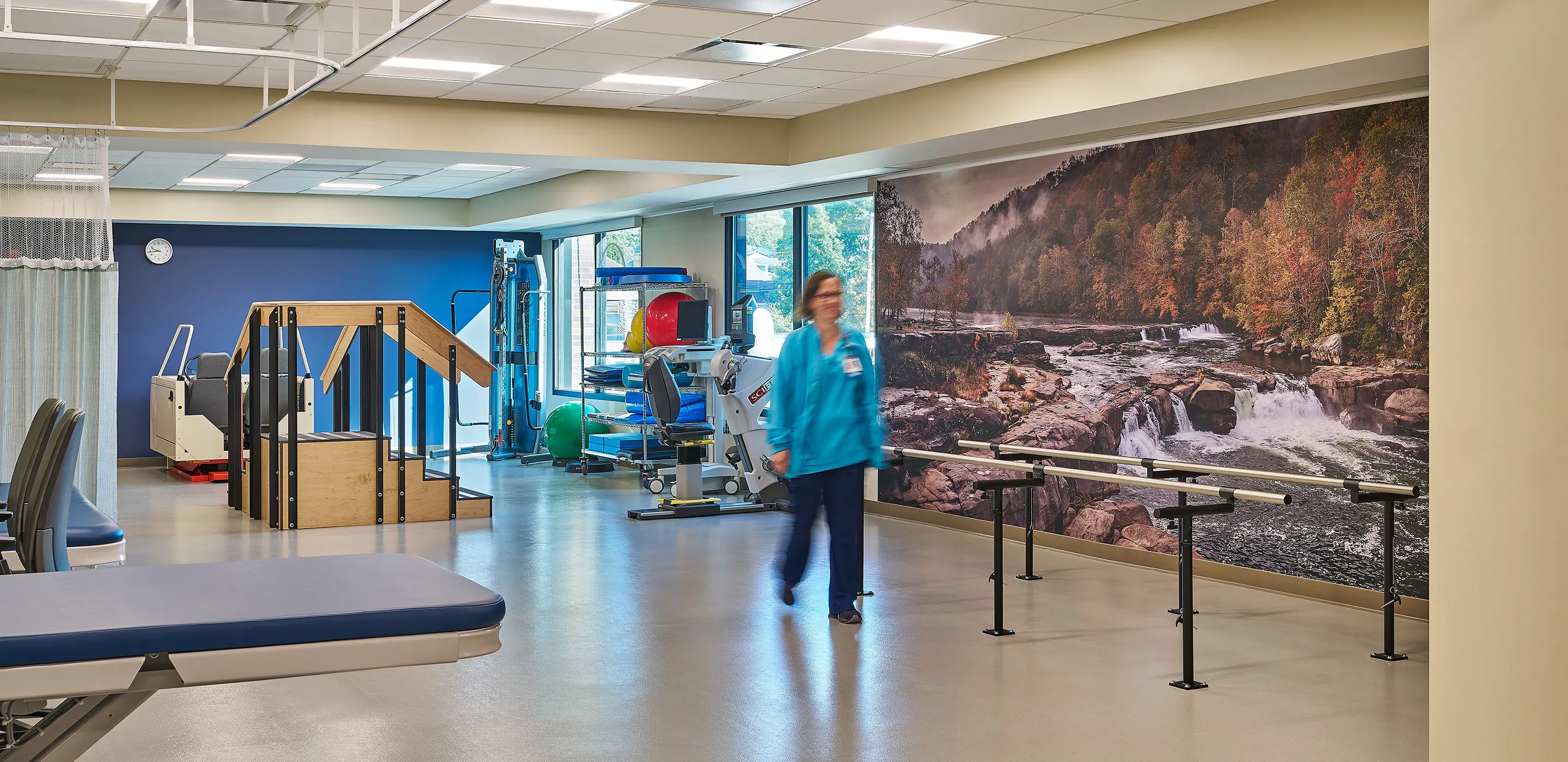
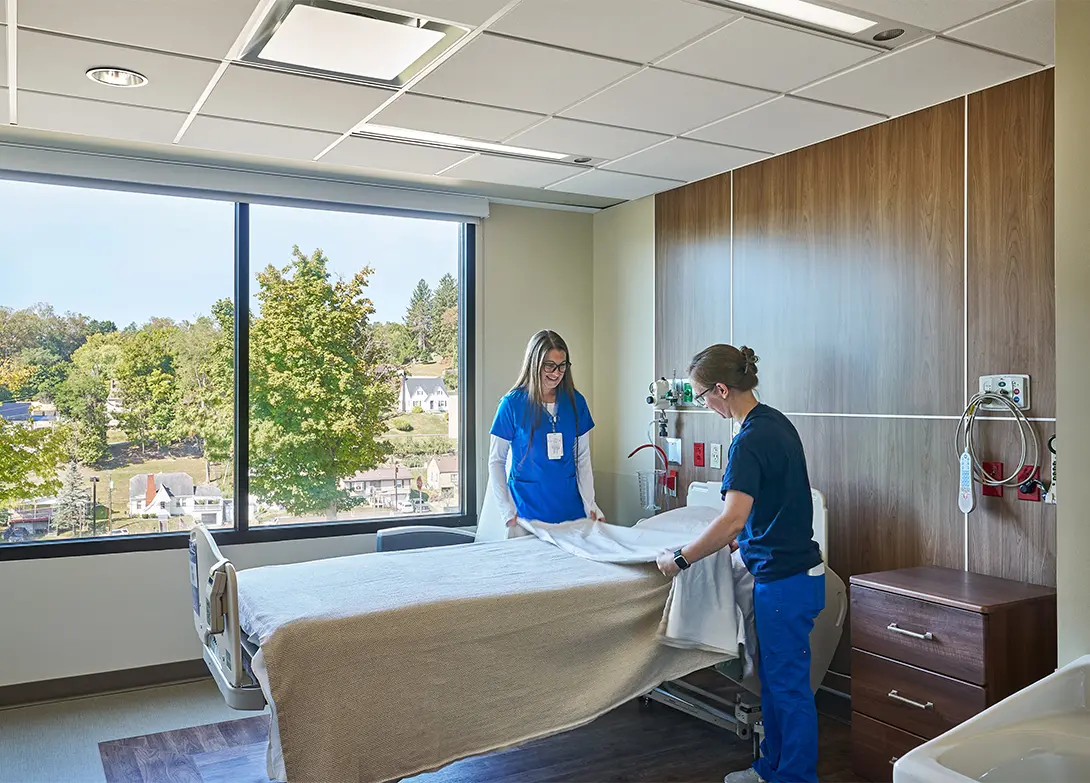
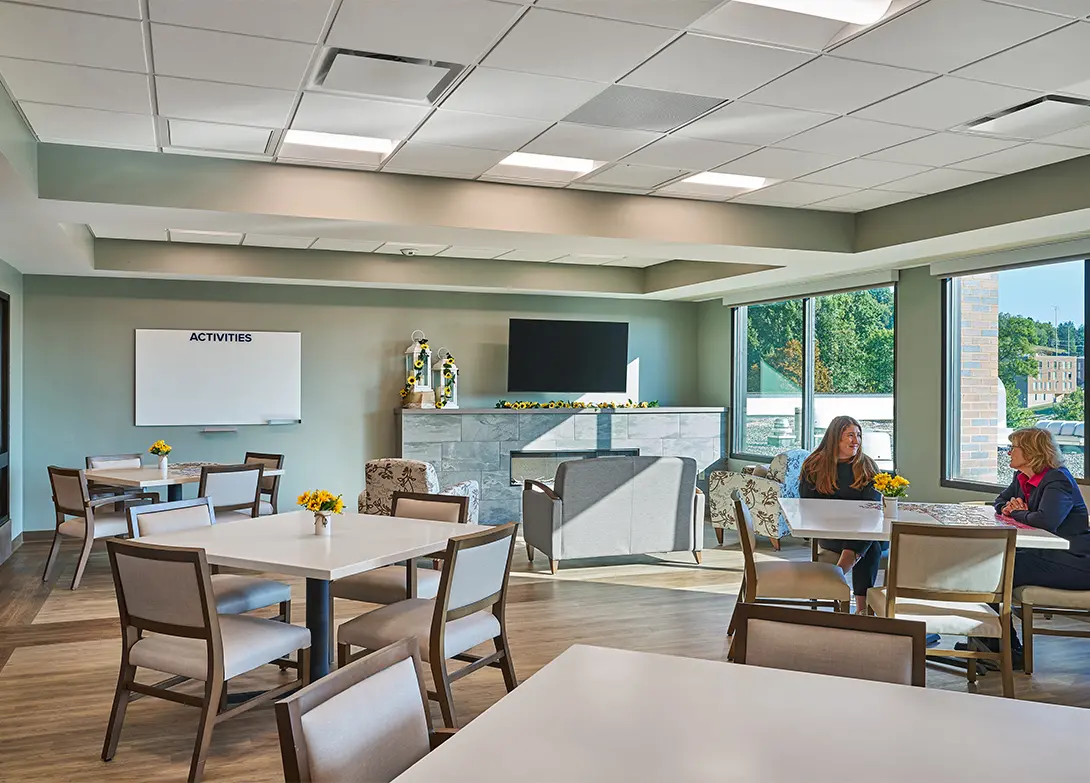
The preferred path forward called for the renovation and strategic redevelopment of the campus, transforming it into a right-sized facility with 42 inpatient beds and two new clinical units. The revitalized hospital will extend the reach of WVU Medicine’s integrated care model, offering a modern environment for healing that reflects the company’s commitment to community health and operational excellence.
For HED, the Fairmont project demonstrates how integrated design thinking can unlock smarter outcomes even in legacy settings. By uniting disciplines early—architecture, engineering, and interiors—the team created a cohesive framework that balanced immediacy with foresight. Each decision, from systems renewal to spatial reconfiguration, was approached not as a patch but as part of a long-term continuum of care.
Through collaboration and clear-eyed analysis, the Fairmont campus redevelopment transforms a once-dated hospital into a resilient, service-oriented hub—one that honors its past while advancing WVU Medicine’s mission to provide exceptional, regionally connected care across West Virginia.