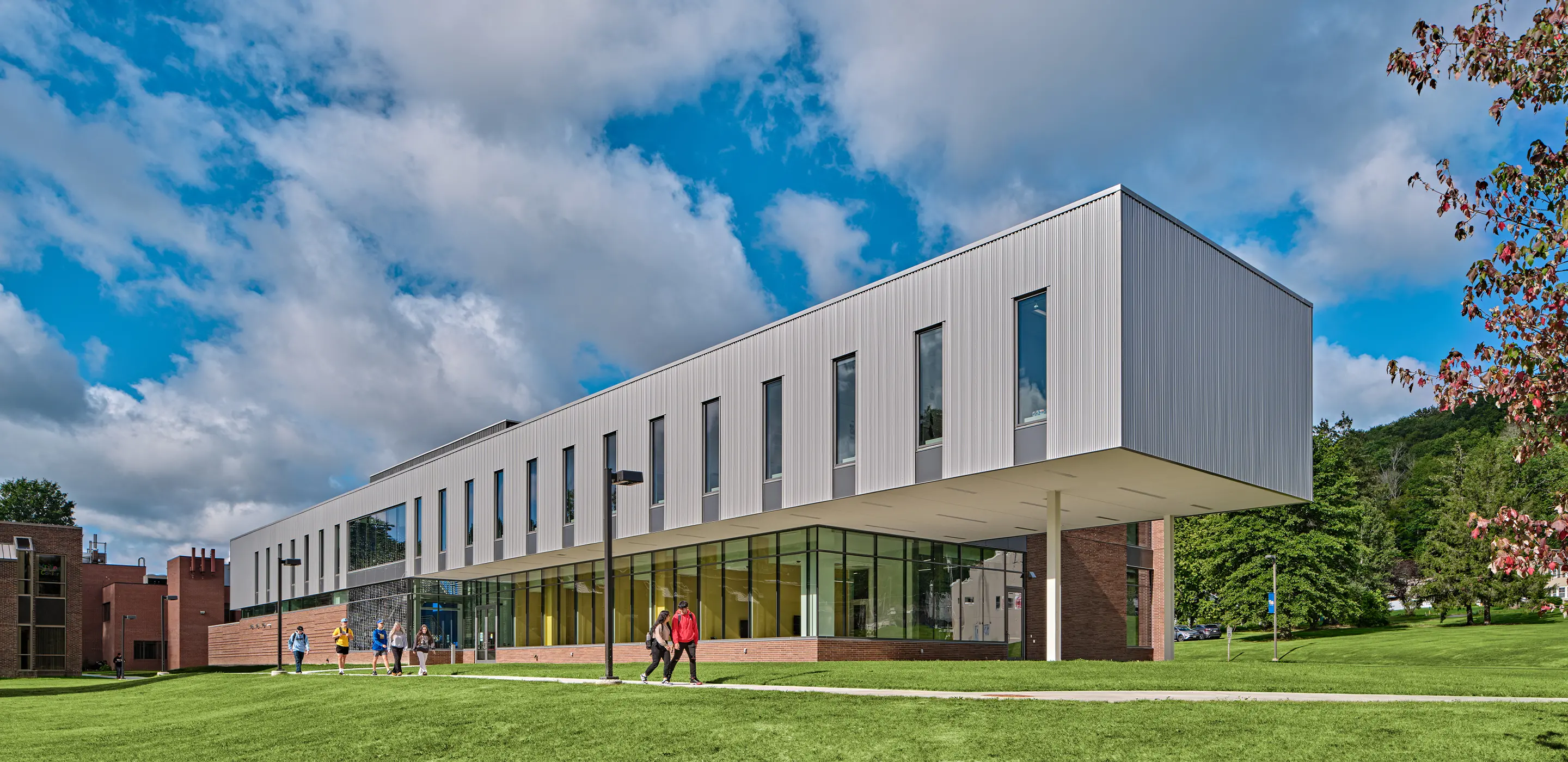
George B. Duke Engineering & Information Technologies Building
Forward-looking and student-centered
To support two new STEM programs and strengthen existing ones, the University of Pittsburgh at Bradford partnered with HED, in collaboration with LGA, to design the new George B. Duke Engineering & Information Technologies Building. The facility brings together mechanical engineering technology, energy engineering technology, and computer information systems into one collaborative, flexible hub. With enrollment in these programs steadily growing, the university saw the building as both an academic investment and a regional asset, designed to prepare students for careers in applied technology and innovation.
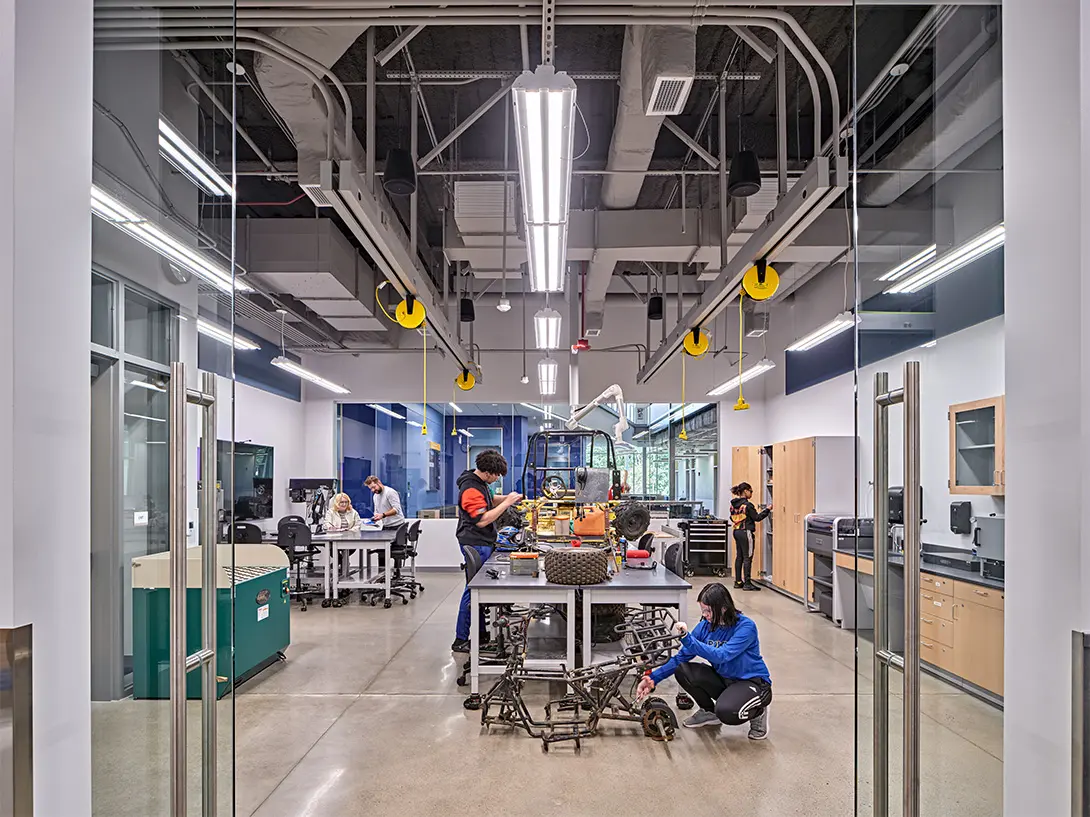
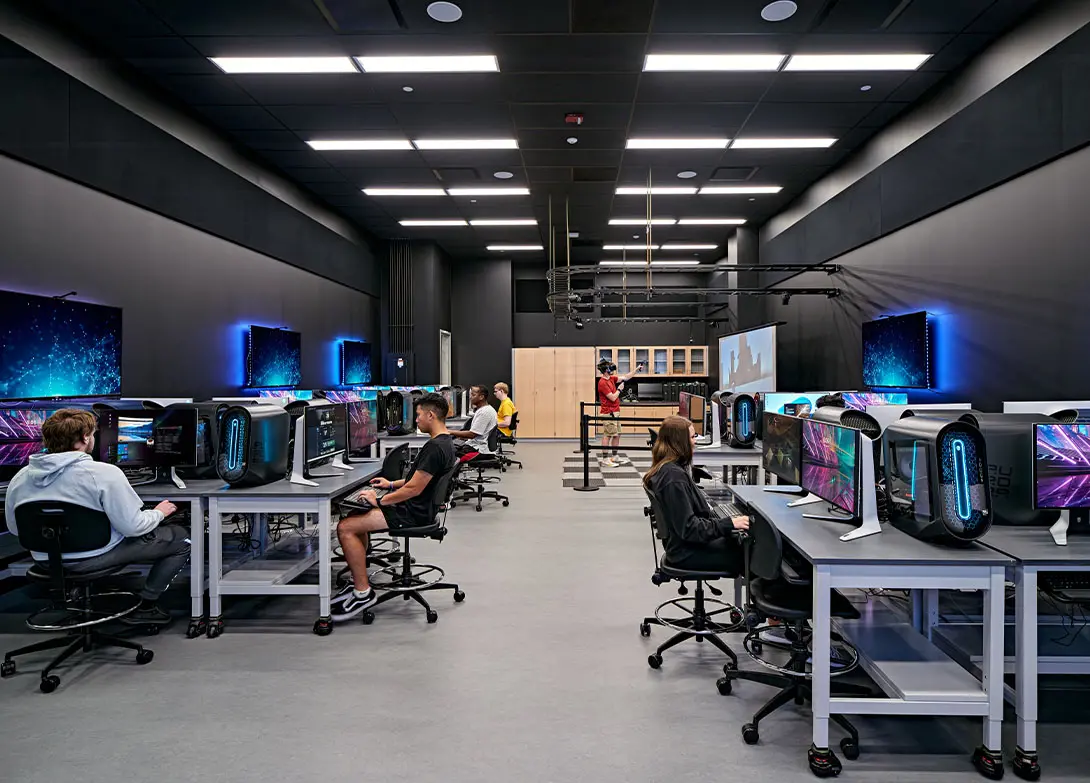
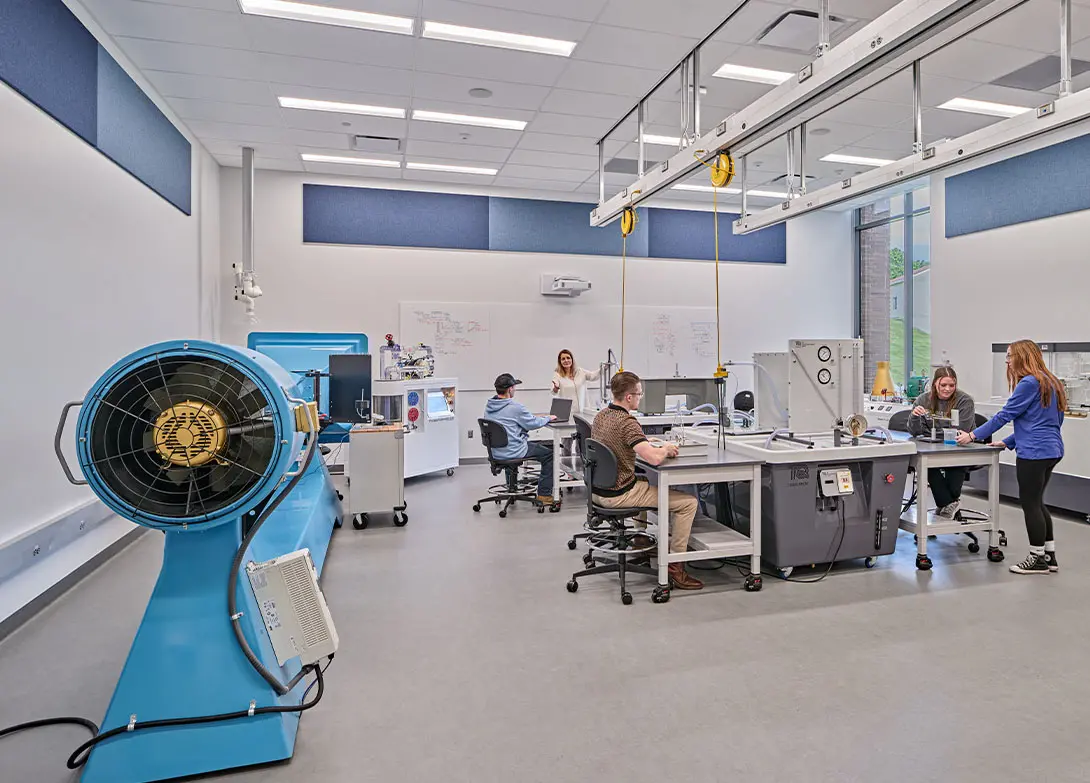
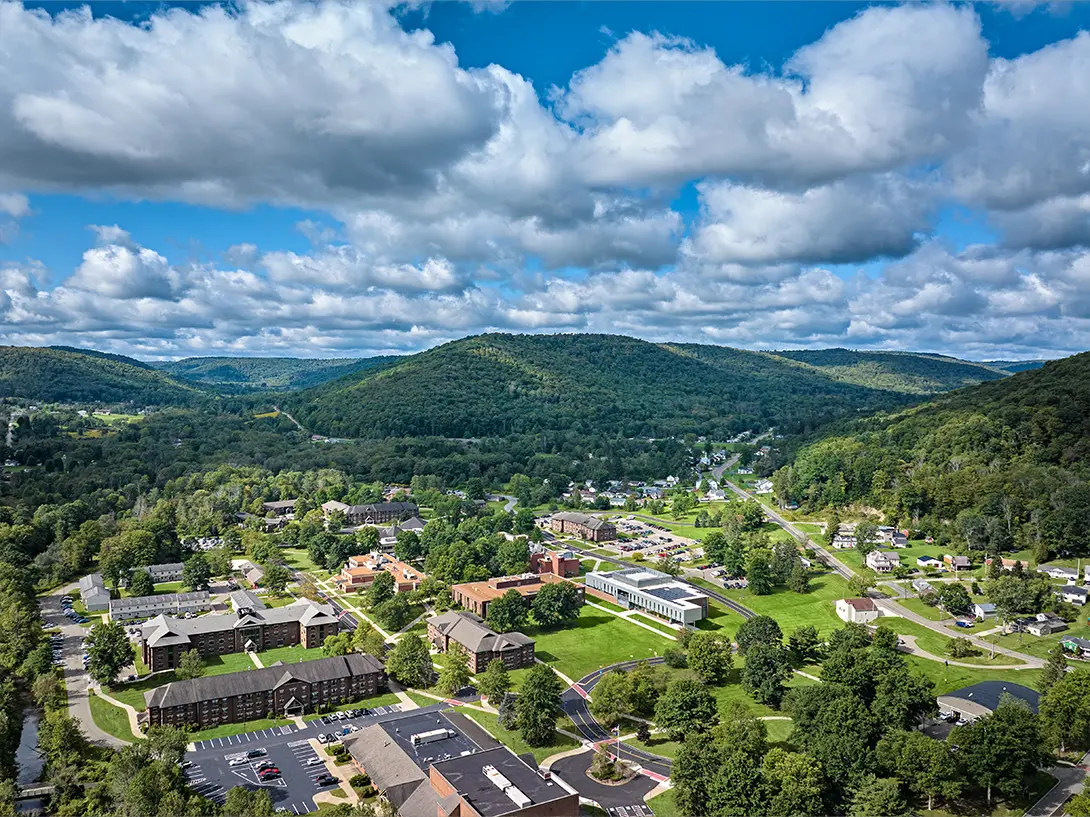
The Duke Building is designed as the centerpiece of technology education on campus. Within its walls, students gain hands-on experience in labs that replicate real-world engineering environments.
Mechanical engineering technology students can design and prototype industrial processes, then test them in labs for fluid dynamics, thermodynamics, strength of materials, and circuits.
Energy engineering technology students learn through applied study of geology, combustion, automation and sensors, biofuels, wood chemistry, and renewable energy sources such as wind and solar. Relocated computer information systems programs further expand opportunities, while academic support spaces provide room for growth.
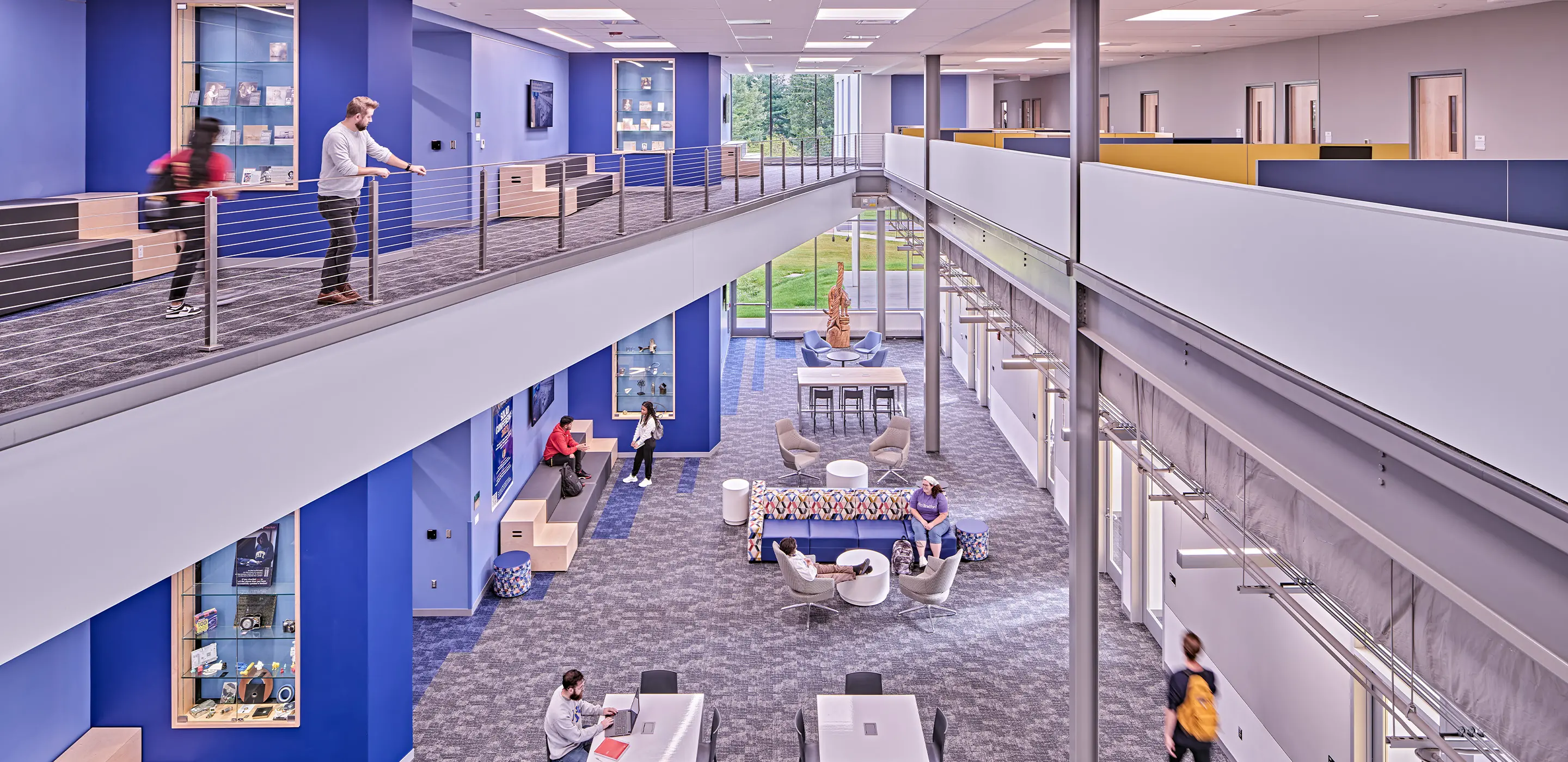
Specialized facilities play a central role in the learning experience. A strength and materials lab, a fluid dynamics lab with a small hydro tunnel, a circuit lab equipped for soldering and testing, and a measurements lab for energy and automation form the foundation of student work. Complementing these are computer labs, a fully equipped machine shop for first-year engineering students, and a shared maker space with 3D printers for rapid prototyping. The facility also houses the campus data center, faculty and staff offices, and active classrooms designed for large-group instruction.
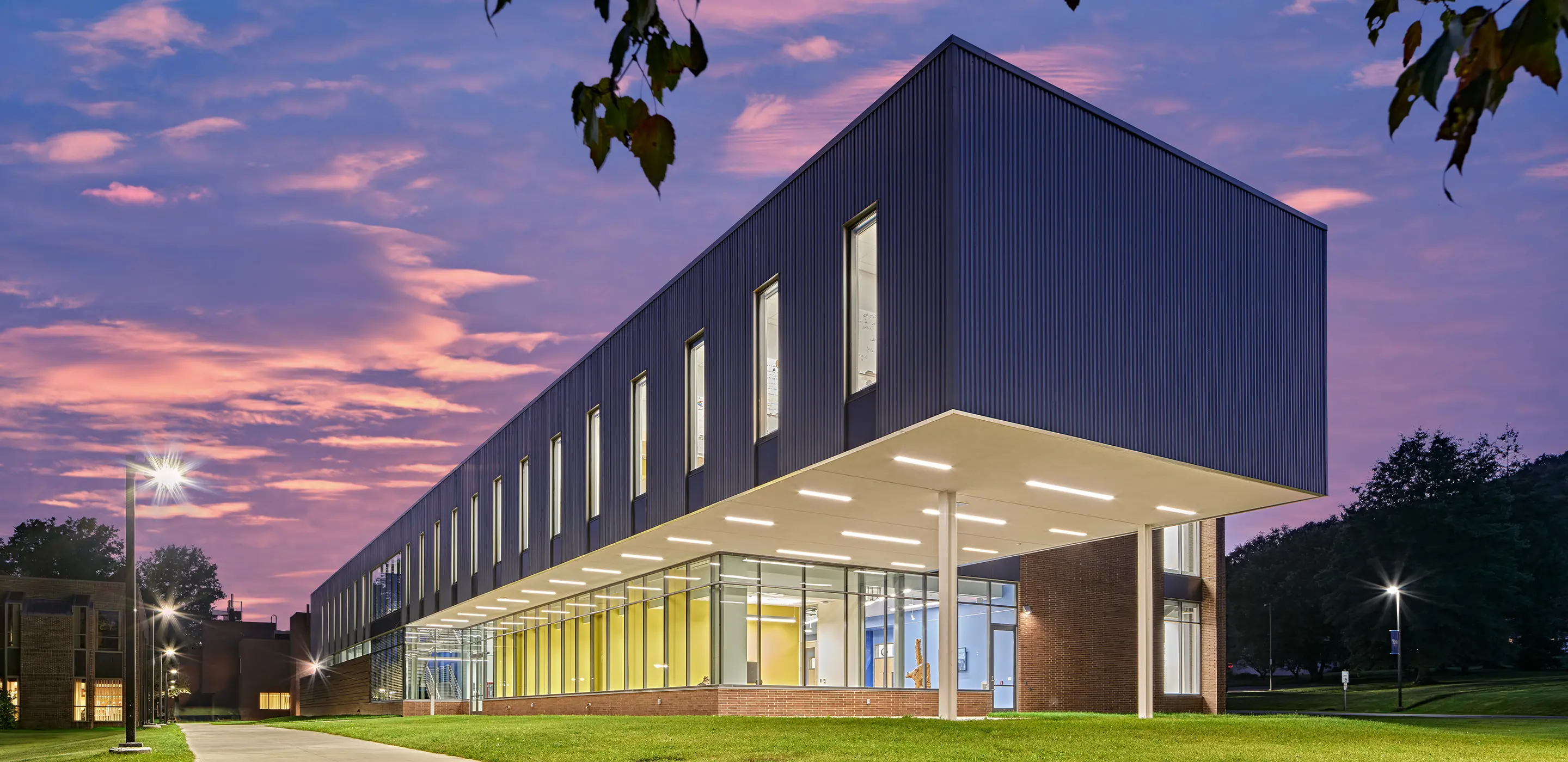
The design strategy aligns all these functions around a two-story collaborative center, creating visibility, accessibility, and opportunities for interaction. The building’s siting forms a new campus common that supports a more social, team-based learning model. A cantilevered, metal-clad faculty office bar appears to float above a glass-enclosed collaborative first floor, establishing a bold new architectural presence and defining the north edge of the quad.
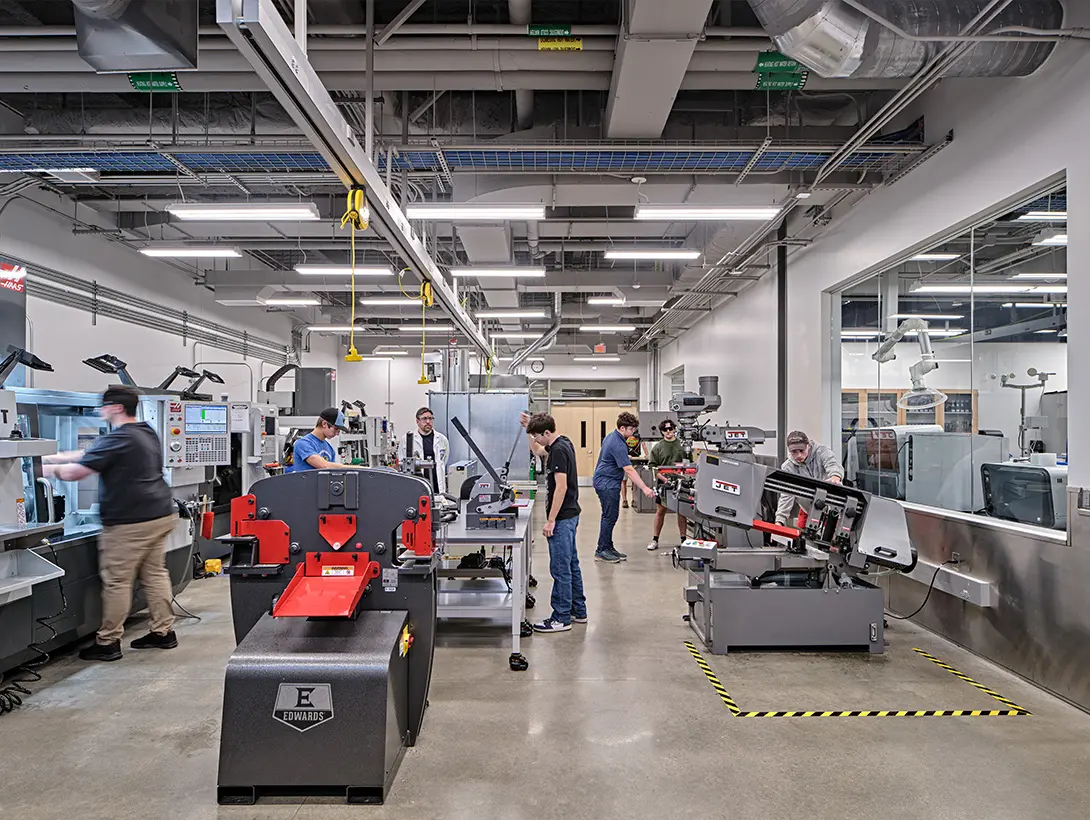
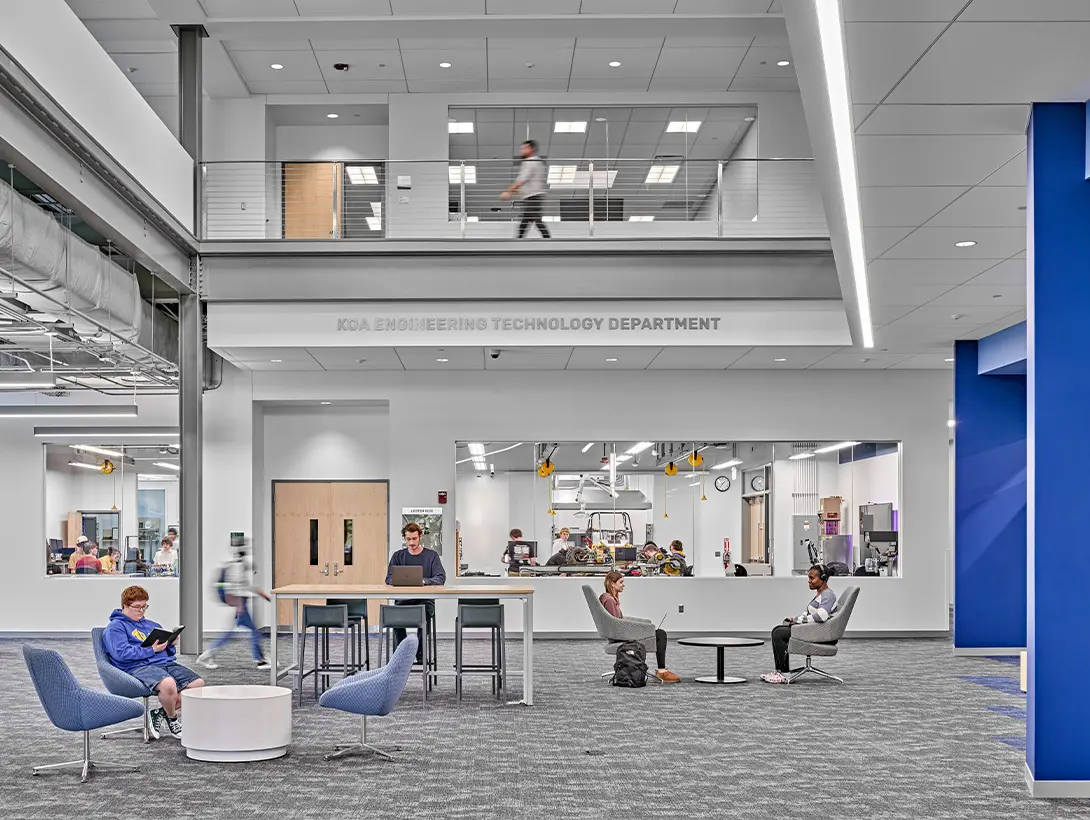
A modular lab footprint enhances flexibility across disciplines, while exposed ceilings in the centralized maker hub put building systems on display, turning infrastructure into part of the teaching toolset. Strategic glass placement reduces energy usage while preserving daylight and views, underscoring the university’s commitment to sustainability.
The new facility empowers discovery and innovation while preparing graduates for workforce-ready careers. By combining collaborative learning spaces with advanced labs and tools, the Duke Building positions Pitt-Bradford as a regional leader in applied STEM education, giving students the practical skills and knowledge to thrive in the industries shaping the future.
“Without this new building to house our special equipment and labs, we wouldn’t be able to offer our students these new engineering technology programs in which graduates are in demand, and without these new majors, our region’s need for a locally trained and skilled workforce would continue to go unmet in key areas.”