Redefining Affordable Housing Through Passive House Design in Chicago
The Conservatory Apartments represent a breakthrough in both sustainable and affordable housing.
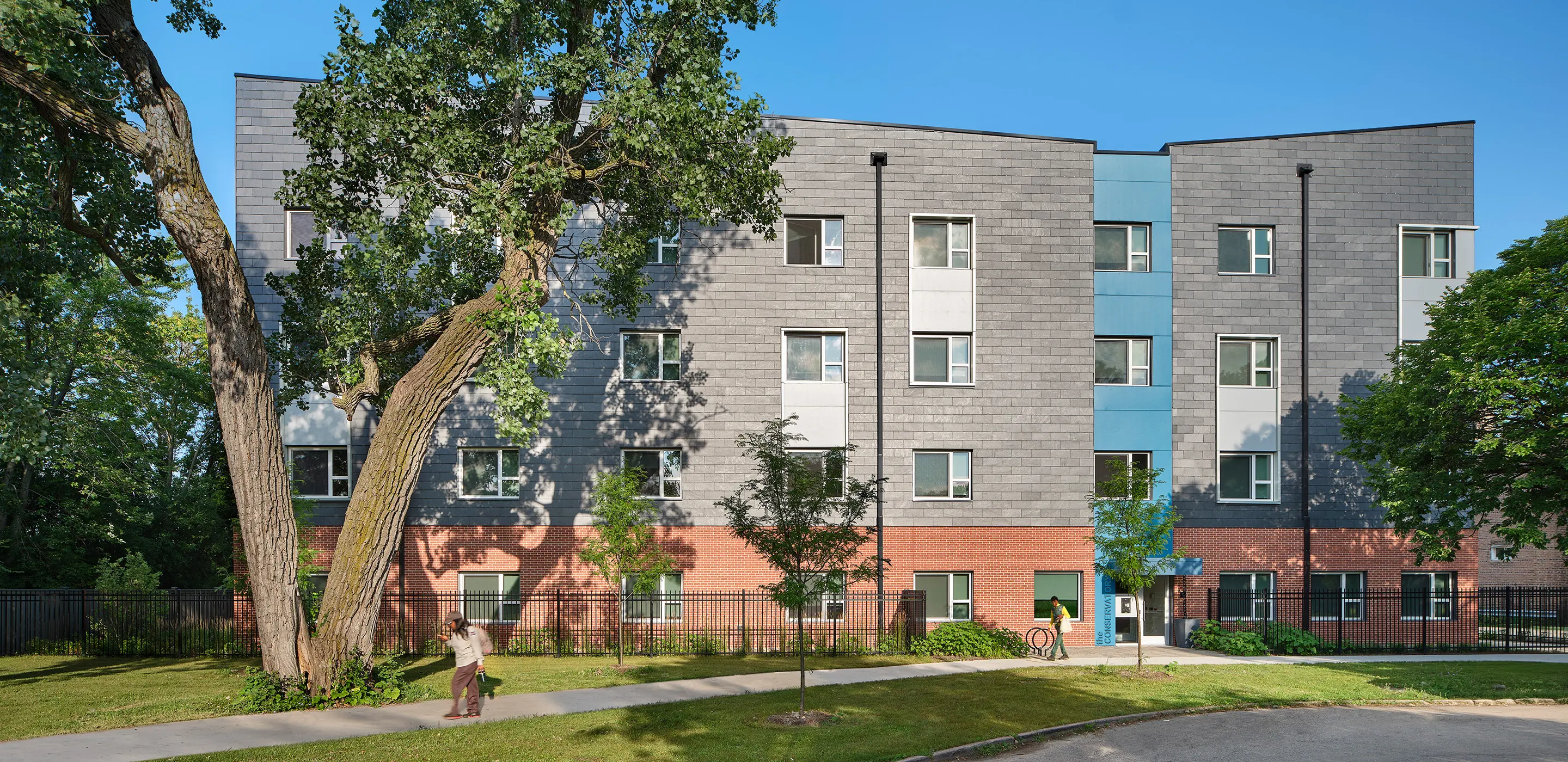
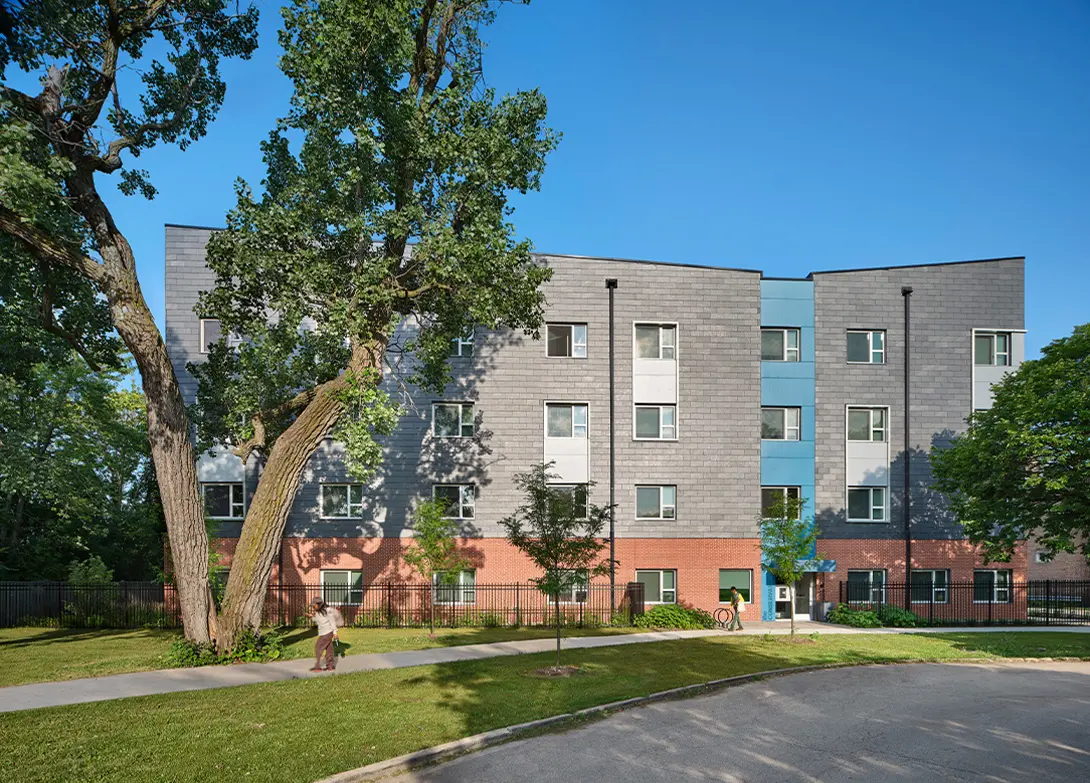
Located just north of the historic Garfield Park Conservatory in Chicago, the development provides 43 affordable units while setting a new benchmark for environmentally conscious design.

Through an integrated design approach, HED and its collaborators created a building that not only addresses a critical housing need but also demonstrates the feasibility of achieving Passive House US (PHIUS) Certification at scale within Chicago’s challenging cool-humid climate (ASHRAE zone 5a). As the first large-scale, multi-family Passive House Certified project in the city, Conservatory Apartments is proof that rigorous sustainability standards and affordability can coexist, offering a replicable model for future developments across the Midwest.
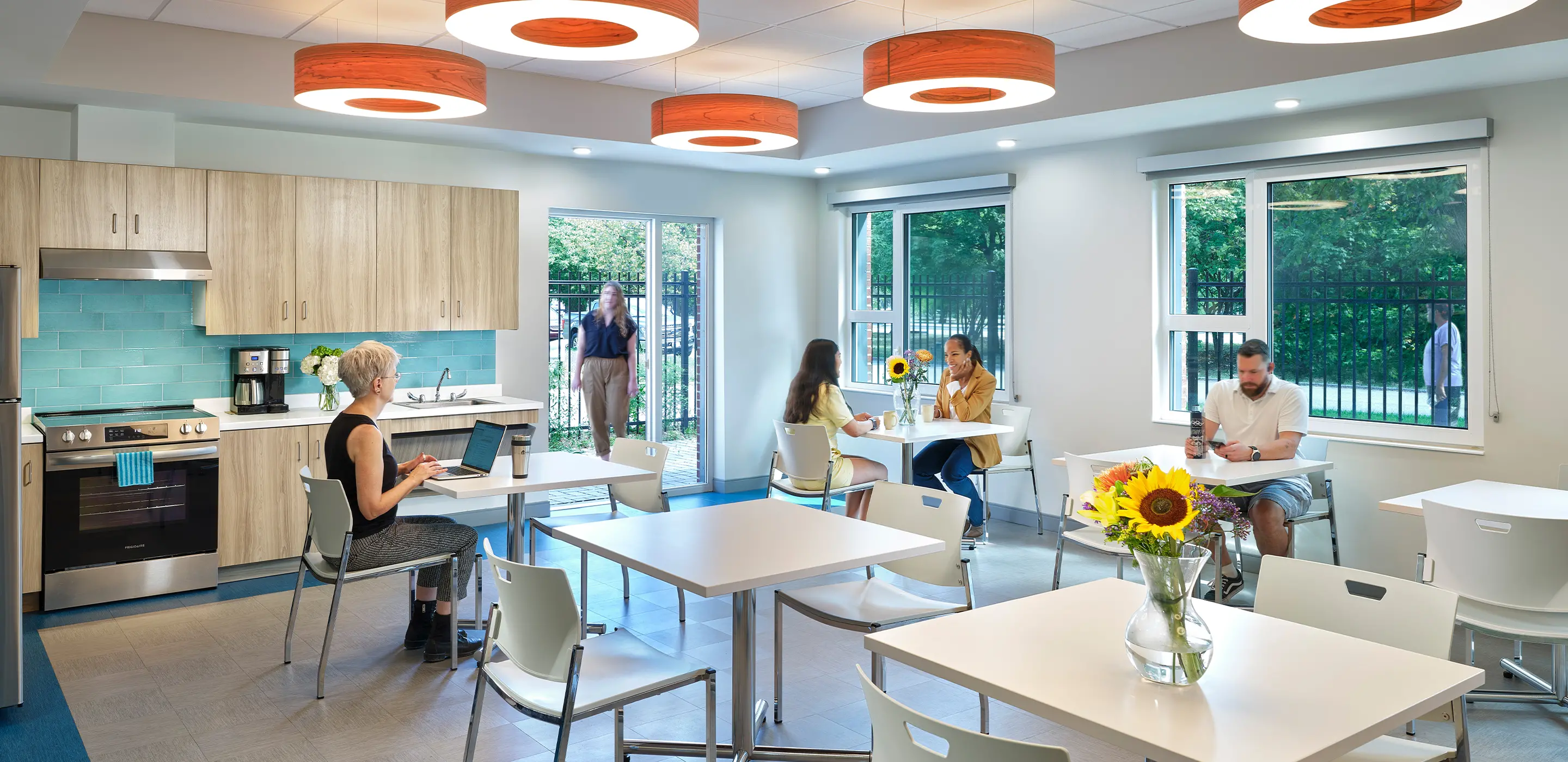
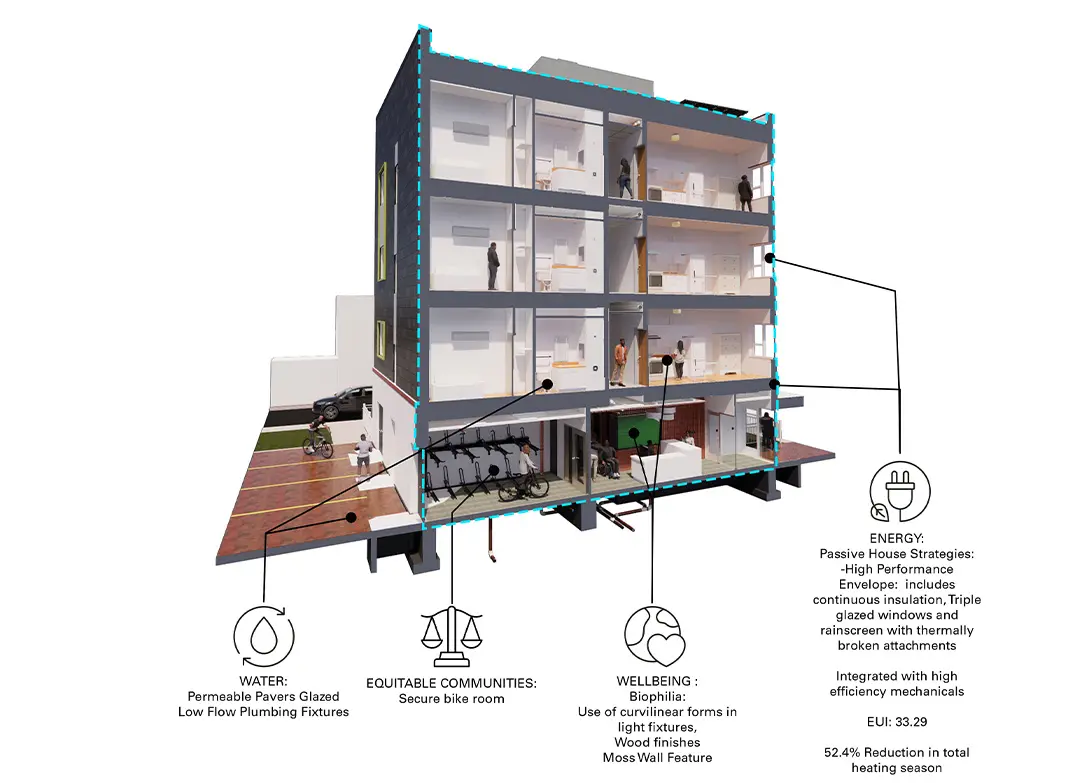
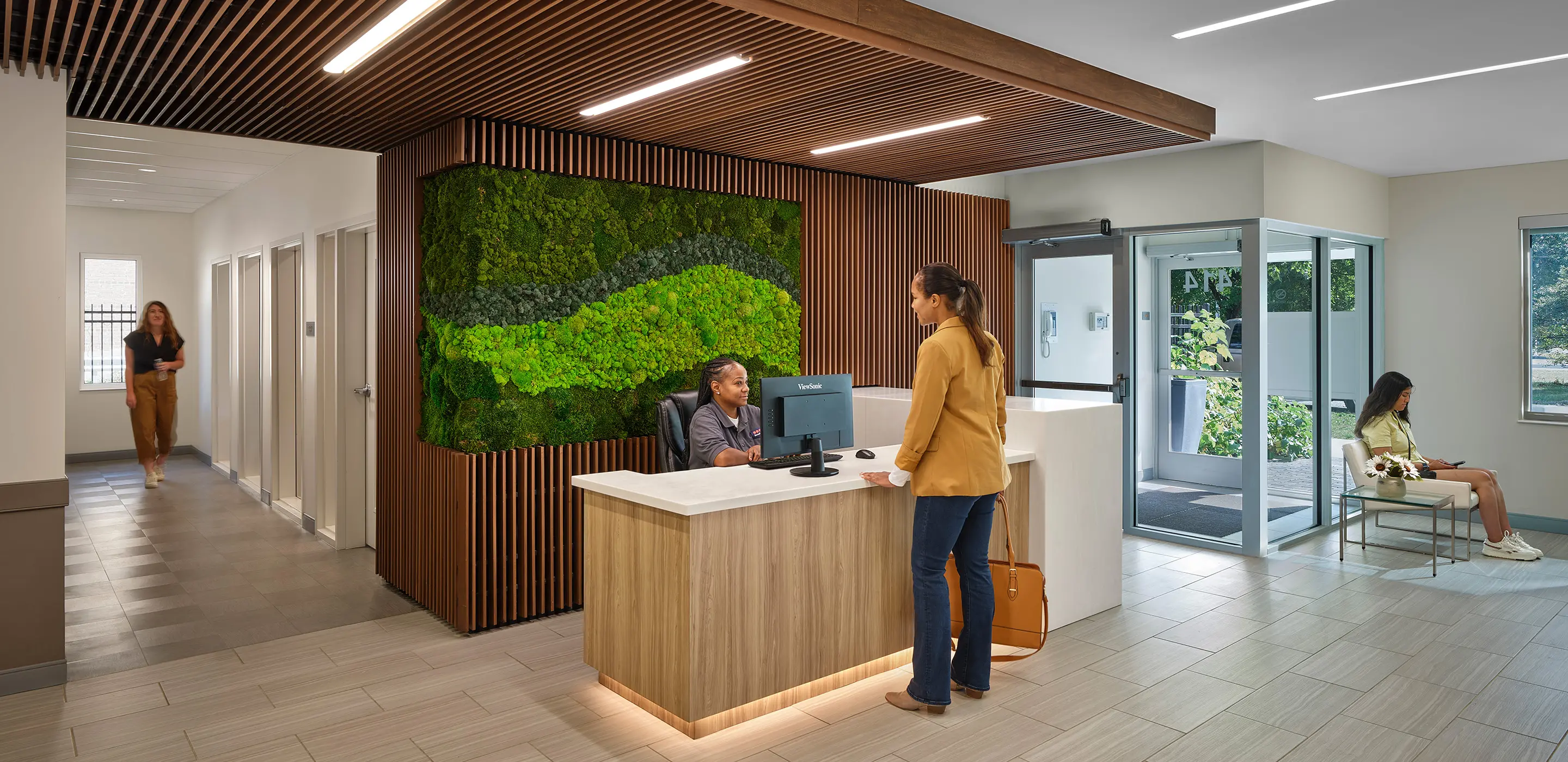
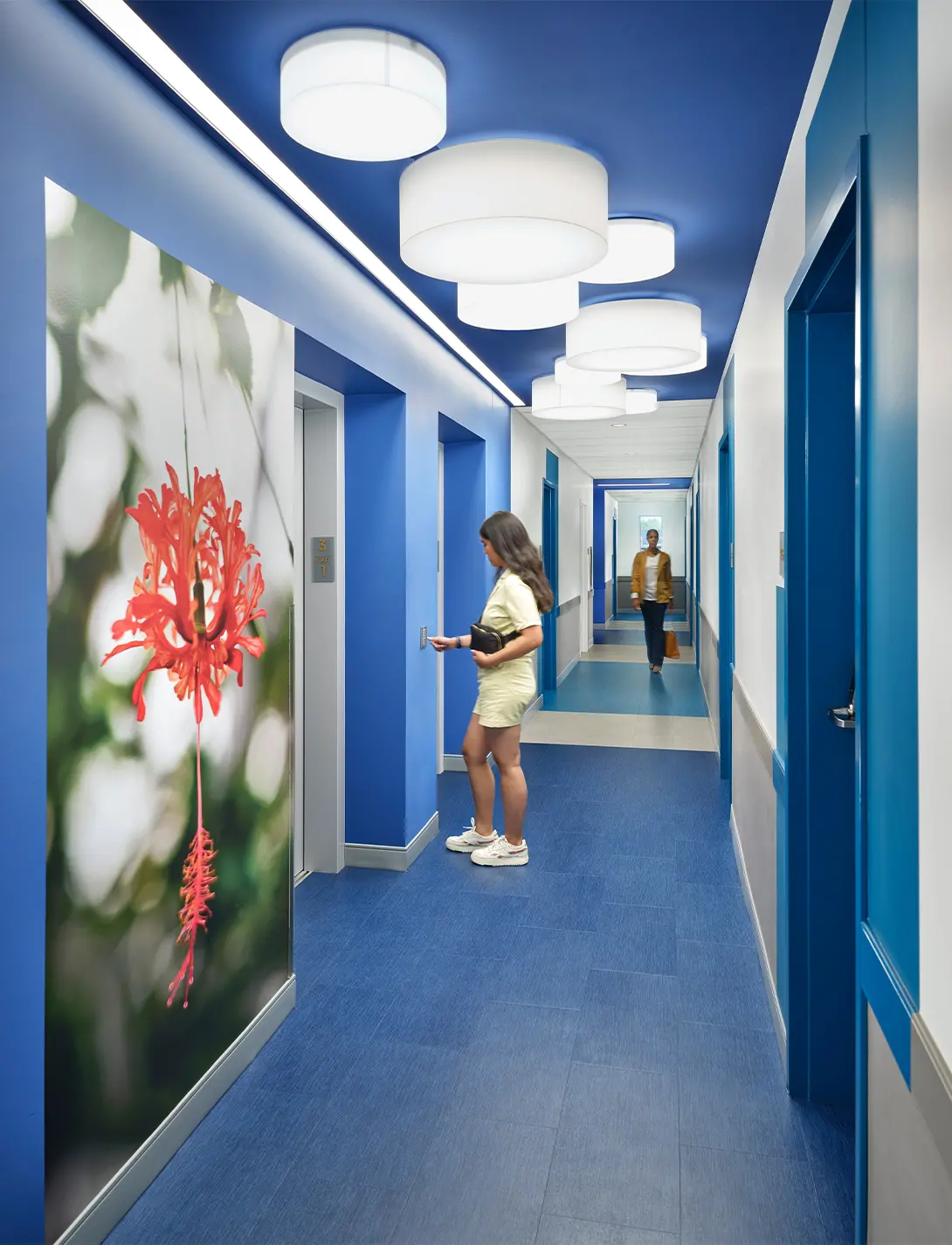
Biophilic design principles shaped the project, reinforcing its connection to the nearby conservatory and park. Natural wood ceiling treatments, patterned glass inspired by natural forms, and a low-maintenance moss wall in the lobby bring warmth and texture indoors while evoking the richness of the surrounding landscape. Ample daylighting in the corridors further strengthens the bond between interior spaces and the outdoors. This design ethos blurs the line between nature and city living, creating a healthier, more restorative environment for residents.
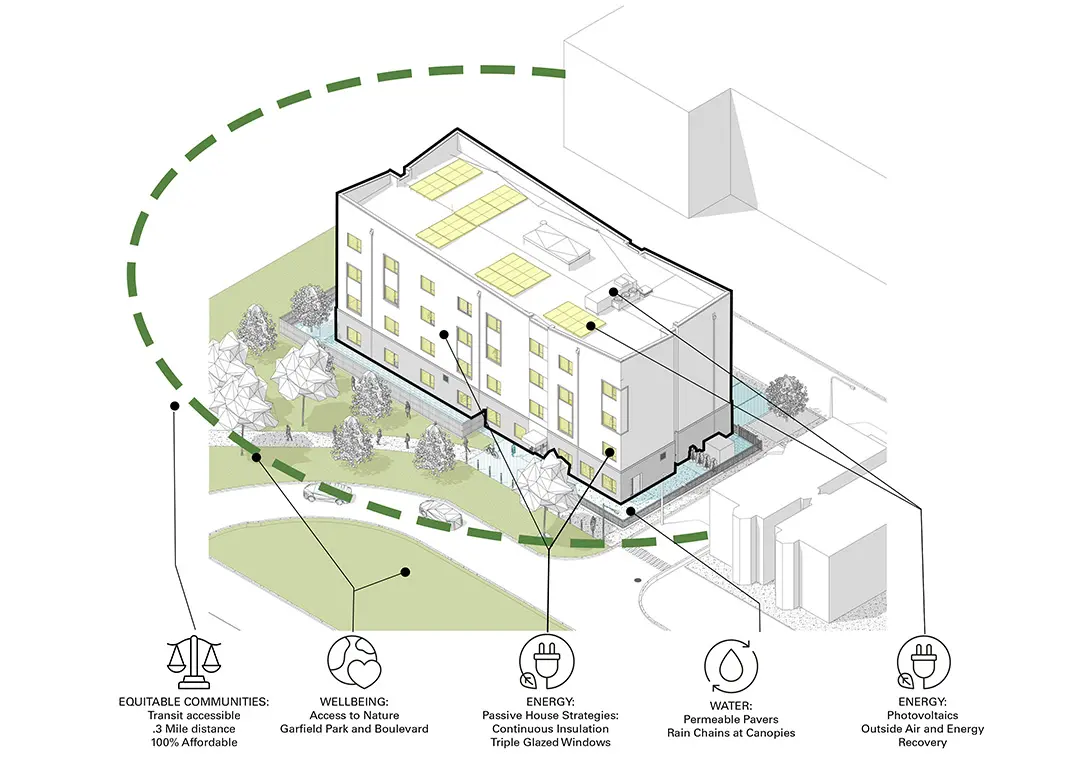
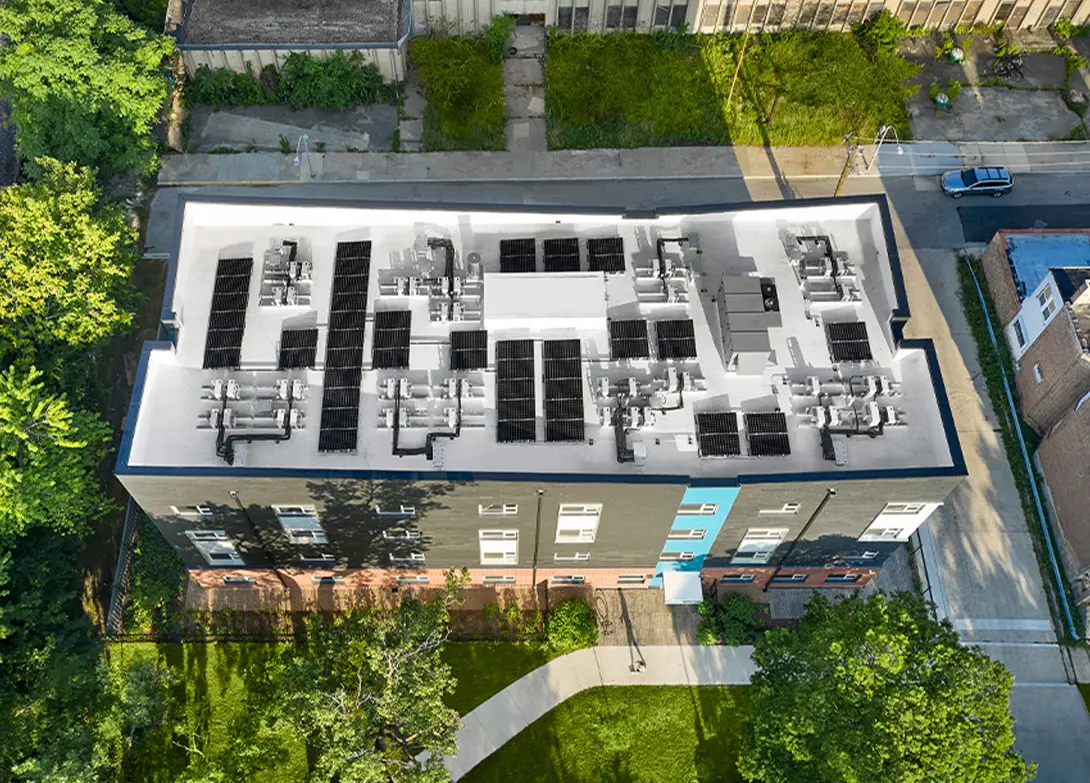
Performance-driven design underpins the project’s success. The building envelope achieves exceptional insulation values, with walls at R-47, roofs at R-60, and foundation and slab on grade at R-20. This high-performance envelope, paired with airtight construction and energy-efficient systems, dramatically reduces heating and cooling demands. The building also accommodates an 18.1 kWh photovoltaic array, helping offset energy use, while compliance with ComEd energy efficiency guidelines ensures the inclusion of Energy Star appliances and LED lighting throughout. Water-saving plumbing fixtures reduce indoor consumption by 25%, extending the project’s sustainability beyond energy to resource stewardship.

The project’s goals also extended beyond Passive House standards. Conservatory Apartments was selected to participate in the Living Building Challenge (LBC) Pilot Program for affordable housing, reflecting its ambition to push the boundaries of what environmentally responsible design can achieve in underserved communities.
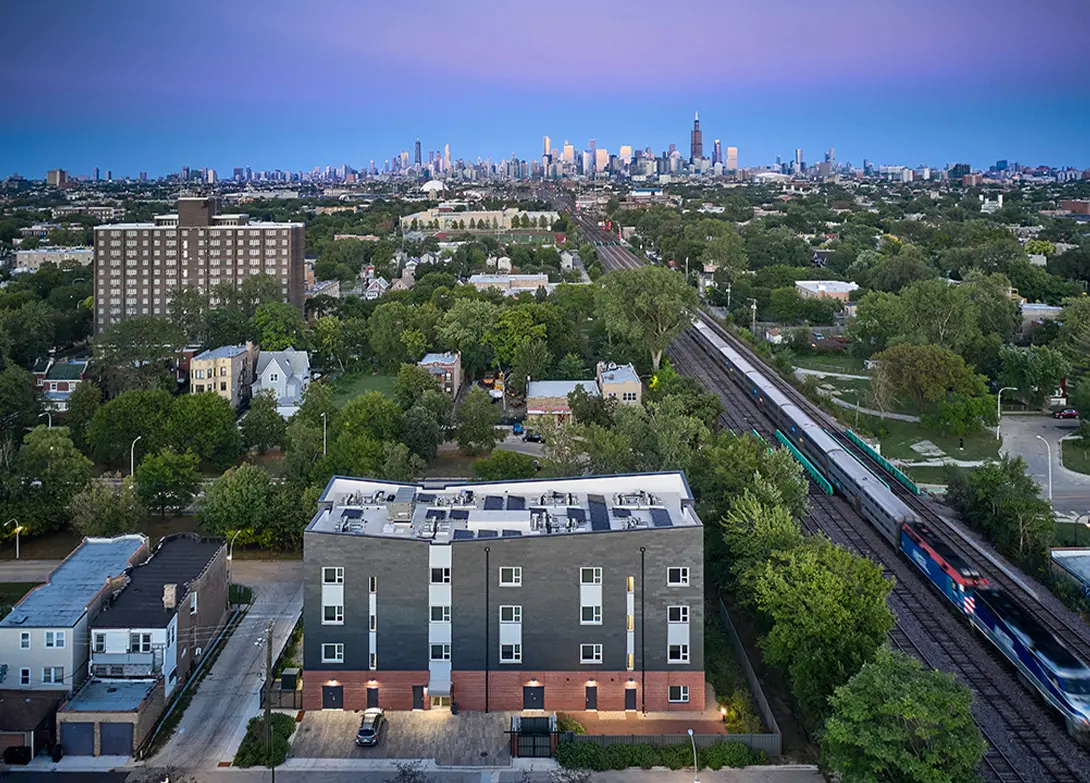
Equally important is its urban context. Situated within walking distance of public transit—the Conservatory stop on the Green Line—the project reinforces Chicago’s goals for transit-oriented, walkable neighborhoods. By combining location, affordability, and high performance, the development directly supports residents’ access to opportunity while contributing to the revitalization of the neighborhood.
For Chicago, the Conservatory Apartments stand as both a milestone and a promise: a milestone as the city’s first PHIUS-certified affordable housing project, and a promise that sustainable design can be attainable, equitable, and deeply tied to community identity.