Youth Sports Infrastructure
February 4, 2026
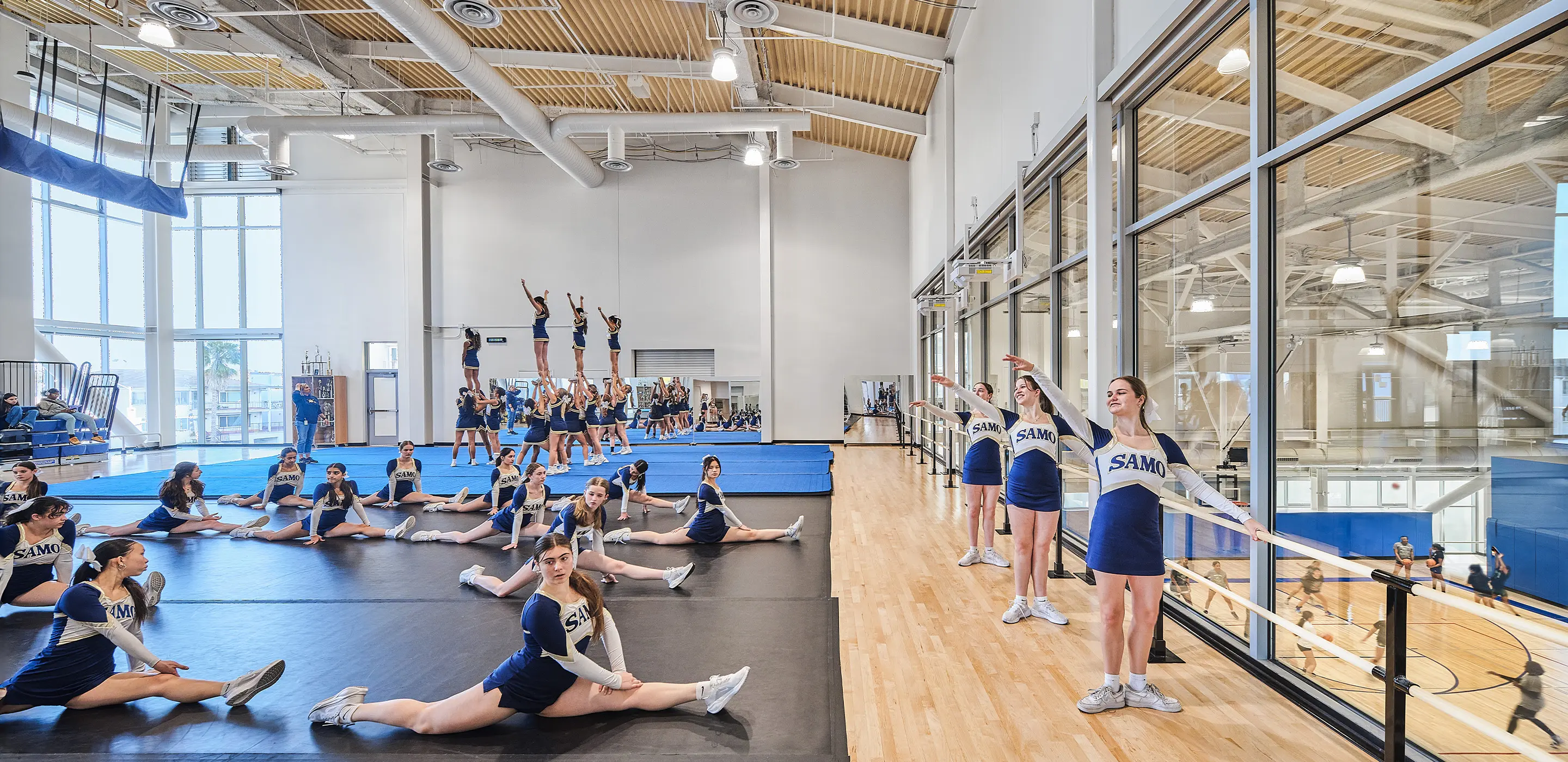
Across the country, from school districts and park systems to private training academies, the rise in girls’ sports participation is putting real pressure on outdated or undersized athletic infrastructure. Fields are overbooked. Practice schedules stretch late into the night. And facilities built decades ago were never designed with parity in mind.
The surge in girls’ sports is reshaping how schools and communities think about athletic space—and design has to keep up.
Compliance Is Not Optional: Designing with Title IX in Mind
Since 1972, Title IX has mandated gender equity in any educational program receiving federal funds, including athletic facilities. Yet too many spaces still reflect outdated priorities. Team rooms for one sport but not another. Unequal locker room access. Disparities in seating, lighting, and storage. When these gaps go unaddressed, districts create unfair disparity to their athletes, in addition to exposing themselves to legal risk, costly retrofits, and community mistrust.
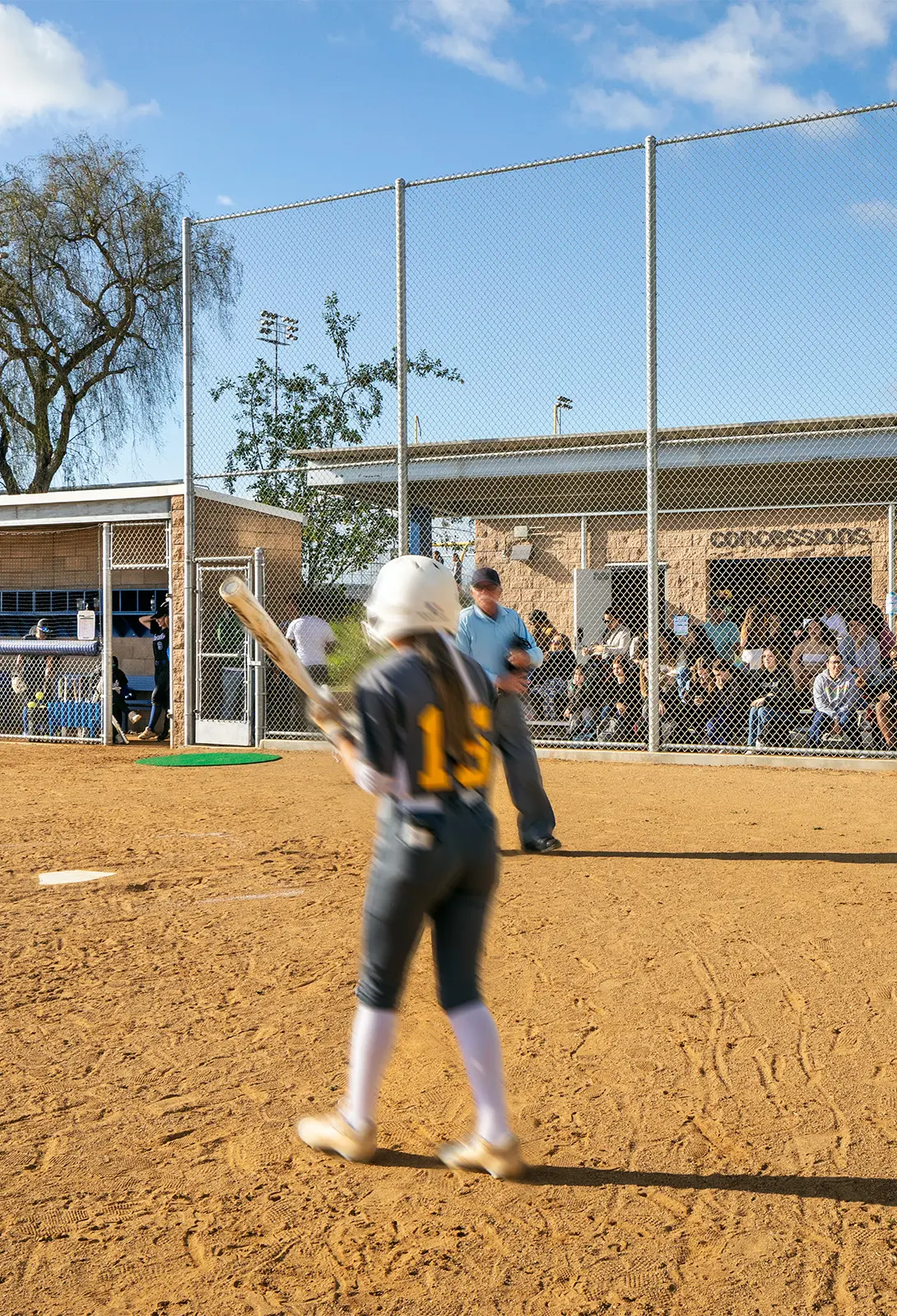
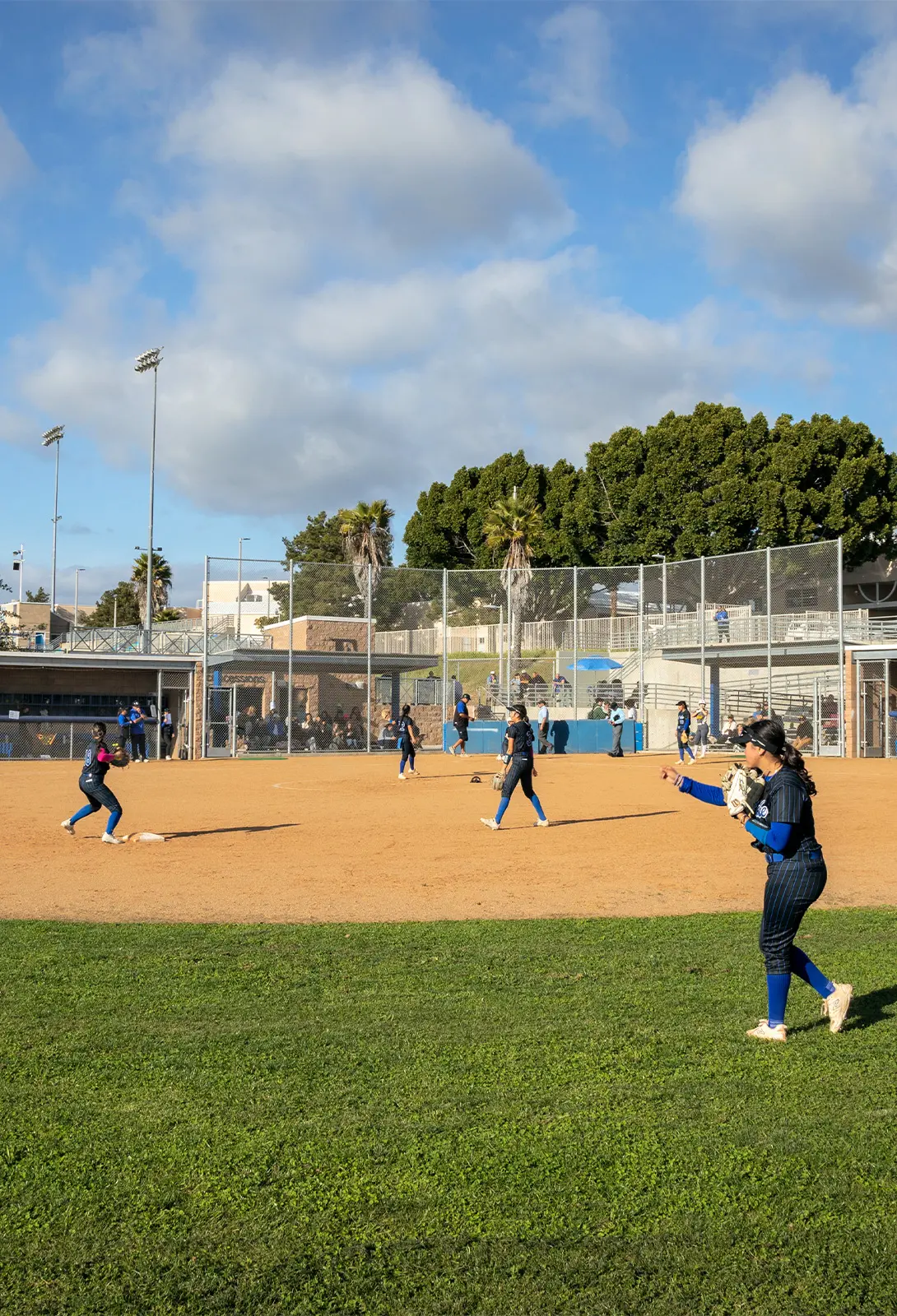
Whether it’s a new softball field or a multi-use gym, our work helps administrators evaluate parity across amenities, square footage, and accessibility.
Advocating for balance up front means spaces meet both regulatory standards and student needs. The result is better design, stronger programs, and fewer surprises down the line.
Designing Spaces That Adapt and Endure
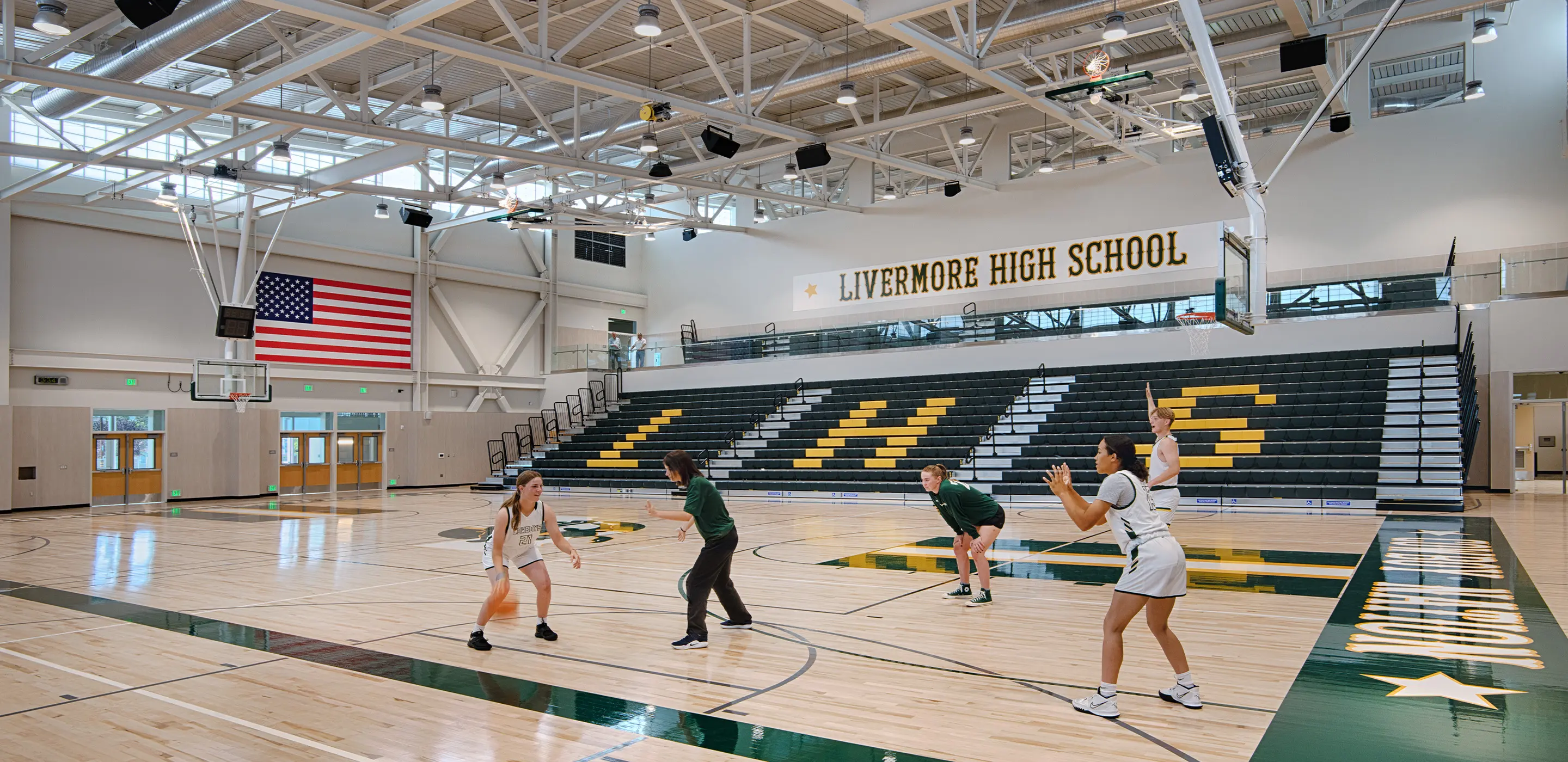
Many athletic facilities today are being asked to do more with less. With space, funding, and time at a premium, thoughtful design is essential. We’re seeing gymnasiums built without gender labels, serving as shared practice spaces that rotate between boys’ and girls’ seasons.
Outdoor fields are no longer single-use—they’re striped in multiple colors to support soccer, field hockey, lacrosse, and football across the calendar.
Even stadium seating is being reconsidered, with collapsible and movable options that allow schools to adjust layouts between sports seasons, balancing use while staying within budget.
By thinking flexibly, we reduce redundancy, maximize utility, and make athletic infrastructure more sustainable over time. That means better ROI for districts and more access for athletes.
Planning for Growth and Evolving Sports
Equity is only part of the story. Demand is rising fast, and with it, the kinds of sports communities need to be accommodated. Girls’ flag football and wrestling are growing rapidly in participation, and new programs like competitive cheer or pickleball are joining traditional offerings like basketball and volleyball.
We work with districts to anticipate not just today’s usage but tomorrow’s. That includes:
- Planning clearances, lighting, and surface materials that support multi-sport flexibility
- Designing fields and courts that can be restriped or reprogrammed seasonally
- Repurposing underused spaces like blacktops or storage zones into viable practice areas
We’ve seen recent examples of this at schools where girls’ flag football has now become a regular part of field usage, or the inclusion of new pickleball courts designed as part of a broader recreational upgrade.
Bridging Public and Private: A Community-First Model
While public schools remain the backbone of youth athletics, private for-profit training centers are increasingly stepping in to meet capacity gaps—especially for high-performance athletes. The challenge is accessibility. Without thoughtful planning, these private amenities can widen inequities across the community.
Bridging this divide starts by aligning design strategies with school programs to create facilities that support partnerships and shared use.
In places like Serra High School, joint-use fields bring together districts and municipalities through shared access, cost, and stewardship. In other communities, durable, flexible spaces are designed to serve both public programs and private clubs.
Whether it’s weekday practices or weekend tournaments, these shared models create greater access, stronger community ties, and better long-term facility use.
Looking Ahead: Designing for Equity, Flexibility, and Impact
Thoughtful design reflects community values, builds trust, and creates lasting opportunity. As participation grows, schools need facilities that are resilient, responsive, and built for what’s next. That’s why we design with policy in mind and partner closely with clients to translate complex needs into clear, equitable solutions.