Understanding the Prevalence of Trauma in the United States
Trauma is a pervasive issue in American society, affecting individuals across all demographics. The experience can be classified into one of several categories including acute trauma (a single distressing event), chronic trauma (repeated and prolonged exposure to adverse events), and complex trauma (multiple types of traumas occurring over time). Further, the Substance Abuse and Mental Health Services Administration (SAMHSA) estimates that about 6% of the U.S. population; roughly 15 million adults, suffer from post-traumatic stress disorder (PTSD) annually.
These statistics underscore the need for built environments that acknowledge and accommodate the lasting impacts of trauma.
Trauma is rarely a singular occurrence; rather, it tends to accumulate over time. Individuals who have experienced multiple traumatic events are at higher risk for adverse psychological and physiological health outcomes. The built environment plays a critical role in either exacerbating or mitigating these effects. For those living in multifamily housing, environmental stressors such as noise pollution, poor lighting, and social isolation can contribute to heightened anxiety and stress responses. By designing spaces that are sensitive to these challenges, architects and developers can create environments that support healing and resilience.
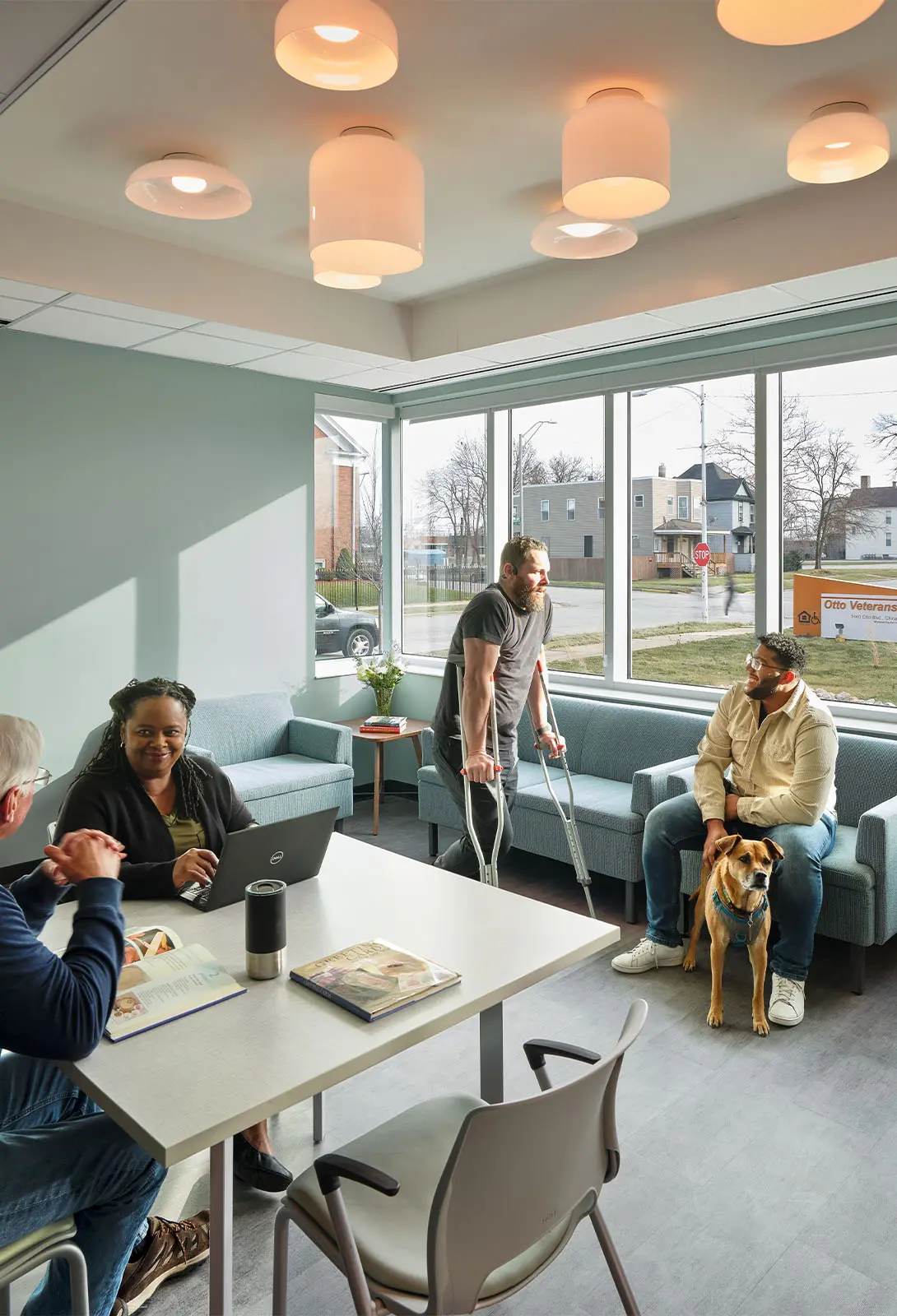
Addressing Isolation Through Thoughtful Multifamily Design
Isolation is a significant issue for trauma survivors, as social withdrawal is a common coping mechanism. Multifamily housing developments can counteract this by fostering social connection through intentional design strategies:
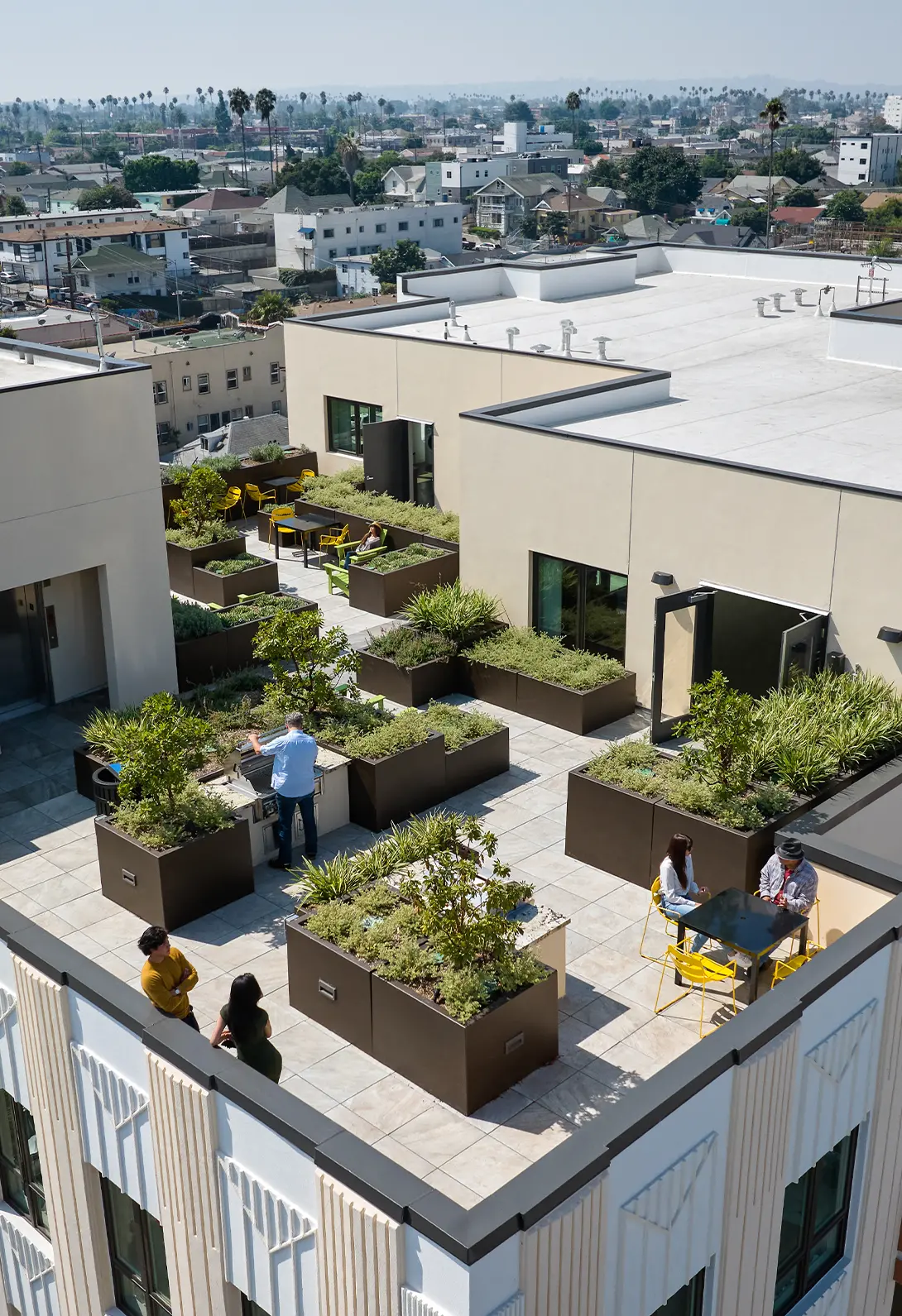
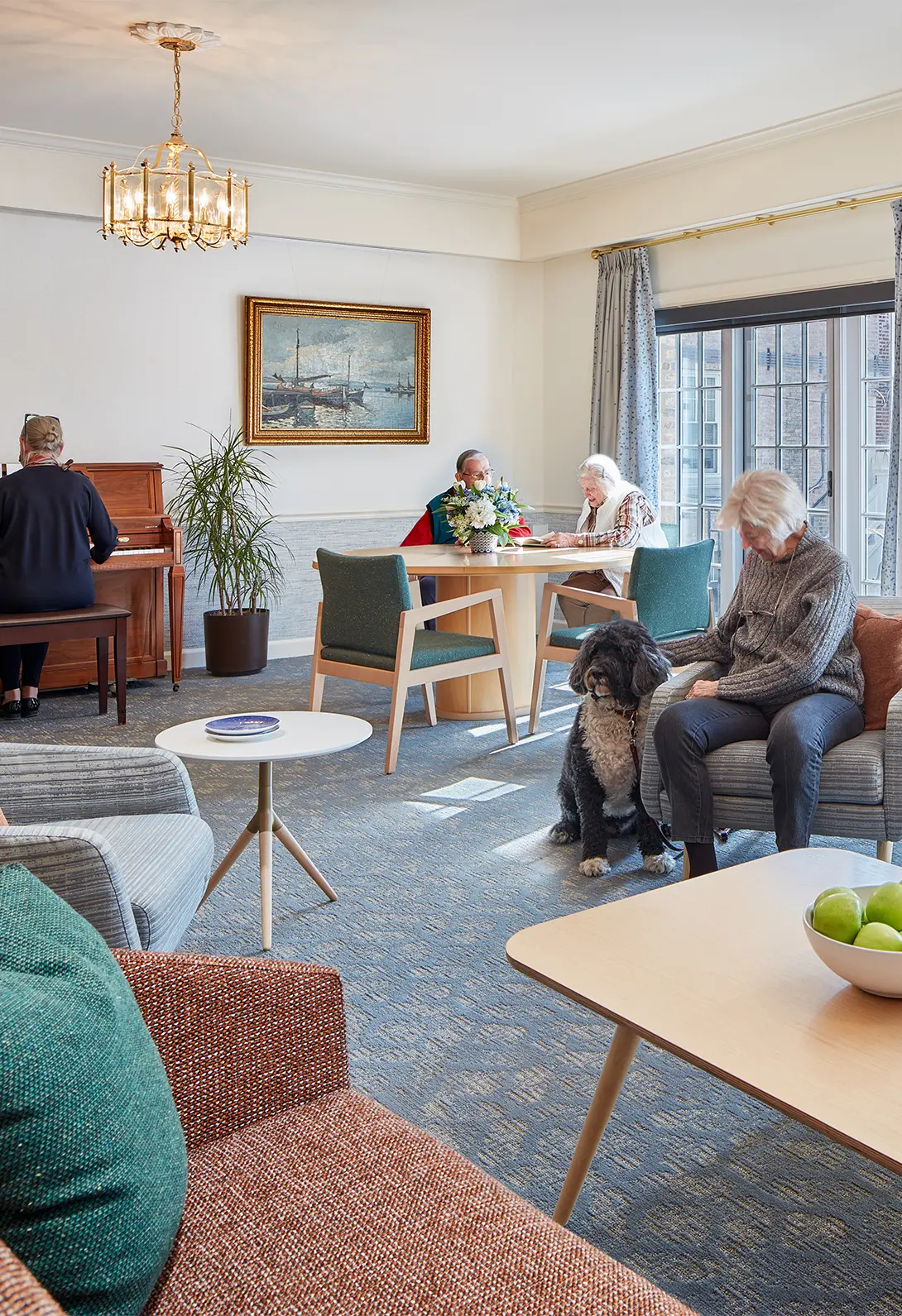
- Community-Oriented Spaces / Creating inviting, semi-private outdoor courtyards, communal kitchens, and shared lounges can encourage organic social interactions.
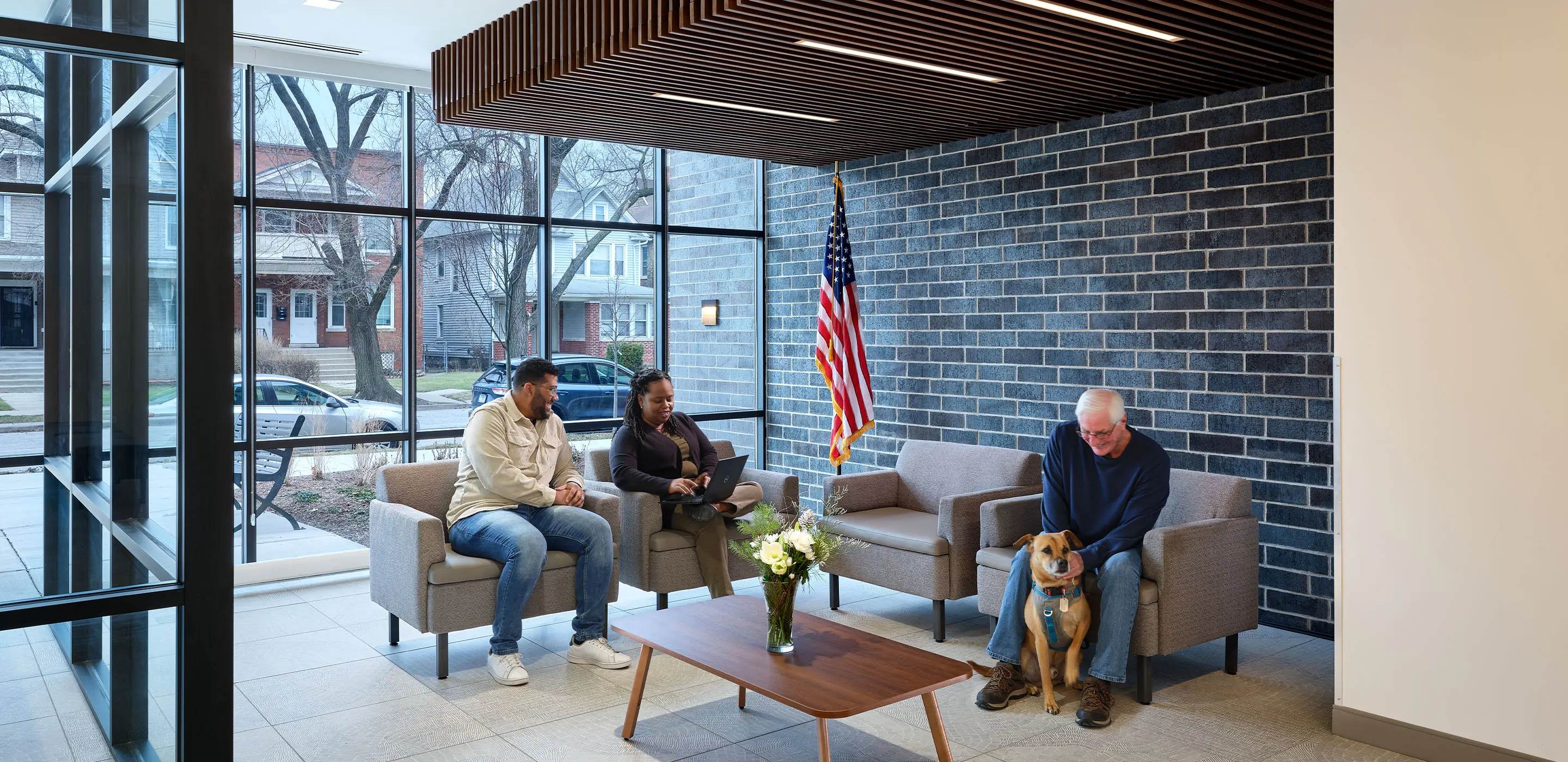
- Visual Connectivity / Incorporating open sightlines in hallways, lobbies, and communal areas helps reduce feelings of seclusion while maintaining personal safety.
- Varied Social Zones / Offering spaces that accommodate different levels of interaction—from quiet reading nooks to vibrant activity centers—allows residents to engage at their own comfort level.
- Support for Recovery Programs / Incorporating on-site counseling spaces, group therapy rooms, and areas dedicated to peer-support meetings can provide trauma survivors, especially those recovering from substance use disorders, with access to critical resources.
The Role of Acoustics and Lighting in Trauma-Informed Design
Sensory sensitivity is a common challenge among individuals who have experienced trauma. Uncontrolled noise and poor lighting conditions can trigger stress responses and reduce overall well-being.
- Acoustics / Reducing environmental noise is essential for creating a sense of safety and control. Soundproofing between units, incorporating soft surfaces to absorb sound, and utilizing white noise machines in communal areas can help minimize disruptive auditory stimuli.
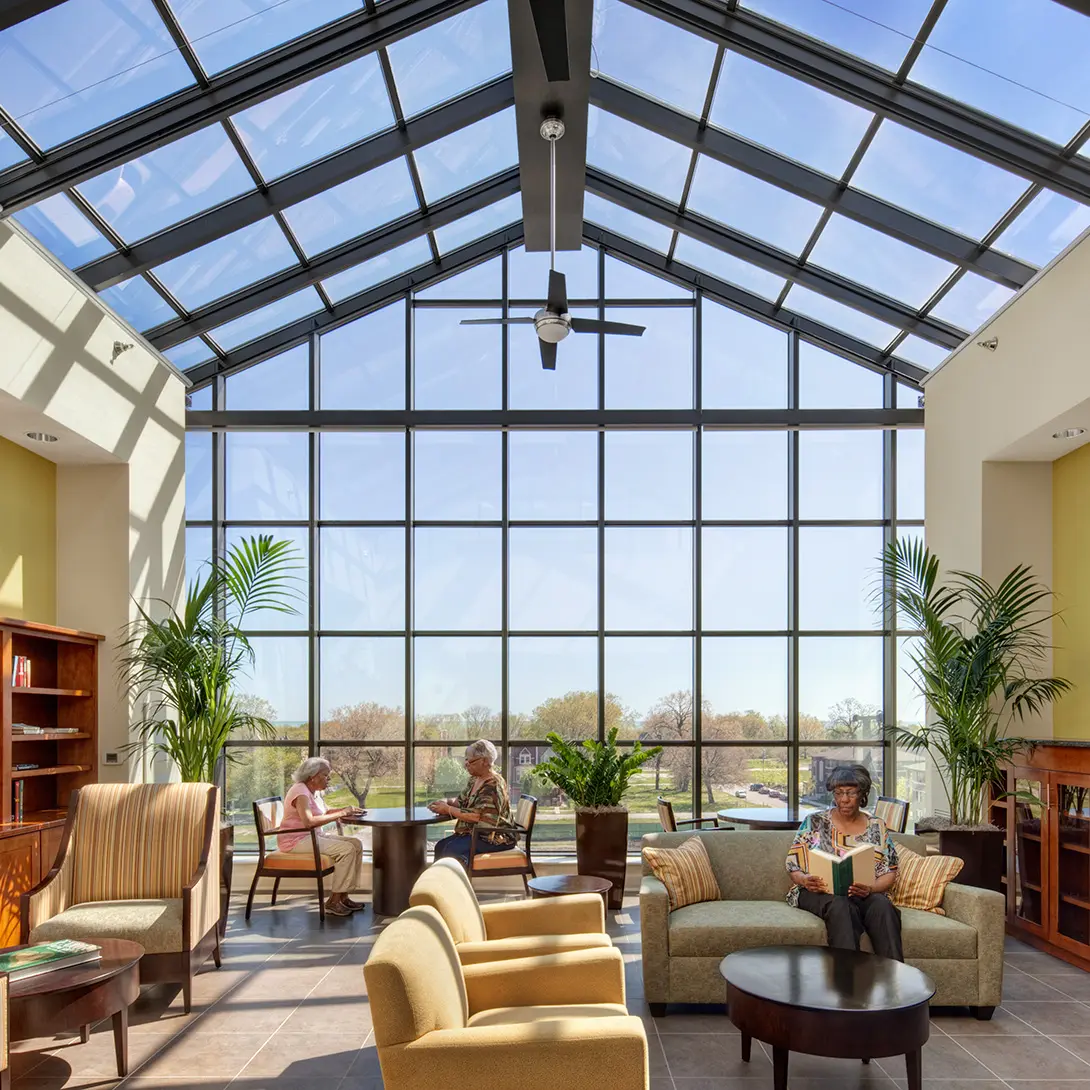
- Lighting / Proper lighting design should balance natural and artificial sources to create a calming atmosphere. Natural light should be maximized where possible, while artificial lighting should be dimmable and adjustable to accommodate different sensitivities. Harsh fluorescent lighting should be avoided in favor of warm, indirect illumination.
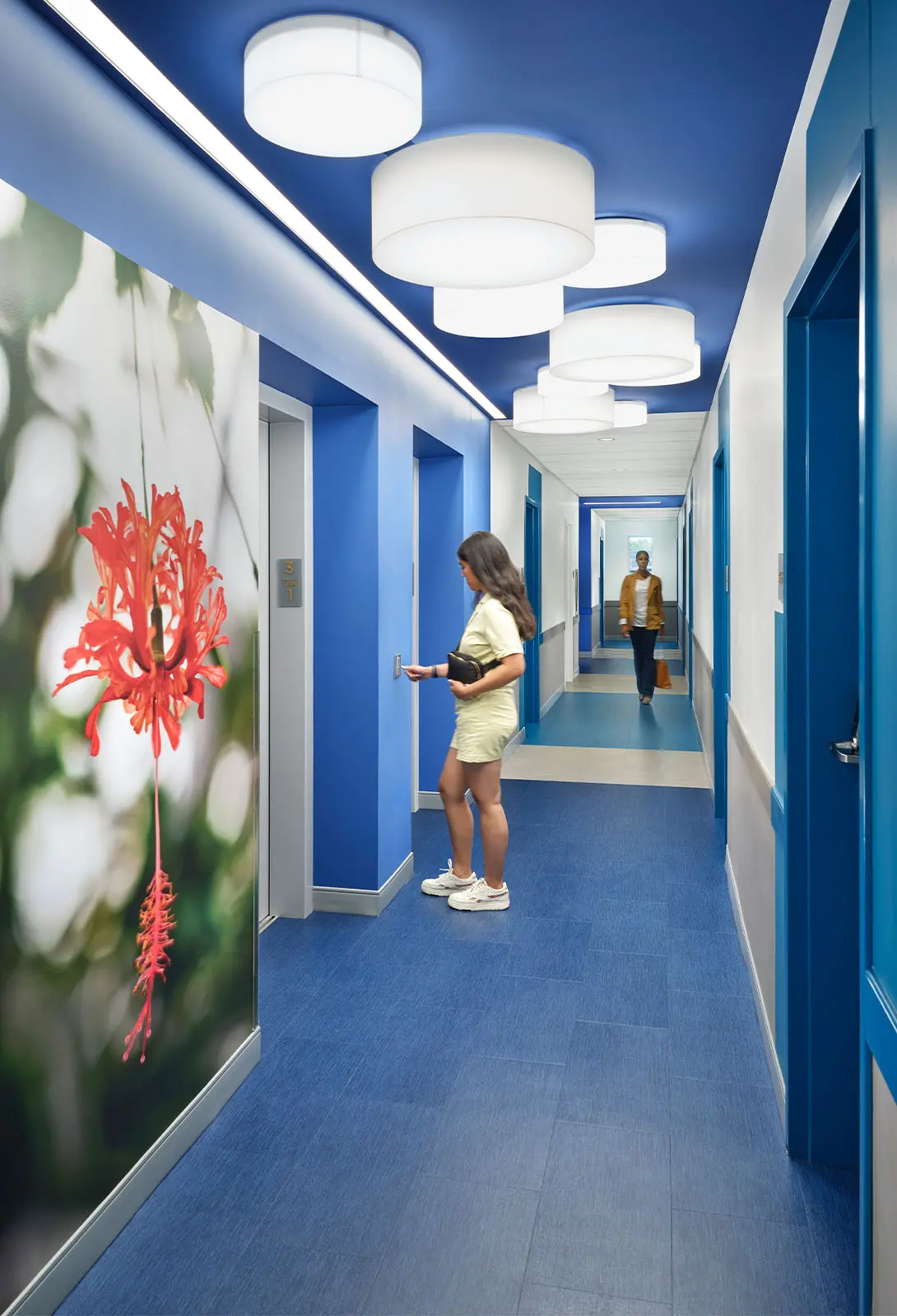
Minimizing Environmental Stressors to Improve Resident Well-Being
Environmental stressors, including unpredictable layouts, lack of personal control over surroundings, and inadequate wayfinding, can exacerbate trauma responses.
Strategies for reducing stressors include:
- Predictable and Intuitive Layouts / Clearly defined circulation paths, logical spatial organization, and the minimization of dead-end corridors help residents feel oriented and at ease.
- Control Over Personal Space / Features such as operable windows, adjustable blinds, and individual climate control provide residents with a sense of autonomy.
- Biophilic Design Elements/ The integration of nature through indoor plants, green walls, and access to outdoor spaces has been shown to lower stress levels and improve mental health.
- Substance Recovery Considerations /Creating environments free from common triggers, such as excessive noise, harsh lighting, and lack of privacy, can aid in the stabilization of individuals recovering from addiction.
Best Practices for Trauma-Informed Design in Multifamily Housing
To create built environments that support trauma survivors, designers should implement the following best practices:
- Foster Social Connection / Design shared spaces that encourage interaction while also providing areas for privacy.
- Enhance Acoustics / Utilize sound-absorbing materials and ensure unit separation minimizes noise transfer.
- Optimize Lighting / Provide ample access to natural light, use warm-toned artificial lighting, and ensure lighting is adjustable.
- Reduce Environmental Stressors / Implement intuitive wayfinding, offer personal control over environmental settings, and integrate calming biophilic elements.
- Prioritize Safety and Security / Ensure well-lit pathways, controlled access points, and visible sightlines in communal areas to enhance residents’ sense of safety.
- Incorporate Trauma-Sensitive Materials /Avoid harsh textures and cold surfaces; opt for soft furnishings, natural materials, and warm color palettes.
- Encourage Nature Integration / Provide gardens, courtyards, and views of green spaces to promote relaxation and mental clarity.
- Design for Sensory Comfort / Use non-glare surfaces, reduce visual clutter, and avoid overstimulating color schemes.
- Support Recovery-Friendly Environments / Include designated spaces for therapy, peer-support meetings, and wellness programs that aid individuals recovering from addiction.
Transforming Spaces, Transforming Lives
Trauma-informed design is not just a trend—it is a necessary shift in the way we approach the built environment, particularly in multifamily housing. By integrating strategies that address social isolation, sensory sensitivities, and environmental stressors, architects and developers can create spaces that promote healing, safety, and long-term well-being.
As research continues to highlight the profound impact of design on mental health, the responsibility falls on industry professionals to champion these principles in future projects. Thoughtful, intentional design has the power to transform not just spaces, but lives.