Designing Senior Living Facilities for Respiratory Health
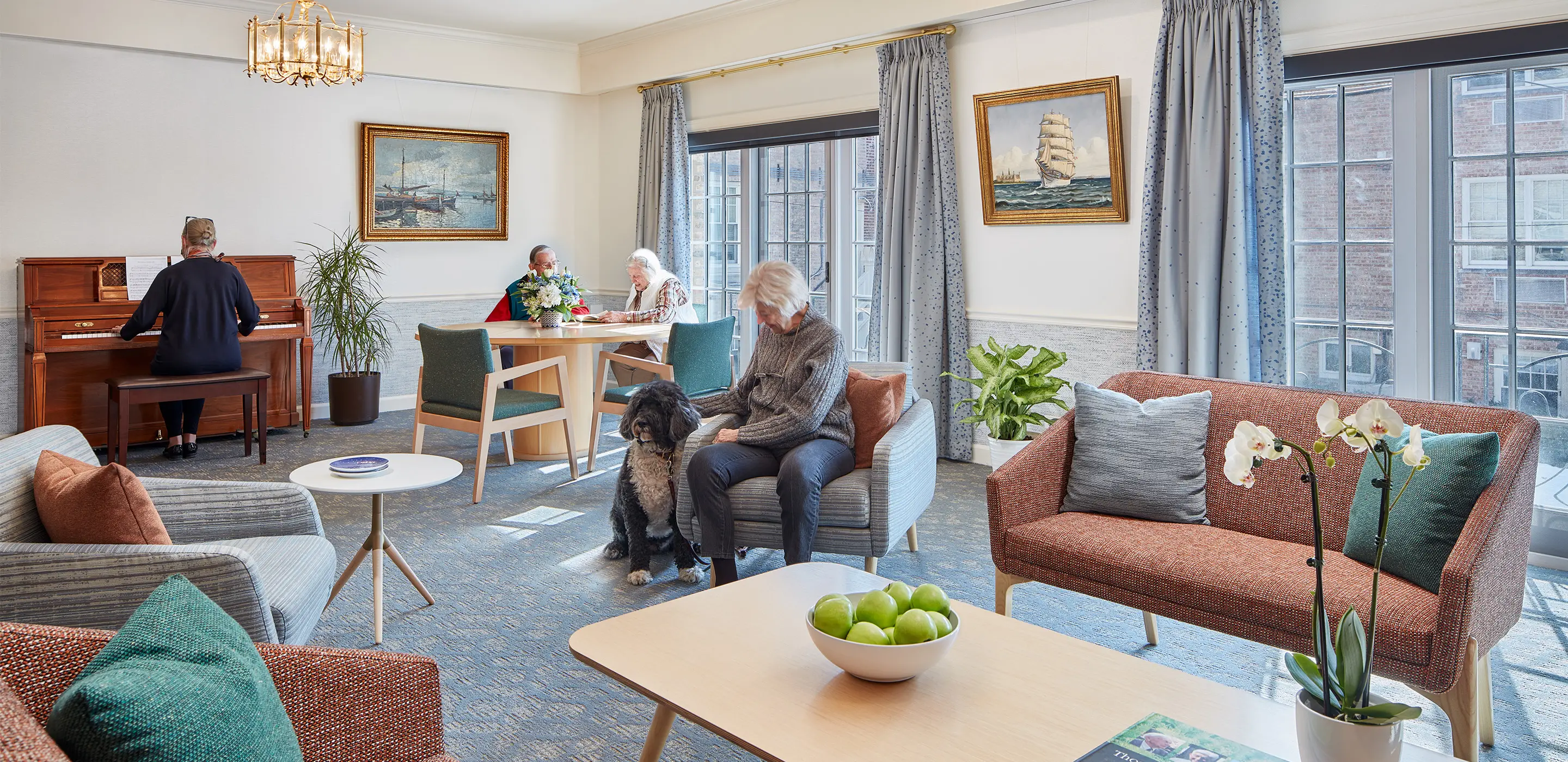
the built environment must evolve to meet the needs of older adults
Respiratory illnesses pose a common risk to seniors due to a combination of aging populations, environmental factors, and increased susceptibility to airborne diseases. According to the Centers for Disease Control and Prevention, chronic lower respiratory diseases, including chronic obstructive pulmonary disease and asthma, are among the leading causes of death in older adults. Furthermore, the COVID-19 pandemic also underscored the vulnerability of seniors to airborne pathogens.
To combat these risks, architects and engineers must prioritize respiratory health in senior living facilities by designing environments that improve indoor air quality, integrate fresh air access, and support overall well-being. Achieving these goals requires a multifaceted approach, including mechanical and often also passive ventilation strategies, transitioning from negative to positive pressure in residential units, and incorporating standards such as the WELL Building Standard, the Living Building Challenge, and LEED.
By prioritizing access to fresh air, implementing strategic, high-performing mechanical ventilation systems, and incorporating passive design elements such as layout and orientation, architects and engineers can create spaces that support long-term respiratory wellness.
Improving Wellbeing with Fresh Air
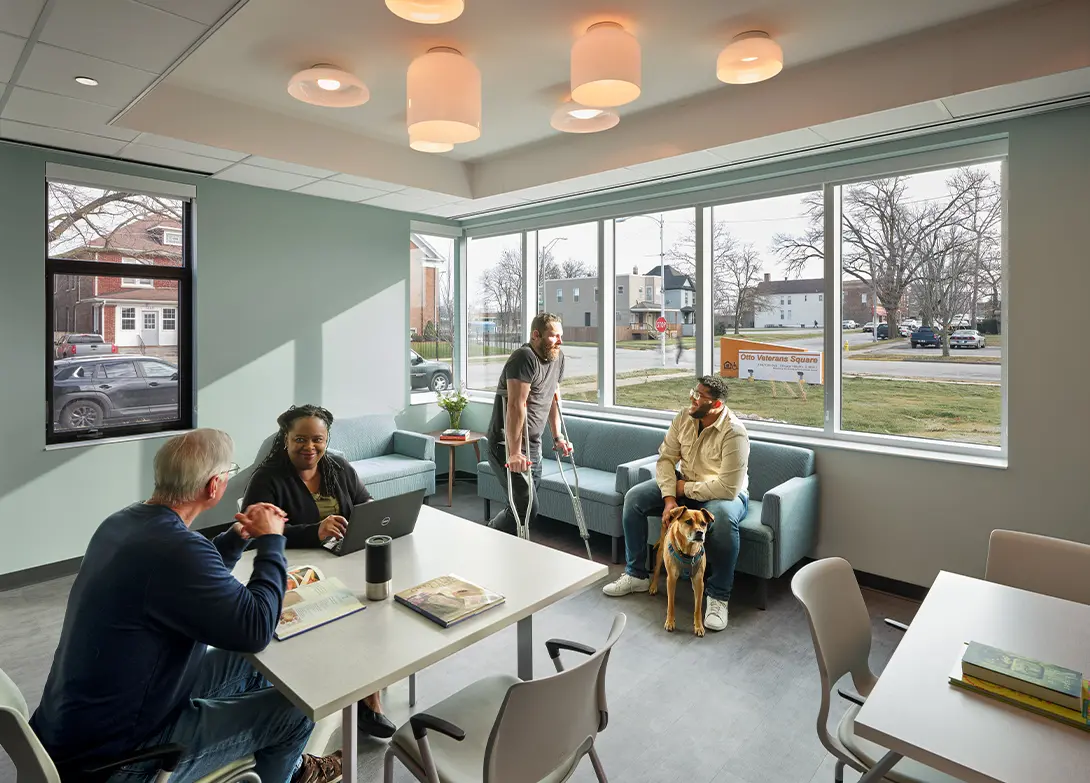
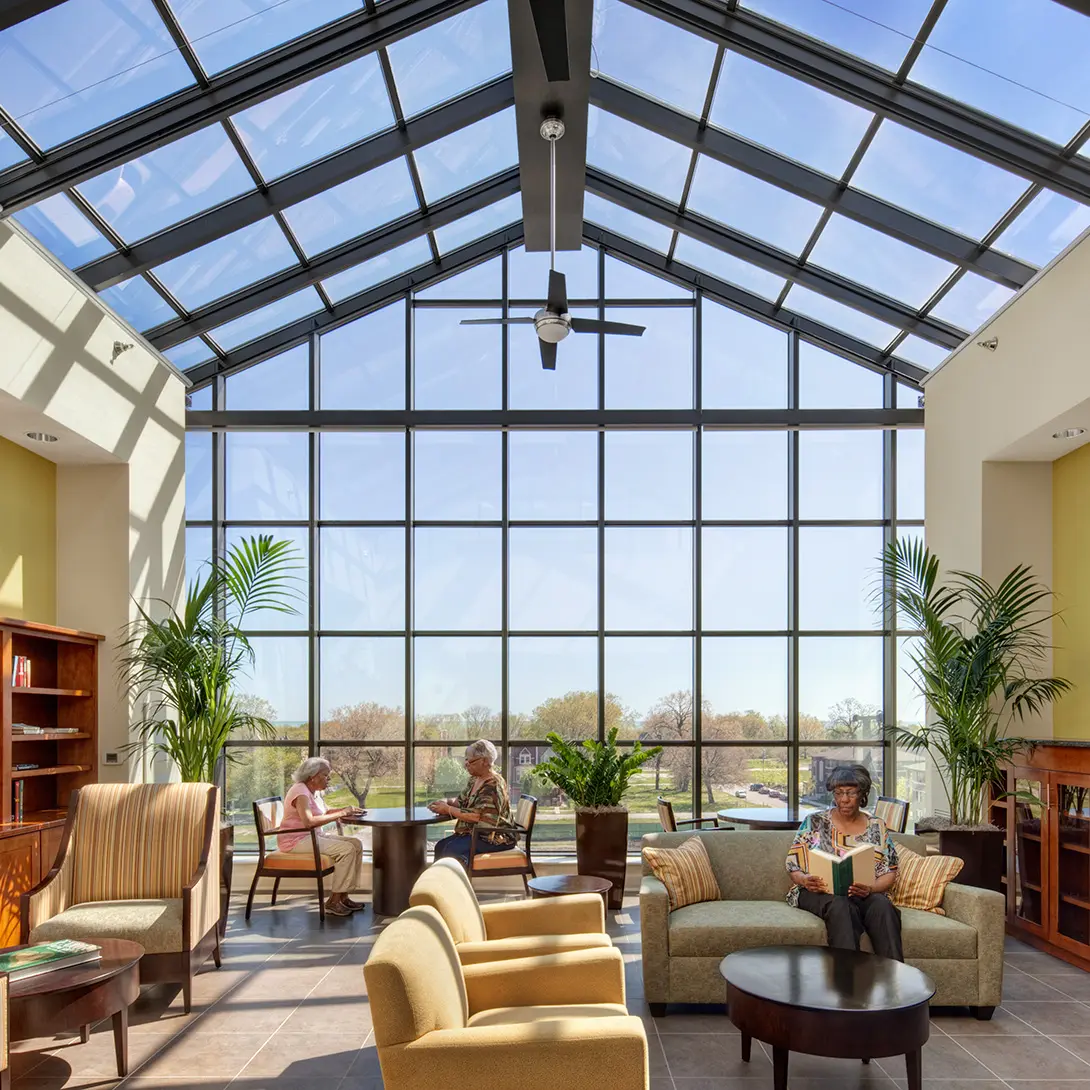
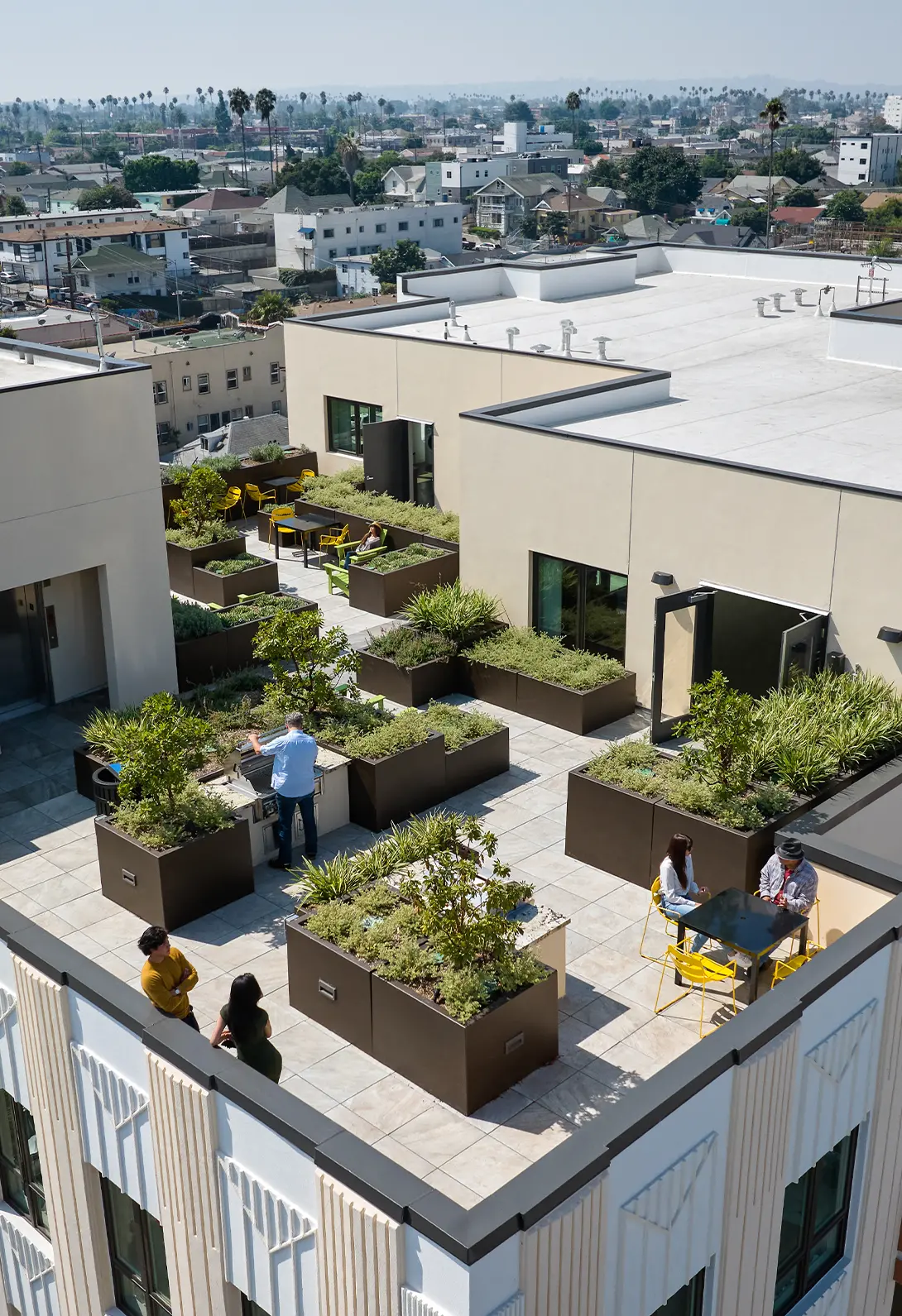
Access to fresh air plays a vital role in respiratory health by reducing airborne contaminants, balancing humidity levels, and improving overall well-being. Providing direct access to outdoor spaces through balconies, courtyards, and walking paths encourages residents to spend time outside in fresh air. Additionally, operable windows designed with safety features allow for controlled natural ventilation. The WELL Building Standard emphasizes the importance of outdoor air exchange, requiring minimum ventilation rates that exceed standard building codes to ensure consistently high indoor air quality.
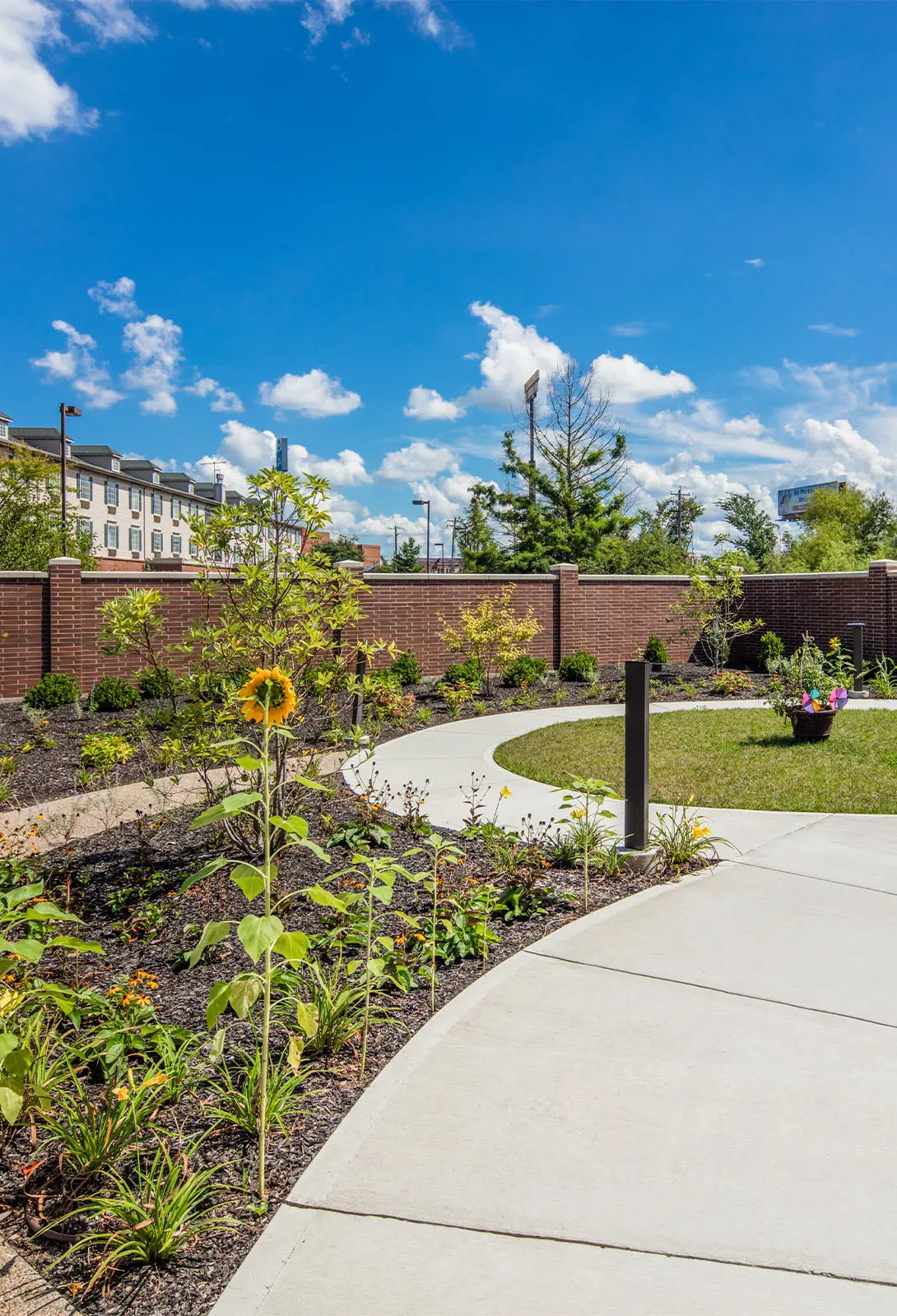
Providing better access to fresh air can:
Reduce Airborne Pathogens and Contaminants
- Increased ventilation with outdoor air helps dilute airborne viruses, bacteria, and pollutants, reducing the risk of respiratory infections like influenza, RSV, and COVID-19 (Journal of the American Medical Association)
- Lower CO₂ levels from better air circulation improve cognitive function and prevent symptoms of poor indoor air quality such as headaches, dizziness, and fatigue (Harvard T.H. Chan School of Public Health)
Help Manage Humidity for Respiratory Comfort
- Maintaining optimal humidity levels (40-60%) through fresh air circulation reduces the spread of respiratory viruses, which thrive in dry environments (American Society of Heating, Refrigerating and Air-Conditioning Engineers)
- Prevents the buildup of mold and dust mites, both of which are common respiratory irritants in senior living environments (Environmental Protection Agency)
Support Immune Function and Overall Resident Health
- Fresh air increases oxygen intake, which enhances lung function, reduces inflammation, and supports overall immune response (American Lung Association)
- Exposure to outdoor air and natural light regulates circadian rhythms, improving sleep quality, which is essential for respiratory health and overall well-being (National Institutes of Health)
Encourage Physical Activity and Social Engagement
- Outdoor spaces designed for walking, sitting, or gardening encourage movement, which can improve lung function and reduce respiratory decline in aging populations (Gerontologist Journal)
- Safe and accessible outdoor gathering areas allow residents to socialize in well-ventilated environments, reducing the risk of airborne disease transmission (Centers for Disease Control and Prevention)
Reduces Dependence on Artificial Air Filtration
- While air filtration systems are essential, fresh outdoor air provides a natural method of air purification by flushing out indoor pollutants (Environmental Science & Technology)
- Facilities with good cross-ventilation and operable windows can maintain high indoor air quality while reducing energy costs associated with mechanical ventilation (U.S. Department of Energy)
The caveat for increasing fresh air ventilation are wildfires and any outdoor air pollution events that can create respiratory challenges. Systems must be flexible to manage extreme conditions. But by prioritizing fresh air access through ventilation strategies, outdoor spaces, and air quality monitoring, senior living facilities can create healthier environments that offset the challenges of respiratory illnesses, ultimately improving residents’ quality of life.
Thoughtful Space Planning in Senior Living Environments
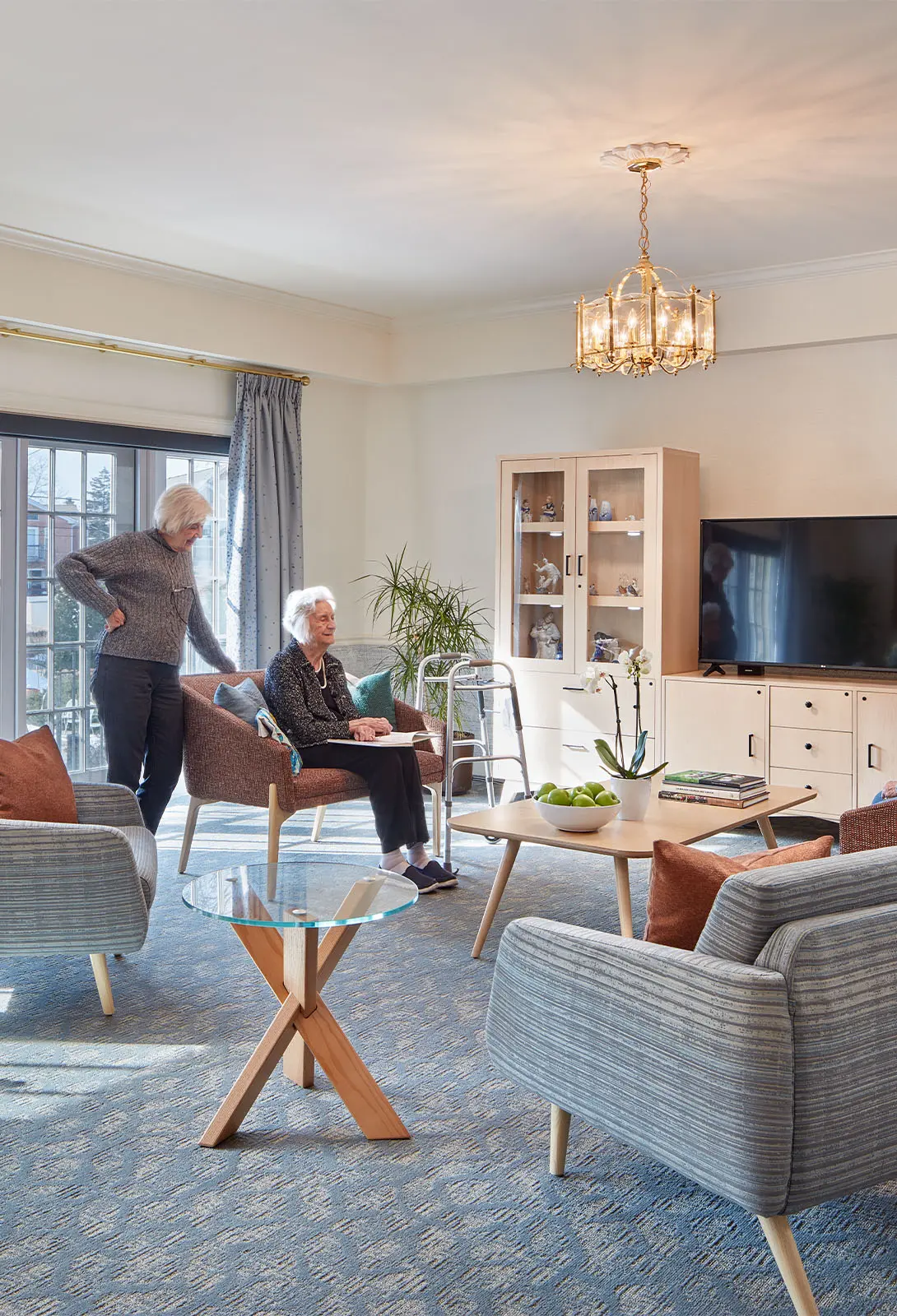
Passive design strategies can also play a critical role in promoting respiratory health within senior living environments. Thoughtful space planning and material selection can naturally enhance air quality while reducing reliance on mechanical systems. For example, arranging residential units around central courtyards or green spaces allows for cross-ventilation, reducing the accumulation of indoor air pollutants.
Studies conducted by the Harvard T.H. Chan School of Public Health have shown that buildings designed with natural ventilation pathways experience lower concentrations of volatile organic compounds and carbon dioxide, leading to improved respiratory outcomes for occupants. Further, incorporating high ceilings, open floor plans, and strategically placed vents facilitate air movement and prevent stagnation.
These principles align with the Living Building Challenge, which requires projects to demonstrate that they actively improve indoor air quality through design rather than relying solely on mechanical filtration.
Negative Versus Positive Pressure Environments
Transitioning from negative to positive pressure within individual living units can significantly reduce the spread of airborne pathogens. Negative pressure environments, often used in hospitals to contain infectious diseases, may inadvertently draw in unfiltered air from adjacent spaces when used inappropriately in residential settings. Instead, a balanced or slightly positive pressure approach ensures that clean, filtered air is continuously supplied to living quarters while preventing contaminated air from infiltrating.
The American Society of Heating, Refrigerating and Air-Conditioning Engineers recommends high-efficiency particulate air filtration within HVAC systems to remove fine particulates and allergens. Additionally, dedicated outdoor air systems that supply 100 percent fresh air can be incorporated to further improve air exchange rates. These measures can help earn points if a project is pursuing LEED certification.
How Material Choices Affect Respiratory Health
Material choices also contribute significantly to respiratory health in senior living facilities. Many conventional building materials emit volatile organic compounds, which can trigger respiratory distress in sensitive populations. The WELL Building Standard mandates the use of low-emission materials for flooring, paint, adhesives, and furnishings to minimize indoor air pollutants. Similarly, LEED certification rewards projects that prioritize non-toxic materials and promote indoor chemical control measures. The Living Building Challenge goes further by prohibiting the use of materials that contain known respiratory hazards, such as formaldehyde and polyvinyl chloride. By selecting materials that meet these stringent health criteria, architects, interior designers, and engineers can create environments that support long-term respiratory wellness for senior residents.
Benefits of Nature and Biophilic Design on Resident Wellness
Beyond air quality management, access to nature and biophilic design elements further enhance respiratory health and overall well-being. The presence of indoor plants, green walls, and outdoor gardens has been shown to improve air quality by naturally filtering pollutants.
A study published in Environmental Science & Technology found that indoor plants can reduce airborne particulate matter by up to 25 percent, providing a passive method of air purification. Additionally, exposure to natural light and outdoor views has been linked to improved mood, cognitive function, and overall immune system support, all of which contribute to better health outcomes in senior living facilities.
Health and Wellness as a Design Imperative
Designing senior living environments that prioritize respiratory health is not only an ethical imperative but also a practical response to the increasing prevalence of respiratory illnesses among aging populations due to the events of recent years.
By 2030, the demand for senior living residences in the United States is projected to reach 2.1 million units, reflecting the growing need for age-friendly housing solutions. Additionally, respiratory health is emerging as one of the key healthcare trends that will shape the market by 2035, driven by increasing rates of chronic respiratory diseases and the need for improved indoor air quality. Certifying buildings with established health and sustainability frameworks such as the WELL Building Standard, the Living Building Challenge, and LEED can ensure that these efforts are executed rigorously and grounded in proven best practices.
As the demand for senior living facilities continues to grow, it is essential that the built environment evolves to meet the unique health needs of older adults, fostering communities where residents can breathe easily and thrive.
Additional Contributing Authorship by Tom Hoff
Tom Hoff is a mechanical engineer at HED who is responsible for design of the building systems, while providing leadership to other less-experienced engineers and designers. Tom is familiar with sustainable design approaches and their various implications on the design and building. He is able to successfully engage with stakeholders and authorities having agency on the project to deliver a successful completed building and development.