P3 Innovation Centers Succeed When Design Comes First
July 29, 2025
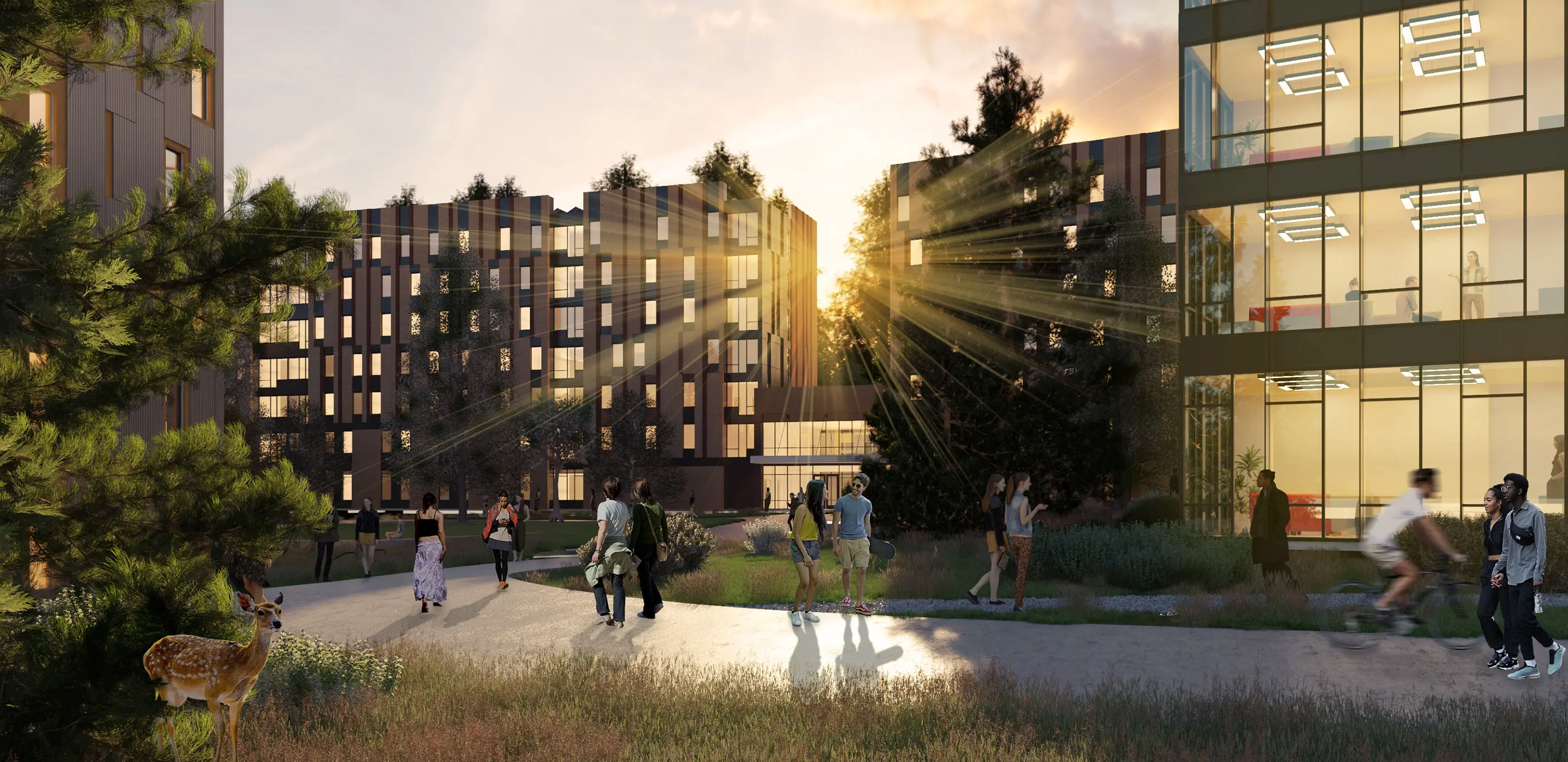
aligning design and intent from the start
As shifts in federal and state funding redefine the educational landscape, colleges and universities are increasingly seeking Public-Private Partnerships (P3) to help realize their visions for innovation districts and research parks.
In higher education, P3 Innovation Centers and research parks are most successful when architecture and engineering are integrated early. When design leads, goals take shape faster, risks diminish, and opportunities grow.
Why Early Design Matters
Bringing in design after the deal is done is a missed opportunity. The real leverage point is before commitments are locked, when the path is still being defined. This is where design belongs: up front, shaping outcomes instead of reacting to them, bringing:
- A shared vision that aligns academic mission with developer intent
- Infrastructure planning that anticipates future growth
- Smart cost modeling and systems built to adapt
- Spaces that attract talent and embody institutional identity
- Confidence for funders, tenants, and stakeholders alike
P3 success doesn’t start with a signature. It starts with alignment—and alignment starts with thoughtful design. But early design isn’t just about logistics. It’s about values. Once the foundation is set, the question becomes: what are we building toward—and for whom?
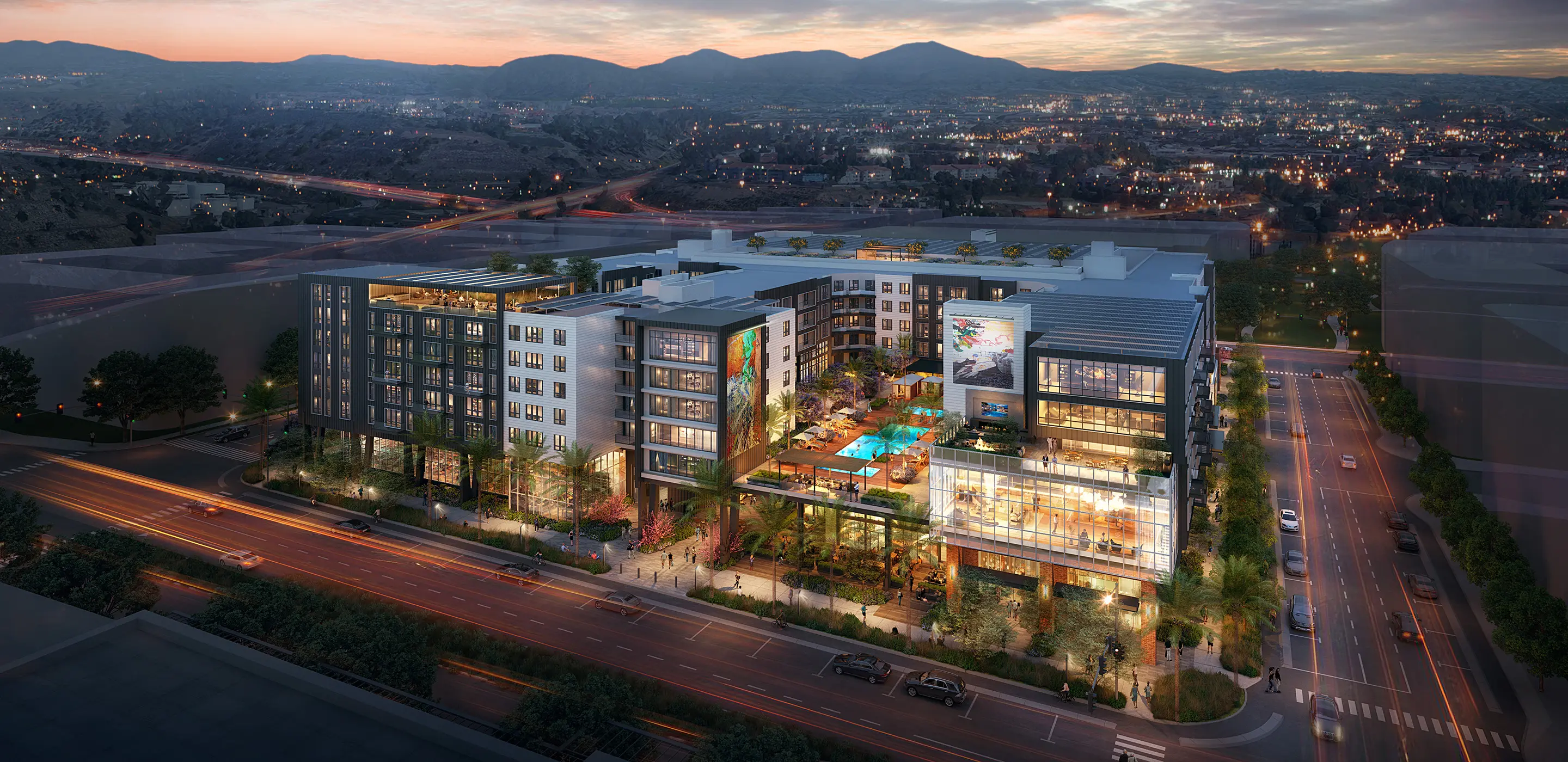
Universities Need More Than Square Footage
Innovation Centers are extensions of mission, brand, and academic ambition. We help institutions frame their physical and programmatic needs in ways that strengthen negotiating power and create long-term value to:
- Align new development with academic identity and culture
- Embed sustainability and equity into the design DNA
- Attract and retain faculty, students, and research talent
- Protect mission-critical interests—like access, naming rights, and inclusion
As advocates and design thinkers, we understand the institutional pressures at play. Our role is to bring clarity, foresight, and intelligence to the table, so the academic side is not only heard but meaningfully embedded in the outcomes.
The Developers’ Benefit
While academic alignment is essential, it’s only one side of the equation. P3 projects are inherently complex with multiple funding sources, diverse stakeholders, and high expectations. Developers face their own set of pressures, and design can be a powerful tool for navigating them.
When design is synchronized with development strategy, project momentum builds instead of stalls, offering:
- Clear governance frameworks for faster decision-making
- Early-phase cost and feasibility validation
- Resilient infrastructure and flexible space typologies
- Support for mixed-use environments—lab, office, teaching, and co-working
This works to benefit the developer, keeping projects on time and on budget.
Designing for Research-Driven Tenants
Innovation Centers succeed when they serve the people inside them. By planning for flexibility and community from day one, we create environments where research can flourish, and partnerships can grow organically. Because in the end, it’s not just about space—it’s about experience. What happens inside these walls is what ultimately defines their value.
That’s why we embed:
- Modular planning for fast-moving companies
- Shared labs, maker spaces, and scalable resources
- Strong MEP systems to support specialized uses
- Strategic adjacency to academic, financial, and business networks
By aligning design and intent from the start, we turn complex partnerships into ecosystems built for enduring innovation.
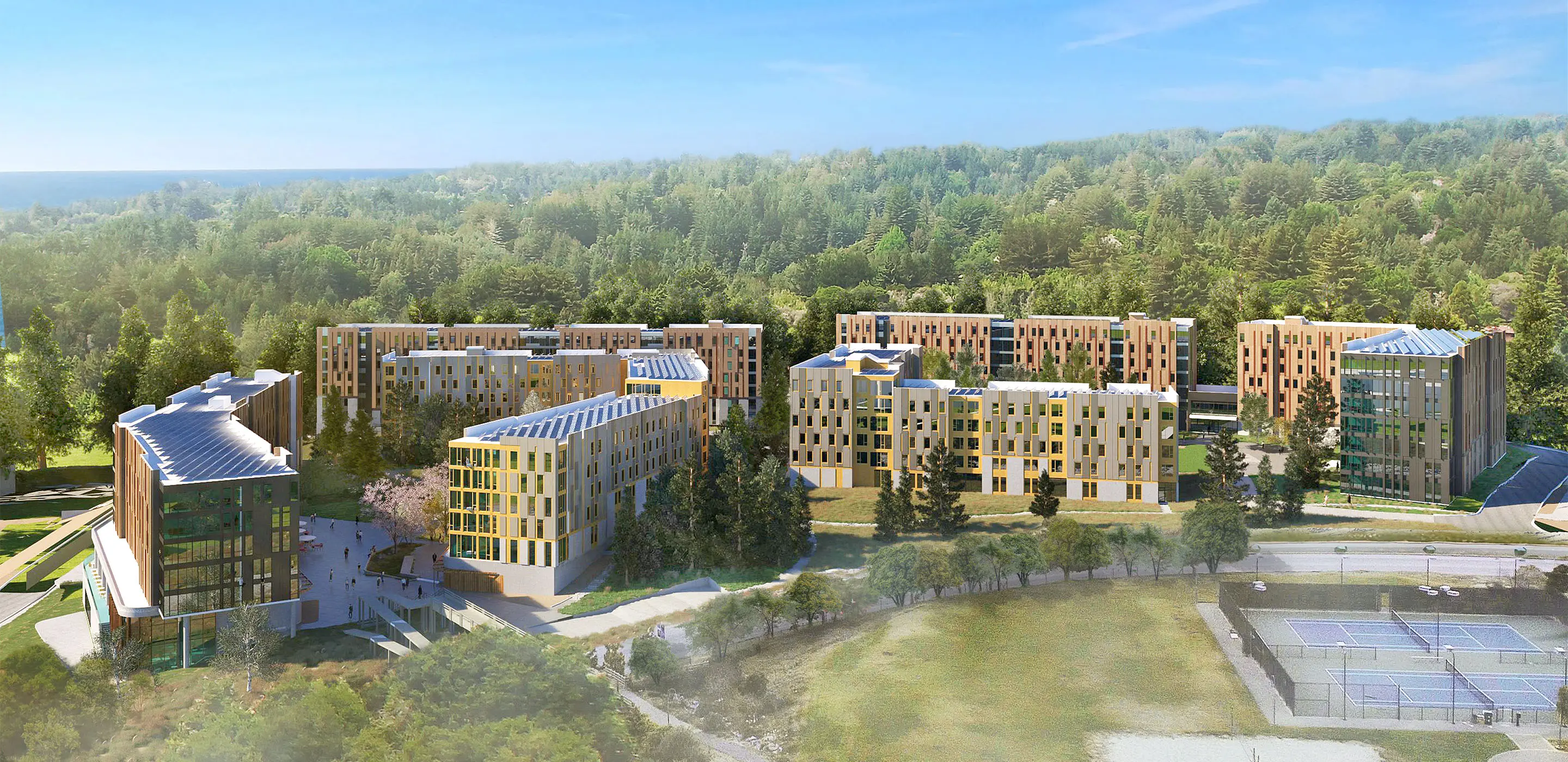
Design That Connects Systems and People
Innovation Centers thrive when thoughtfully planned to support both people and systems. In addition to robust utilities and design flexibility, success depends on a purposeful mix of space types, from labs and lounges to conference rooms and cafes—all designed to encourage connection. Early planning can help secure anchor tenants, integrate workforce training programs, and create visible public interfaces that foster community engagement.
Our Bottom Line
P3 projects don’t succeed by chance. They demand vision, alignment, and integrated design from the start. The future of innovation depends on environments that are flexible, intentional, and resilient. Our approach allows us to move beyond the construction of buildings to the creation of ecosystems.
Places that not only house businesses but help them grow. By aligning design and planning early, we help universities protect their mission, developers realize their return, and startups find the support they need to thrive.