Future-Proofing Forensic Laboratories
May 20, 2025
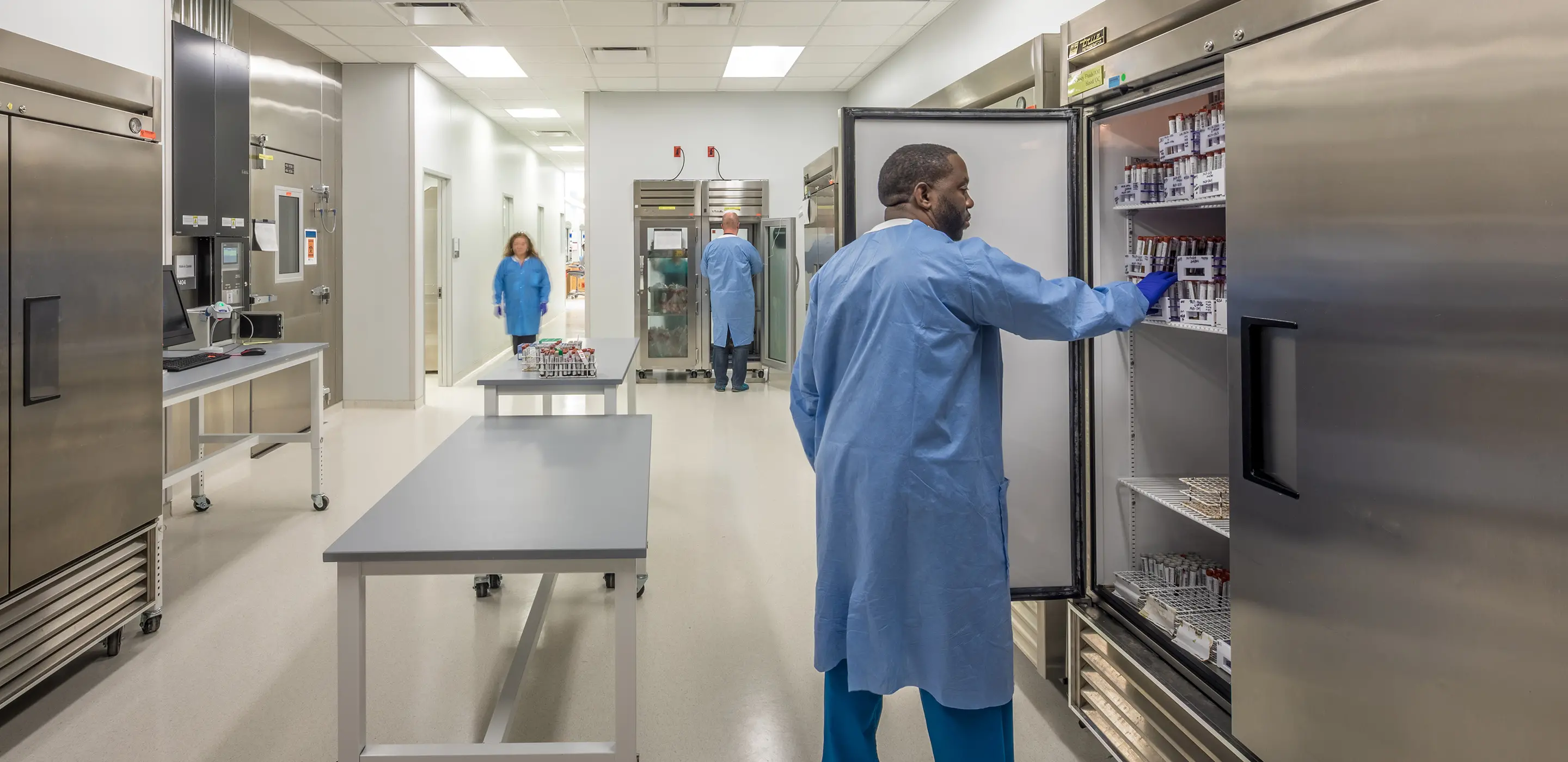
Designing for what's next in forensic science labs
Today, the way we use forensic laboratories is evolving and many facilities risk becoming obsolete if they are not designed for the realities of accelerating technological change. Current industry standards often fall short of keeping pace with the rapid evolution of forensic science technologies, resulting in facilities that risk becoming obsolete soon after completion with rigid layouts that lead to costly renovations and operational inefficiencies.
When designing forensic science labs, we see future-readiness not as a feature, but as a responsibility. This starts with shifting the mindset from fixed-function labs to adaptable ecosystems, from designing for “now” to designing for “what’s next.”
Here is what that looks like in practice:
Design for Modularity and Flexibility
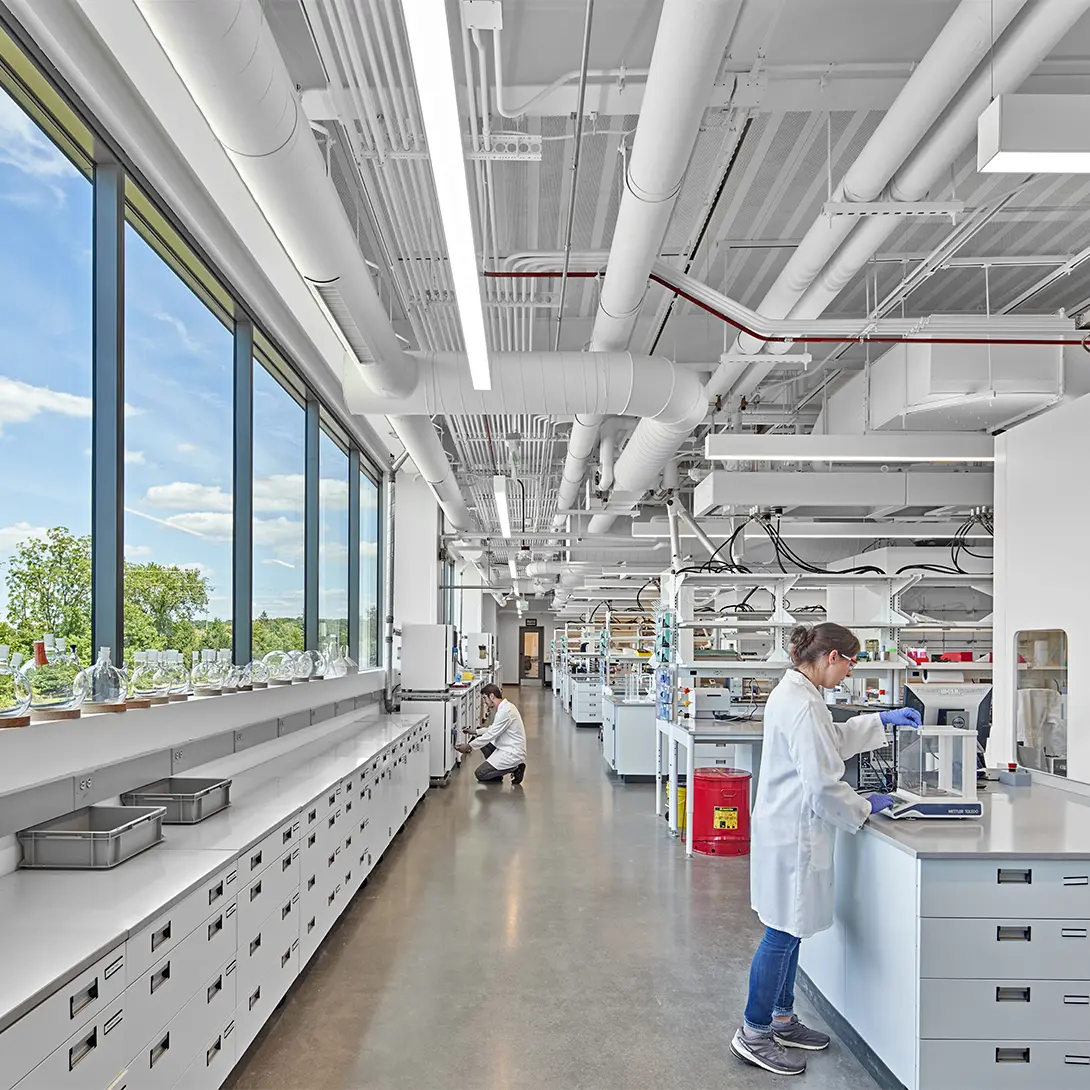
The most forward-thinking forensic labs are built to evolve. Modular designs based on an 11-foot planning grid (called the “Goldilocks” grid) balance space efficiency with ergonomic access and the ability to reconfigure laboratory benches, equipment, and workflows as needs shift. This kind of flexibility requires thoughtful attention to flow: of evidence, of people, of air, and data. Programming tools and scenario modeling help visualize circulation paths early, so that adjacencies and access points enhance, rather than hinder, operational integrity.
Integrate Technology Intelligently
New technologies, from AI-powered case analysis to digital evidence management, demand more than new hardware. They require infrastructure that can support dense bandwidth, secure storage, and real-time connectivity with national databases.
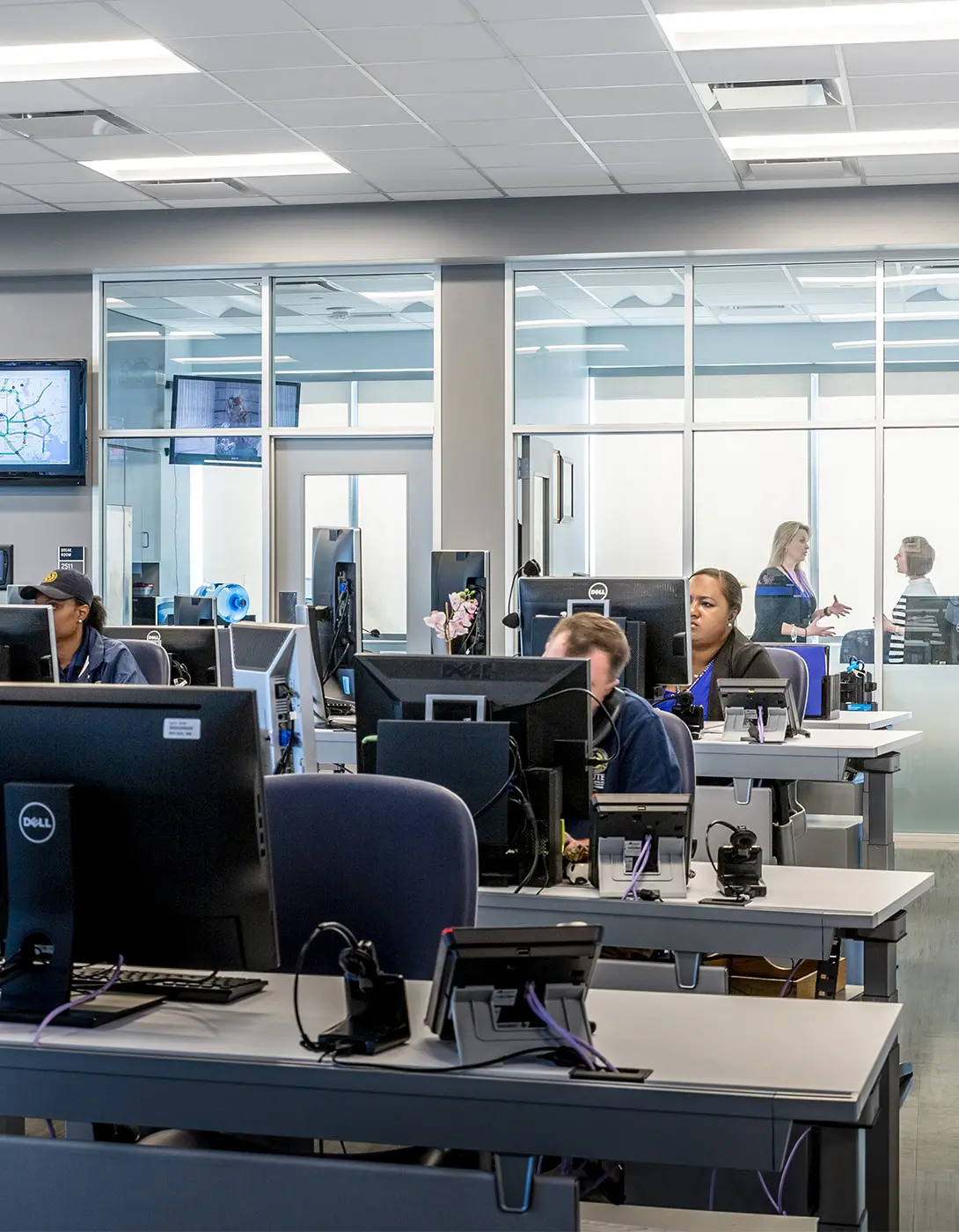
Future-ready labs should be equipped not only for today’s digital workflows but for tomorrow’s innovations: robotics enabled automation, cloud-based platforms, and edge computing.
Integrated systems planning, particularly involving IT, AV, and security, is critical to this vision.
Prioritize Environmental Performance
Energy-intensive lab environments are under increasing pressure to reduce emissions, operating costs, and environmental impact. Sustainable solutions like net-zero design strategies, closed-loop water recycling, and smart HVAC systems are becoming standard expectations.
By aligning with LEED, WELL, and state/ local mandates, labs can meet both accreditation standards and climate resilience goals. These efforts also yield measurable benefits in occupant wellness, operational cost savings, and long-term asset value.
Address Security and Chain-of-Custody Protocols
Security is foundational to forensic integrity. Future-proof facilities incorporate secure access controls, biometric ID systems, and redundant infrastructure to facilitate evidence chain of custody integrity and prevent data breaches. Emerging tools like blockchain-based evidence tracking and RFID integration offer new layers of accountability, minimizing the risk of tampering, loss, or procedural challenges in court.
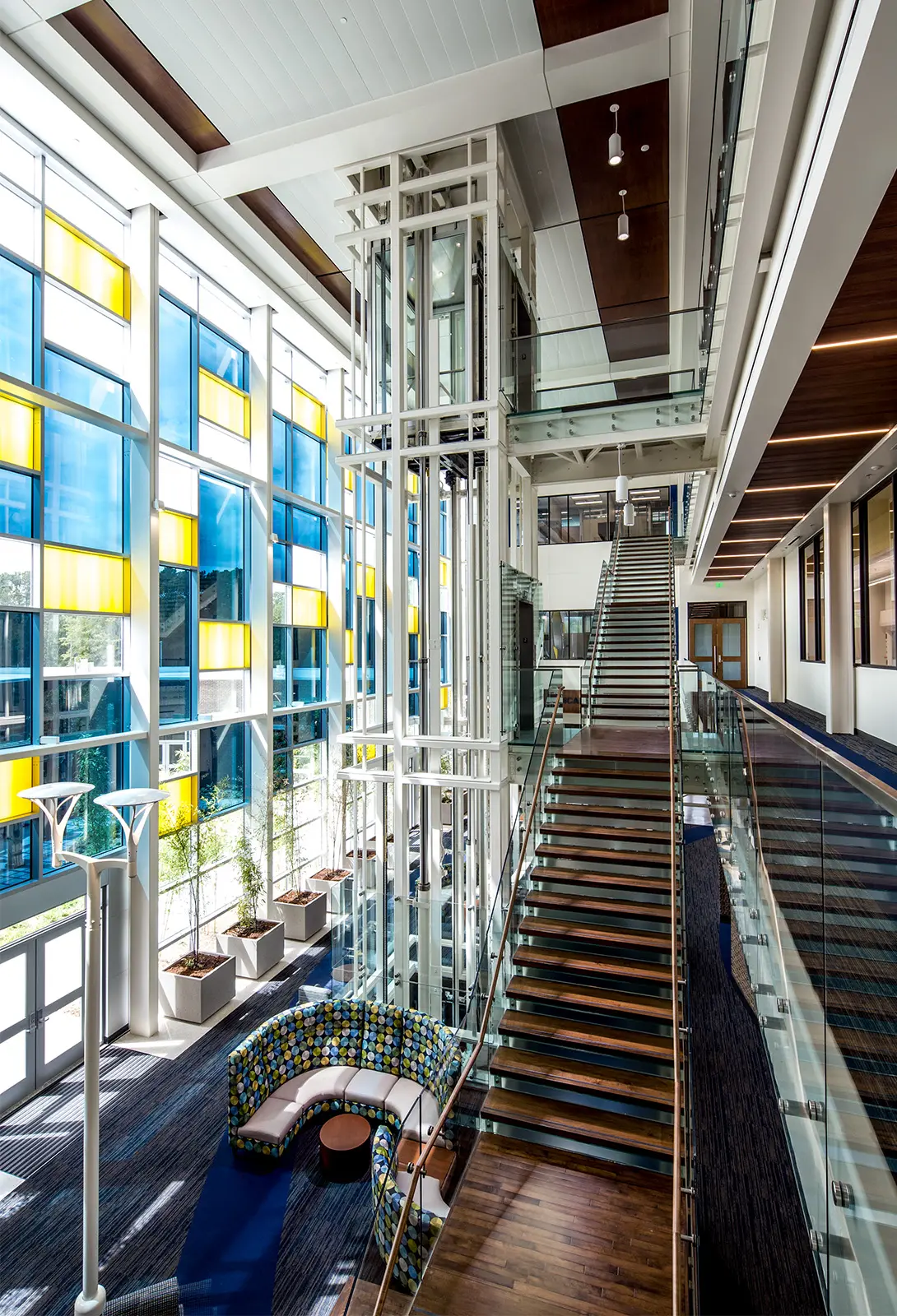
Design for the Workforce of Tomorrow
Recruitment and retention are becoming mission critical. Today’s labs must appeal to a more diverse, tech-savvy generation of professionals while also supporting experienced staff with intuitive tools and ergonomic environments. From ergonomic lab environments and digitally connected training areas to wellness-centered amenities, design can directly support mental health, collaboration, and continuous learning. Investing in people is one of the most strategic investments in performance and resiliency.
Empowering Forensic Discovery and Justice
Designing for forensic science demands more than meeting lab specs and building codes. It calls for bold thinking, integrated expertise, and a deep understanding of how science, technology, and people intersect. Future-ready labs must protect evidence, empower professionals, and actively accommodate the evolution of forensic practice.
In a field where precision and trust are everything, design becomes a critical partner in advancing discovery and justice. Together, we design for the integrity of your work and the communities it serves.