Four Strategies for Designing Beyond Day One
April 30, 2026
Designing for a longer life
Future-proofing is less about predicting what’s next and more about removing the barriers that make change difficult when it arrives.
FROM PREDICTION TO PREPARATION
Thoughtful design considers needs today in context of the evolving needs of tomorrow. It shifts the focus from prediction to preparation. The issue is not whether change will come, but whether a building can accommodate it without friction. Most buildings don’t fail because they’re no longer needed, but because adapting them becomes too costly or too disruptive to justify. These strategies address the decisions that shape that outcome early.
BUILD IN INFRASTRUCTURE FOR THE FUTURE
While we may not be able to see the future, we do know where buildings tend to resist change. Structure, system capacity, and immovable components like stairs and elevators often determine what a building can and cannot become overtime.
In situations where transformation is likely, planning for the most intensive plausible use case can reduce future cost and risk. Floor-to-floor heights, structural capacity, and the configuration of core circulation and infrastructure shape how easily a building can evolve without significant impact to primary systems.
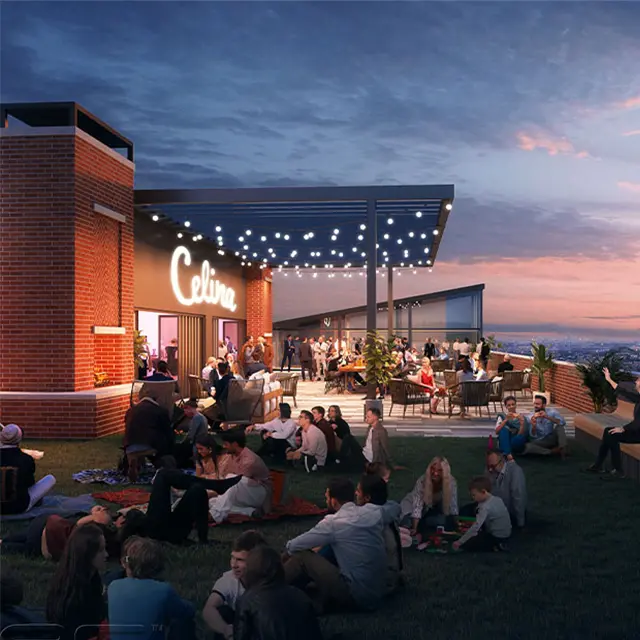
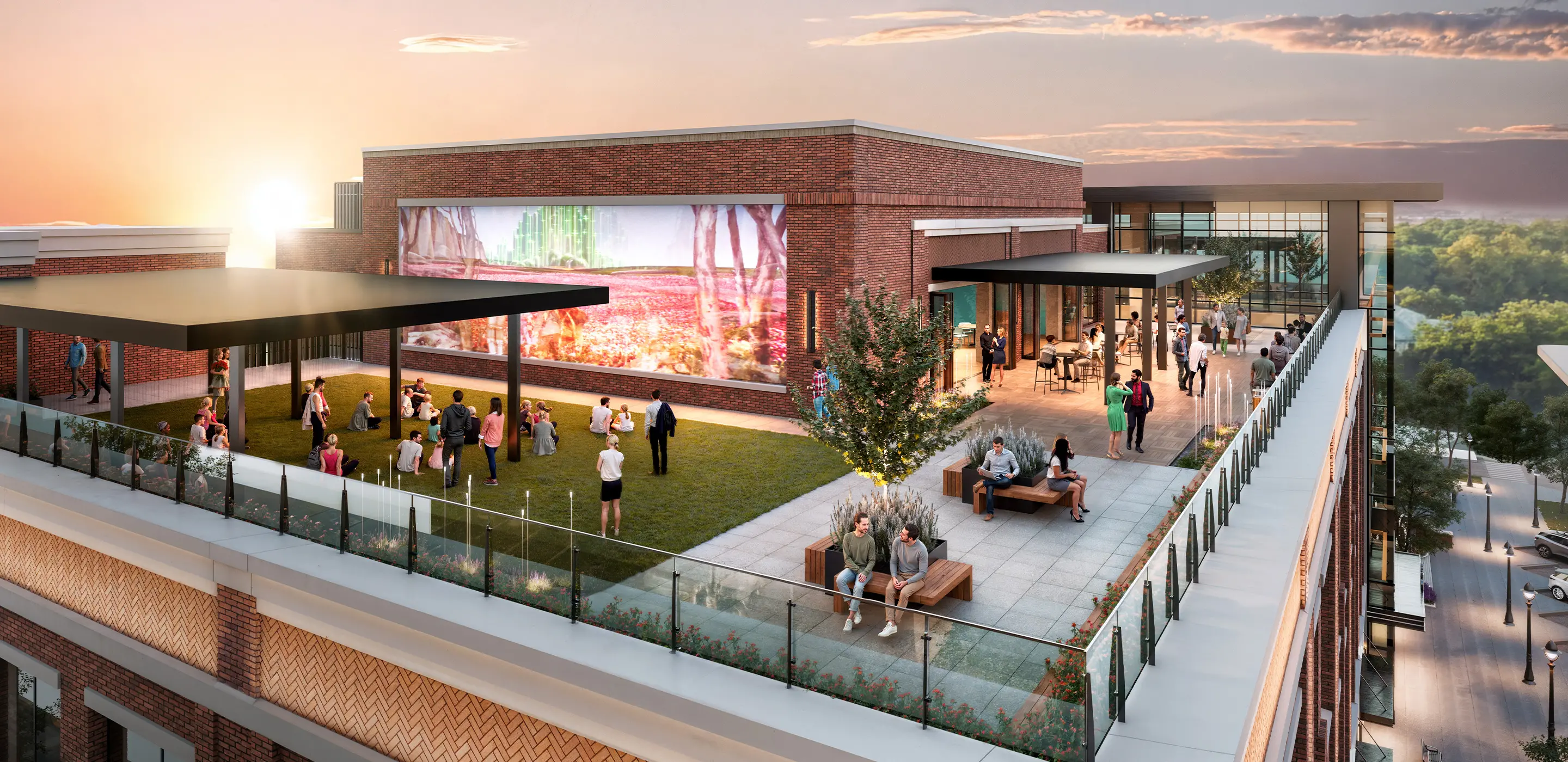
One recent project where this approach was embedded early is the new Downtown Center in Celina, Texas. The building will function as a municipal office building on day one, but designed with the town’s projected growth in mind, it carries the capacity to support a transformation into a 60,000 SF Library. Considerations for this future library state included the placement of elevators (to allow for future circulation desk visibility), the occupant load on each floor (higher for libraries than offices), and the HVAC capacity (increased demand). The result is not overbuilt, but prepared, with a structure and systems that are prepared to expand and evolve.
MAXIMIZE MULTI-USE
A common scenario, especially when creating new or as-yet-untested programmatic space, is uncertainty about how these spaces will be used over time. In these cases, maximizing flexibility in the initial buildout allows the space to support a range of activities as needs evolve.
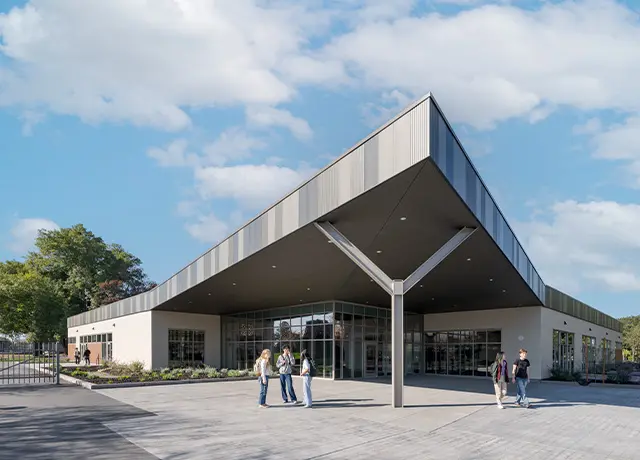
In the performing arts building at Yerba Buena High School in San Jose, California, the design supports both traditional classroom learning and a range of performance typologies, including those the department anticipated introducing in the future. Moveable and transformable components like overhead operable partitions, telescopic seating, and sliding glass walls allow the space to shift from day to day without losing functionality.
More importantly, the underlying proportions and access to light, acoustics, and infrastructure allow the space to function across scenarios, not just transform between them. The inherent flexibility ensures that regardless of which scenarios become dominant in the future, the building can support them
USE THE DESIGN AS A PROTOTYPE
The approaches above emphasize early forecasting for future uses. Especially for public projects, there can be pressure to “figure it all out” upfront, given limited funding and staffing for future changes. While that pressure is real, it can lead to decisions that lock in assumptions too early. And, perhaps more importantly, we may not have all the information needed to be effective forecasters.
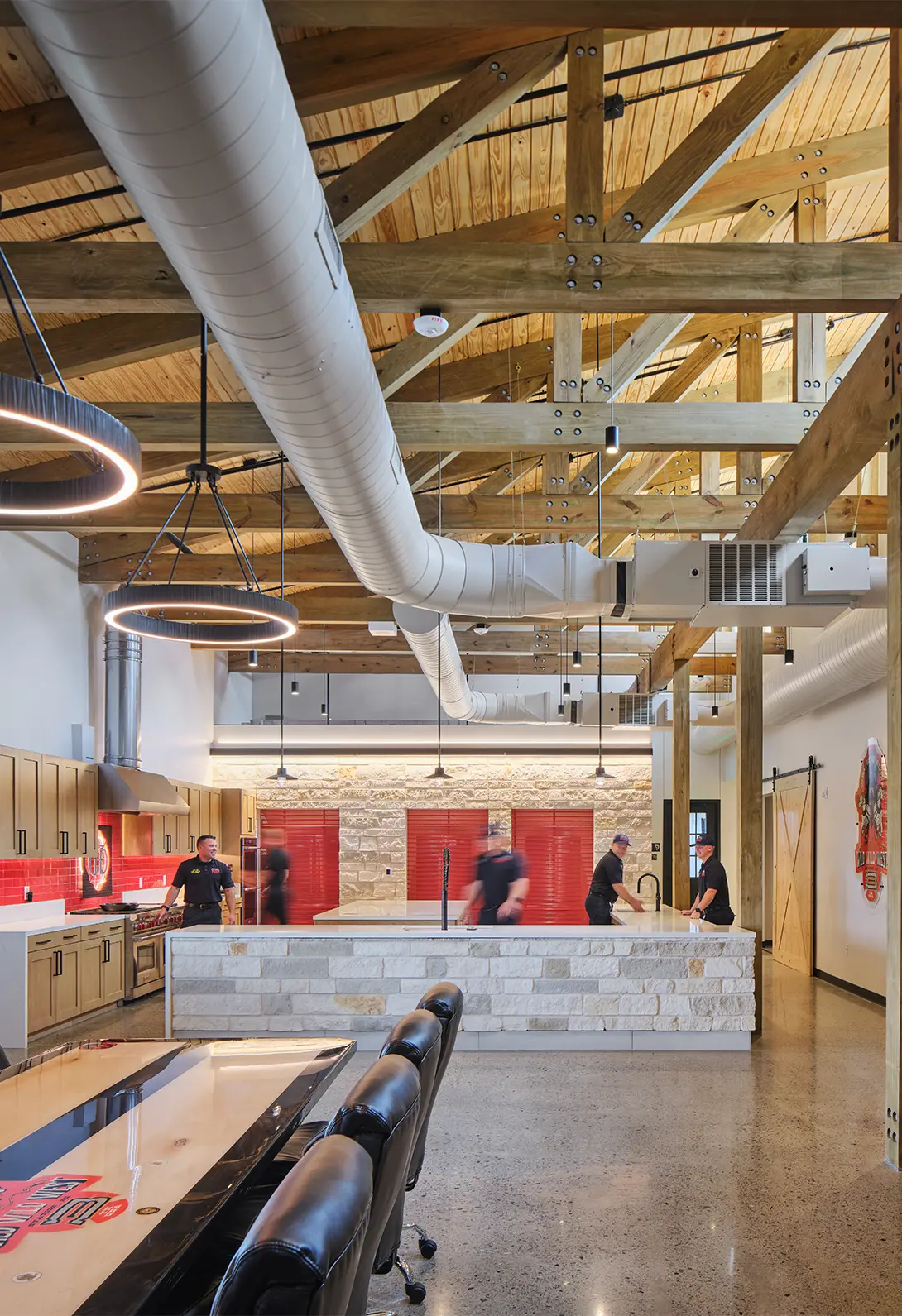
In these situations, there is also value in planning instead for a more iterative process to create opportunities for adaptation over time. FF&E procurement in particular can support this approach. Rather than making singular, permanent investments, organizations can test configurations, gather feedback, and refine over time.
We’ve seen how quickly workplace environments have shifted in recent years. Cities and institutions can apply the same thinking, using smaller, phased investments to learn what works before committing at scale.
PLAN
However, perhaps the most effective future-proofing strategy happens even before design begins. A robust planning and predesign effort can serve as a form of risk management against complex and expensive future changes.
From programming to site selection, these phases represent a small fraction of total project cost but carry disproportionate influence. They establish the logic that determines whether a building can adapt or must be reworked, and daylight challenges—whether operational, spatial, or programmatic, that shape the design criteria for future work, regardless of phase or scale
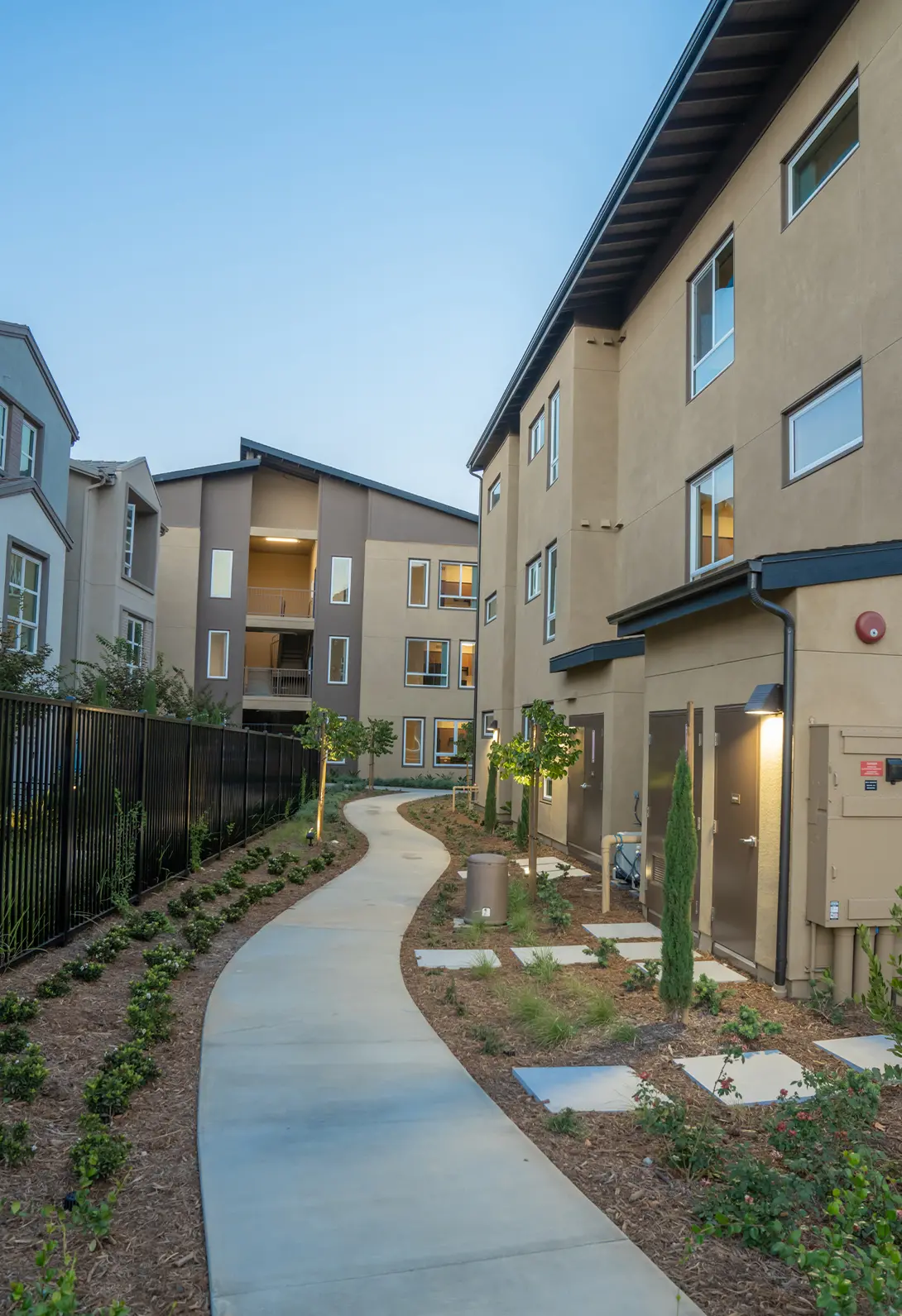
Early planning is most effective when it is comprehensive–In another recent project assessment phase, we combined programming, technical facilities assessments, site planning, and community engagement to do just that. For public agencies balancing immediate needs with long-term investment, this early work built consensus around near-term priorities while also establishing a roadmap for future phases.
BEYOND DAY ONE
Designing beyond day one is not about solving for a fixed future. It’s about early investigation, early criteria-setting and early prioritizing, to keep options open as conditions change. By having those conversations early, we help clients make smart decisions, reduce risk, and shape spaces that meet today’s needs while staying ready for what’s next.