Experiential Graphic Design in the New Hybrid Workplace
August 1, 2024
Making Your Workplace an Extension of Your Brand
What “going to work” looks like has changed. We are living in an era of transformation; one of hybrid work schedules and flexible arrangements.
As employees navigate this new era, the role of experiential graphic design (EGD) within office spaces has evolved to serve enhanced functions that are both practical and cultural, yet many clients are either not utilizing it to its full potential, or they’re leaving it off the table completely, thinking it’s a “nice to have” or an unnecessary additional service. Here are the two biggest value drivers that a quality, embedded experiential graphic design approach can bring to your office:
Practicality
Practically speaking, at a minimum, experiential graphic design plays a crucial role in facilitating navigation and ease of use within the hybrid workplace. If employees come to work an environment that they don’t see regularly, how can we expect them to feel a sense of ownership in the space? They don’t know where the restrooms are, they can’t find coffee mugs, they feel like awkward guests in an environment they’re supposed to feel at home in. With employees spending less time physically present in the office or coming in sporadically, it’s essential that when staff do return, the space is intuitive and anxiety-free.
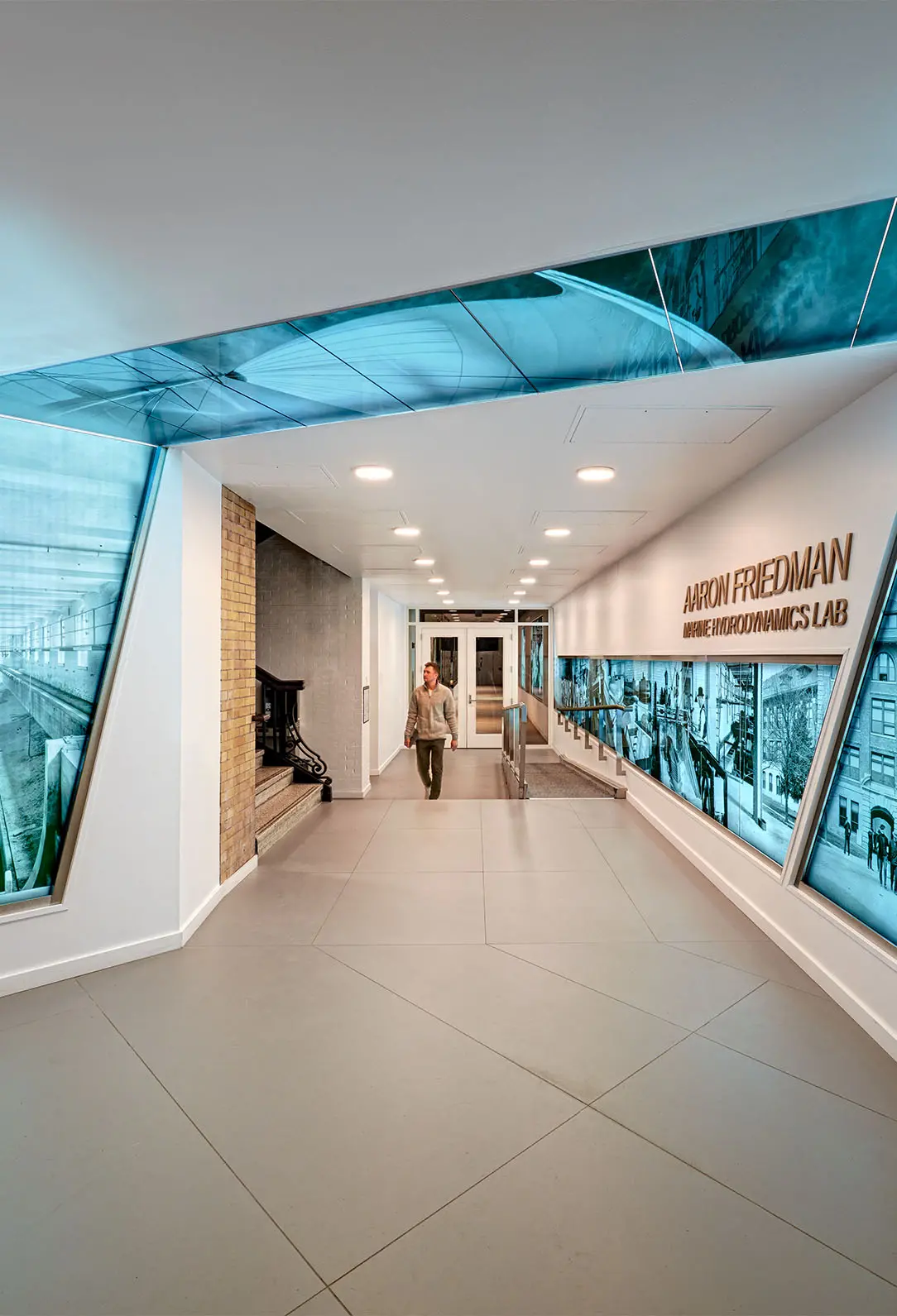
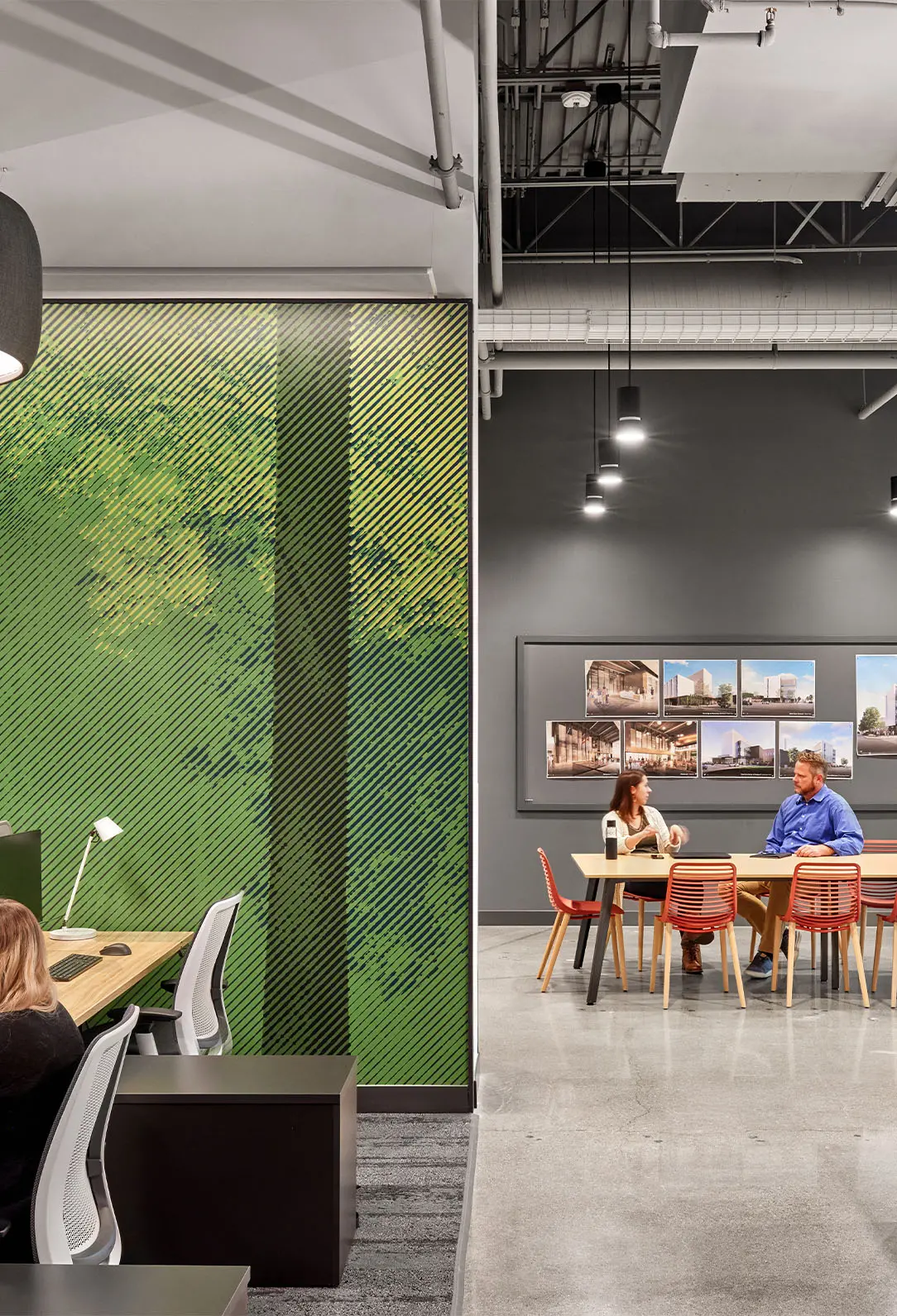
Experiential graphics offer clear wayfinding, guiding employees to essential areas such as supplies, restrooms, and amenities. By leveraging design elements that are both visually appealing and functional, the office becomes a seamless environment where employees can focus on their tasks without the added stress and alienation of navigating a confusing layout.
Culture
Beyond its practical applications, experiential graphic design serves a vital cultural function in the hybrid workplace. Its true power lies in its ability to cultivate a sense of purpose and belonging among employees, echoing the timeless tale of the NASA janitor. In the early 1960s, amidst the fervor of the Apollo program, President John F. Kennedy encountered a janitor at NASA’s headquarters and asked, “What do you do here?” The janitor’s response was profound: “I’m helping to put a man on the moon.
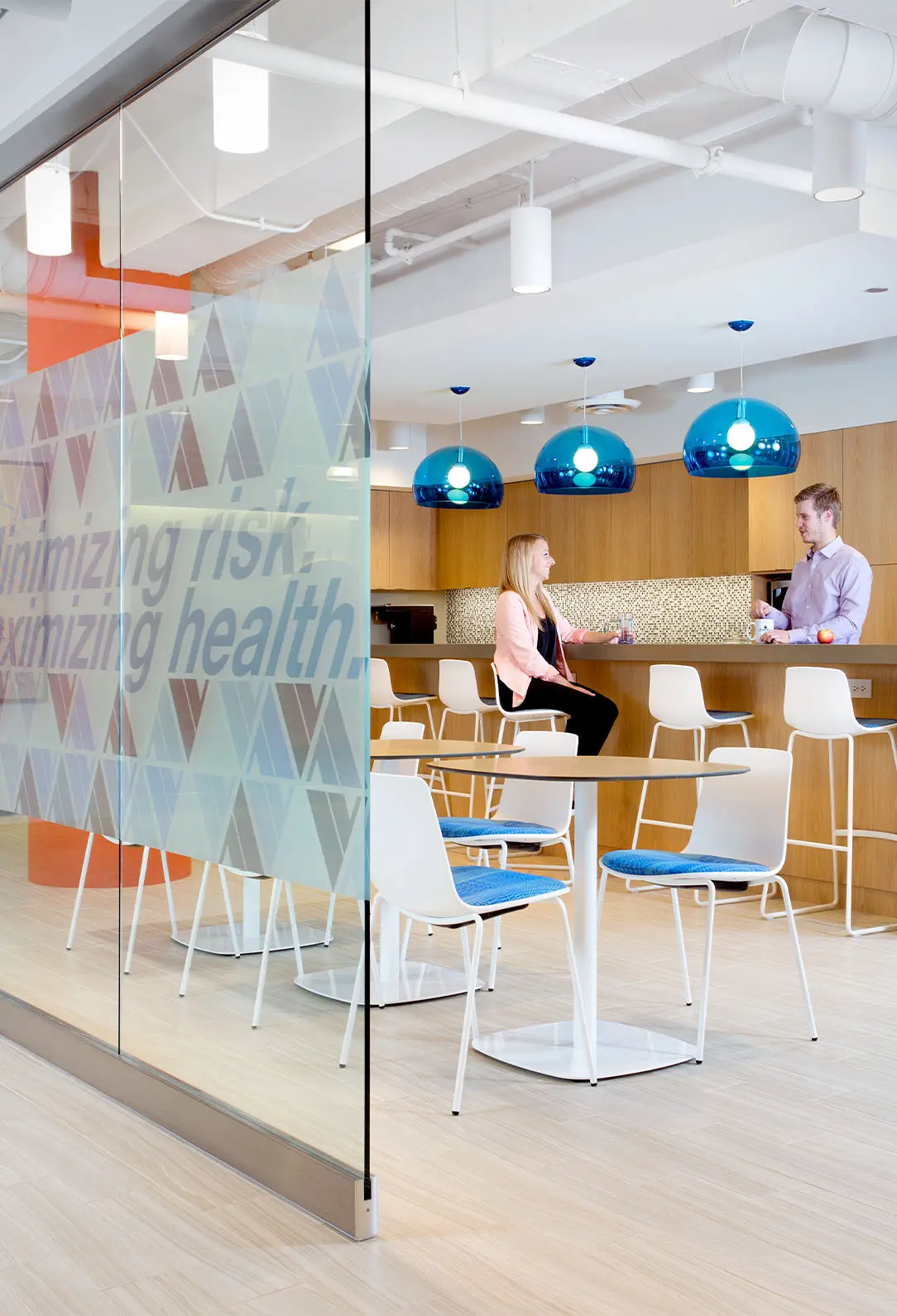
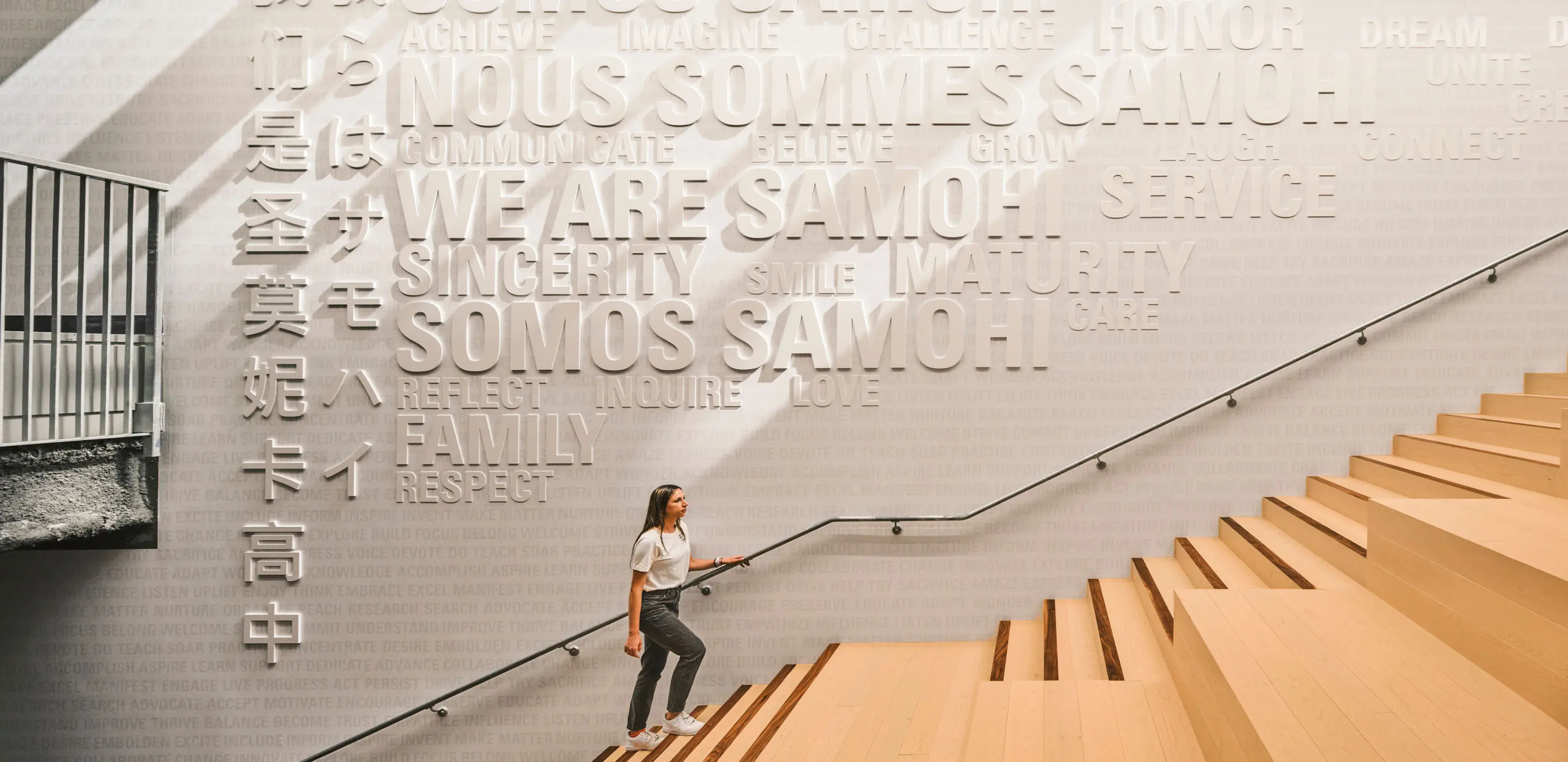
This anecdote encapsulates the essence of organizational culture and mission alignment. Just as the janitor understood his role in the grand pursuit of space exploration, every employee should feel connected to the larger purpose of the business. Experiential graphics play a pivotal role in this narrative, serving as visual reminders of the organization’s mission, vision, and values. These graphics serve as constant reminders of the organization’s overarching goals, inspiring employees to see themselves as integral parts of the larger mission.
This cultural aspect of experiential graphic design has tangible effects on employee engagement and retention. Research from Gallup has shown that employees are more likely to stay with companies whose values align with their own.
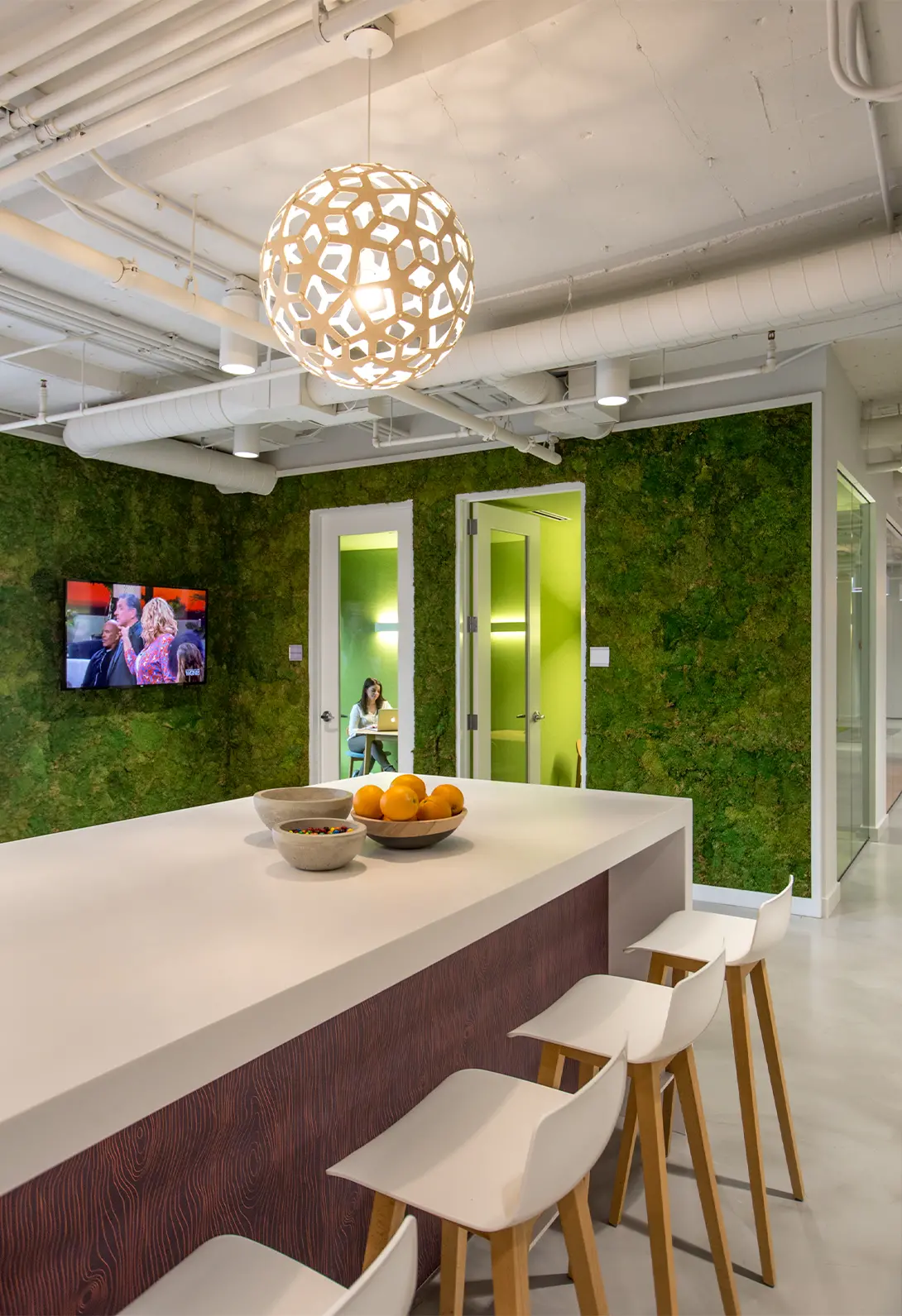
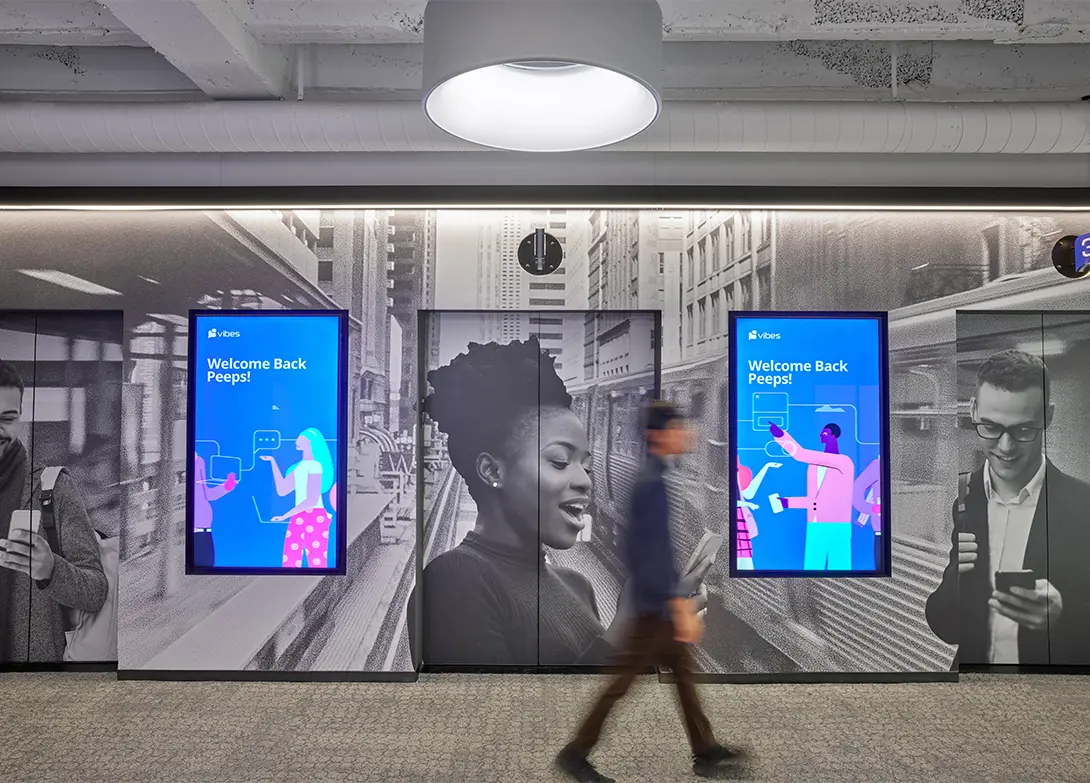
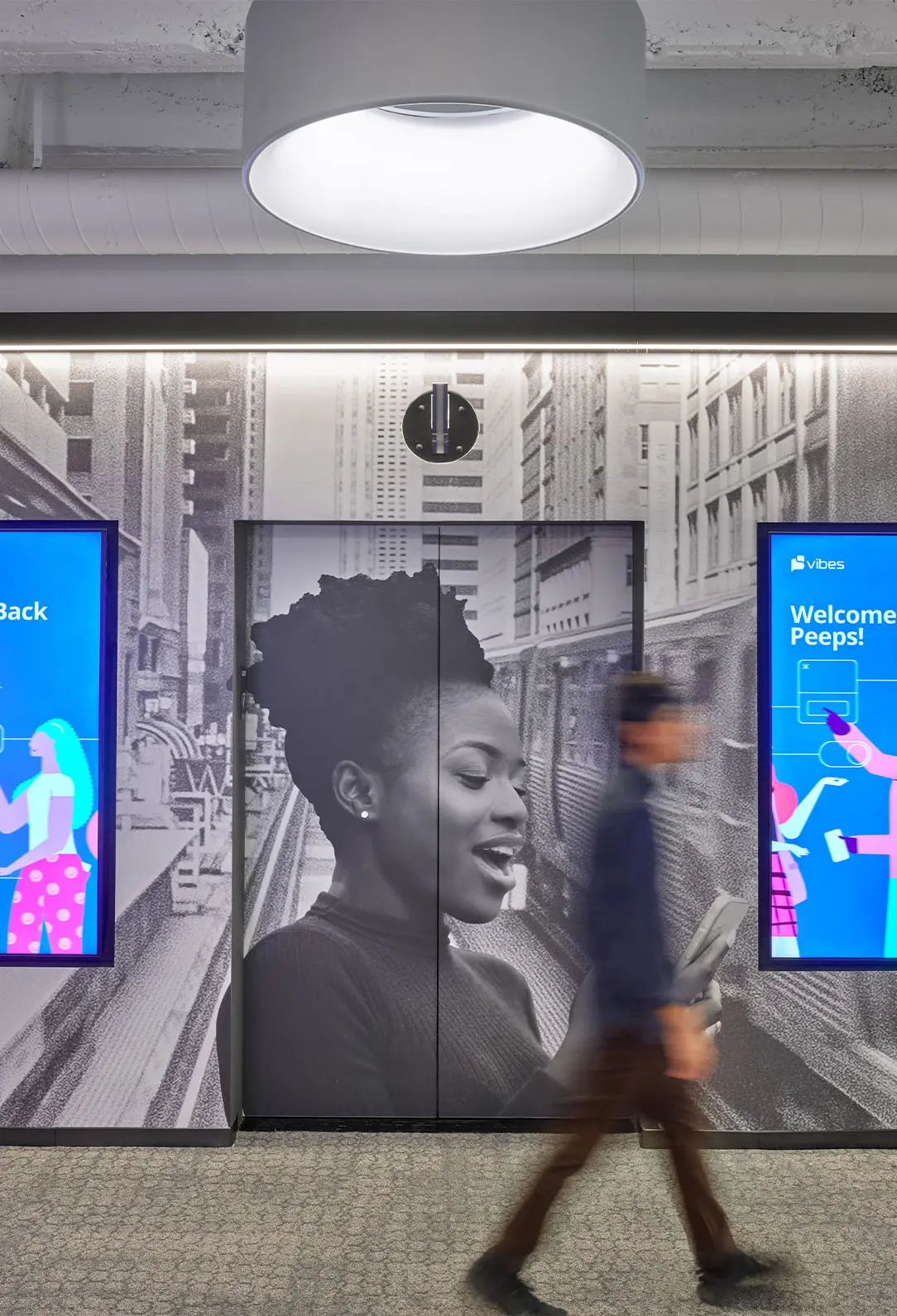
By creating visually engaging spaces that reflect the company’s identity and values, employers can ensure that even in a dispersed and hybrid workforce, employees remain connected and engaged with the larger mission.
Creating a Sense of Place
In the hybrid workplace, where physical presence may be limited, experiential graphics become a powerful tool for maintaining organizational culture and fostering a sense of community among dispersed teams. The correlation between employee engagement and business profitability underscores the significance of experiential graphic design in the hybrid workplace.
Companies with highly engaged workforces are 21% more profitable and 17% more productive than those with disengaged staff, highlighting the tangible impact of a strong organizational culture. Despite a rise in US worker engagement levels in 2023, only one-third of employees are currently engaged at work, with 16% actively disengaged.
As organizations continue to adapt to the realities of the hybrid workplace, experiential graphic design emerges as a vital tool for fostering connectivity, engagement, and alignment. By combining practical utility with cultural resonance, it transforms the office environment into a space that is both functional and meaningful, ensuring that employees feel valued, inspired, and united in their pursuit of the company’s mission.