Designing the Hospital Discharge Lounge for Efficiency and Care
October 10, 2023
Designing Lounges That Restore Flow and Focus
Discharge lounges are an effective solution for managing the overflow and congestion often experienced in hospital emergency departments (EDs). They are uncommon in most systems, but in conversation with clients, they have been found to be invaluable for space-constrained treatment bays or urban hospitals.
WHAT IS A DISCHARGE LOUNGE?
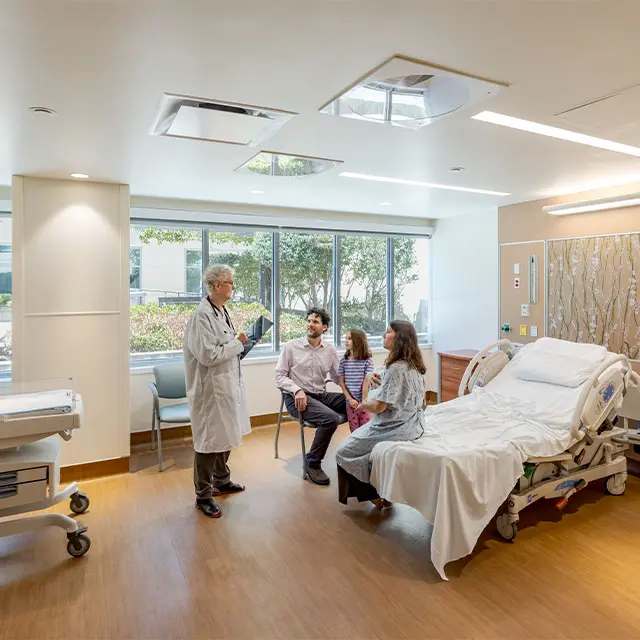
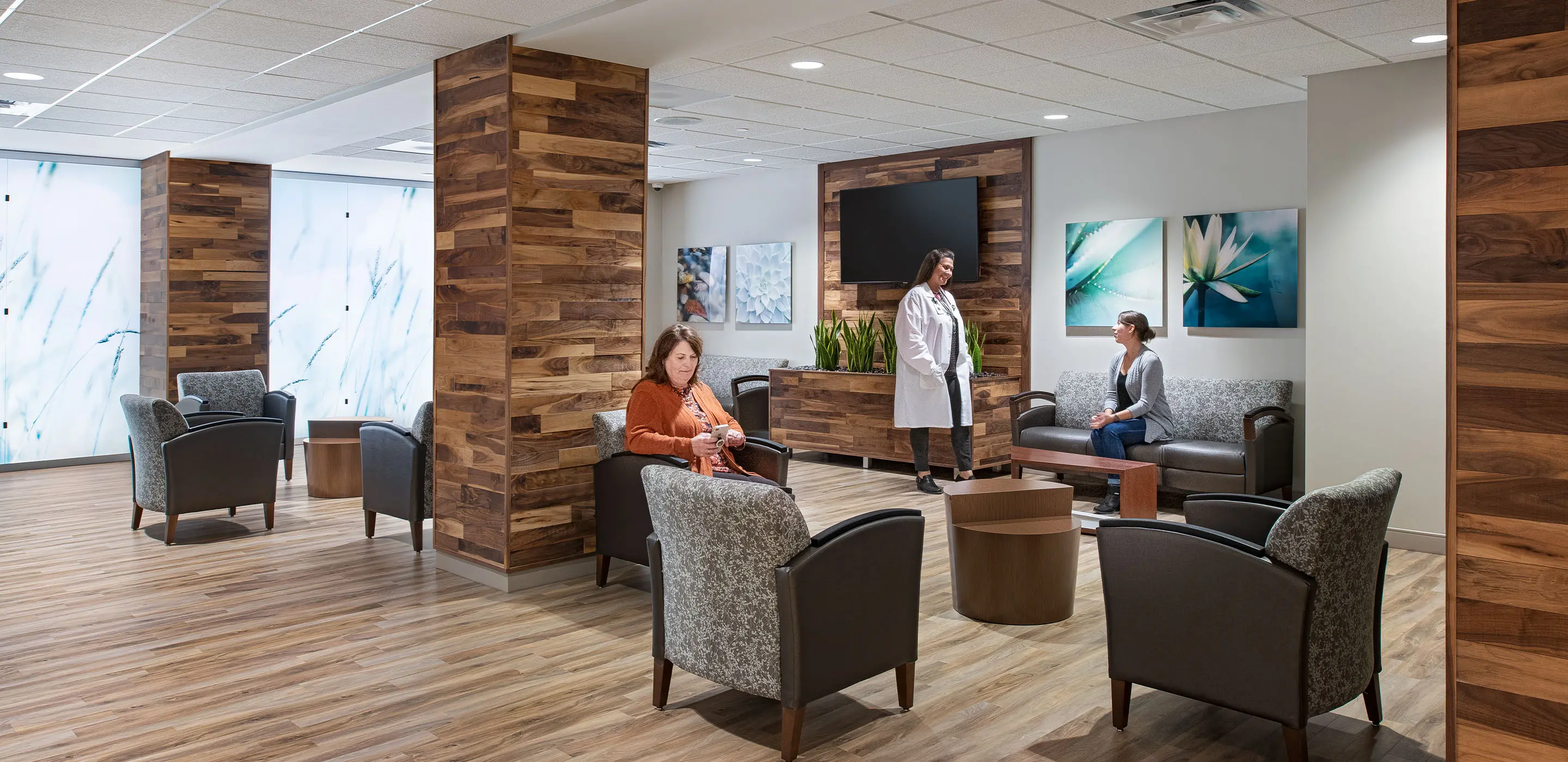
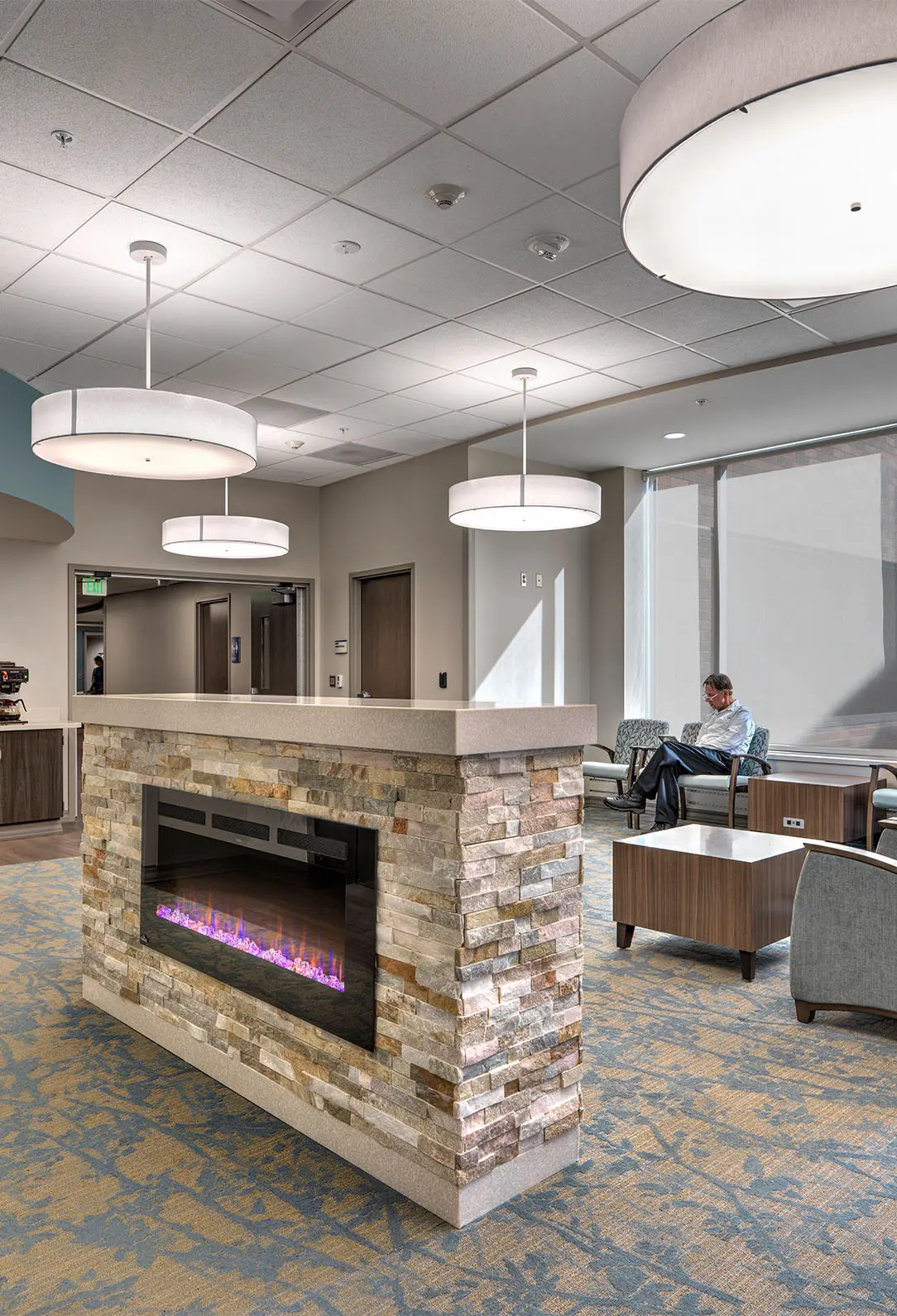
A discharge lounge is essentially a waiting area or place to hold patients whose condition is not severe enough to require a bed or continued treatment. Discharge lounges are designed with patient comfort in mind.
These spaces are typically less clinical and more relaxed compared to the busy ED environment, fitted with lounge chairs and usually a single observing nurse. Patients awaiting discharge can rest in a comfortable setting with entertainment options and refreshments, creating a more positive experience for patients while relieving congestion in the ED.
Discharge lounges can serve as a transitional space between the ED and other healthcare settings. For patients who need to be transferred to observation units, inpatient wards, or other facilities, the lounge provides a suitable location for them to await these transitions. They also provide a dedicated space for the final stages of the discharge process as a less hectic area to review post-discharge instructions, medication plans, and follow-up appointments with patients and their families.
WHY HOSPITALS NEED DISCHARGE LOUNGES
One of the primary benefits of discharge lounges is their ability to alleviate congestion within the emergency department, including:
Reduction in ED Wait Times
With discharge lounges in place, ED wait times decrease significantly. Patients awaiting discharge are not occupying treatment spaces, allowing incoming patients to be seen more promptly.
This streamlined process enhances the hospital’s ability to meet patient demand while maintaining a high standard of care.
Rapid Patient Throughput
Discharge lounges facilitate quicker patient turnover. When patients who no longer require acute care are moved to these lounges, their beds in the ED are vacated for new patients. This expedites the assessment and treatment of incoming patients, reducing wait times and ensuring that critical cases receive timely attention.
Past clients have told us that after the inclusion of a discharge lounge, their throughput in the ED increased by 20%.
Potential Cost Savings
While there is an initial investment in creating discharge lounges, the long-term benefits can result in cost savings. With better patient flow and reduced wait times, hospitals can optimize their resource utilization, potentially decreasing overall operational costs and enhancing revenue generation.
Acute care beds and critical medical equipment are reserved for patients who require immediate attention, allowing medical personnel to focus on the patients who need their expertise the most.
Flex Space
Discharge lounges make for great as needed space during surges. Because of their proximity to the ED, during the pandemic several of our clients approached us to rapidly convert their discharge lounge into additional bedspace.
Discharge lounges play a pivotal role in addressing the challenges of emergency department overflow. By offering a space for stable patients awaiting discharge, hospitals can effectively manage patient flow, reduce congestion, and enhance overall patient care.
Designing for Patient Wellness
These lounges not only improve patient experiences but also throughout, resource utilization, and cost-effectiveness. As healthcare institutions continue to seek innovative solutions for enhancing their services, discharge lounges stand out as a valuable strategy for optimizing emergency department operations.