Scientific Spaces for a Modern Workforce
October 26, 2024
Clean Spaces for Complex Needs
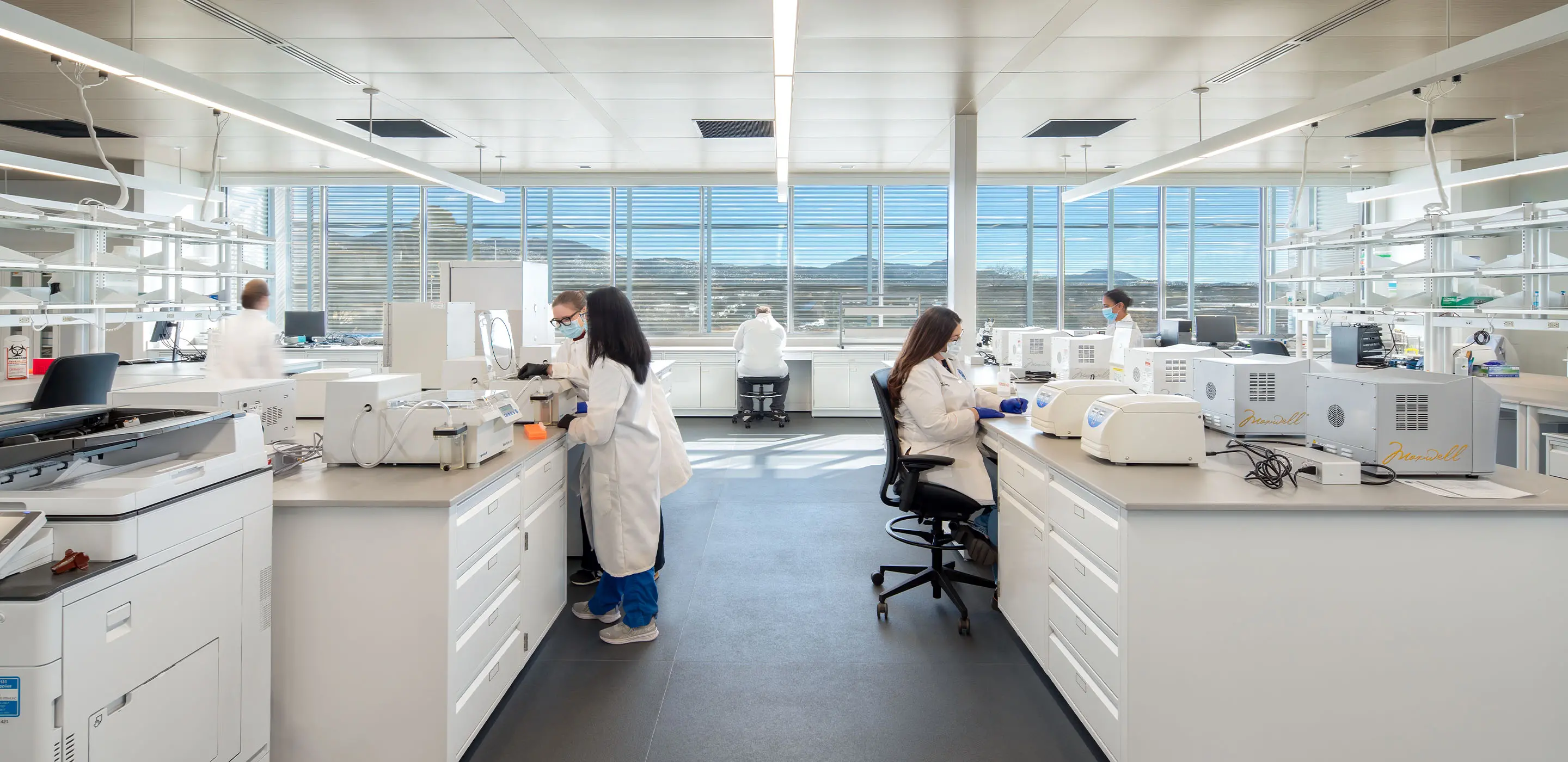
The landscape of research and development spaces is evolving rapidly to meet the dynamic needs of a modern workforce that values amenities, collaboration, and resilient and beautiful finishes. The concept of the “divergent laboratory” is central to this evolution, embodying a space that supports adaptive and creative processes in an inclusive way while enabling teams to expand and contract as needed. These elements can enhance the lab space to attract and retain top talent.
Key Features of Divergent Laboratories
Modular Planning Grid
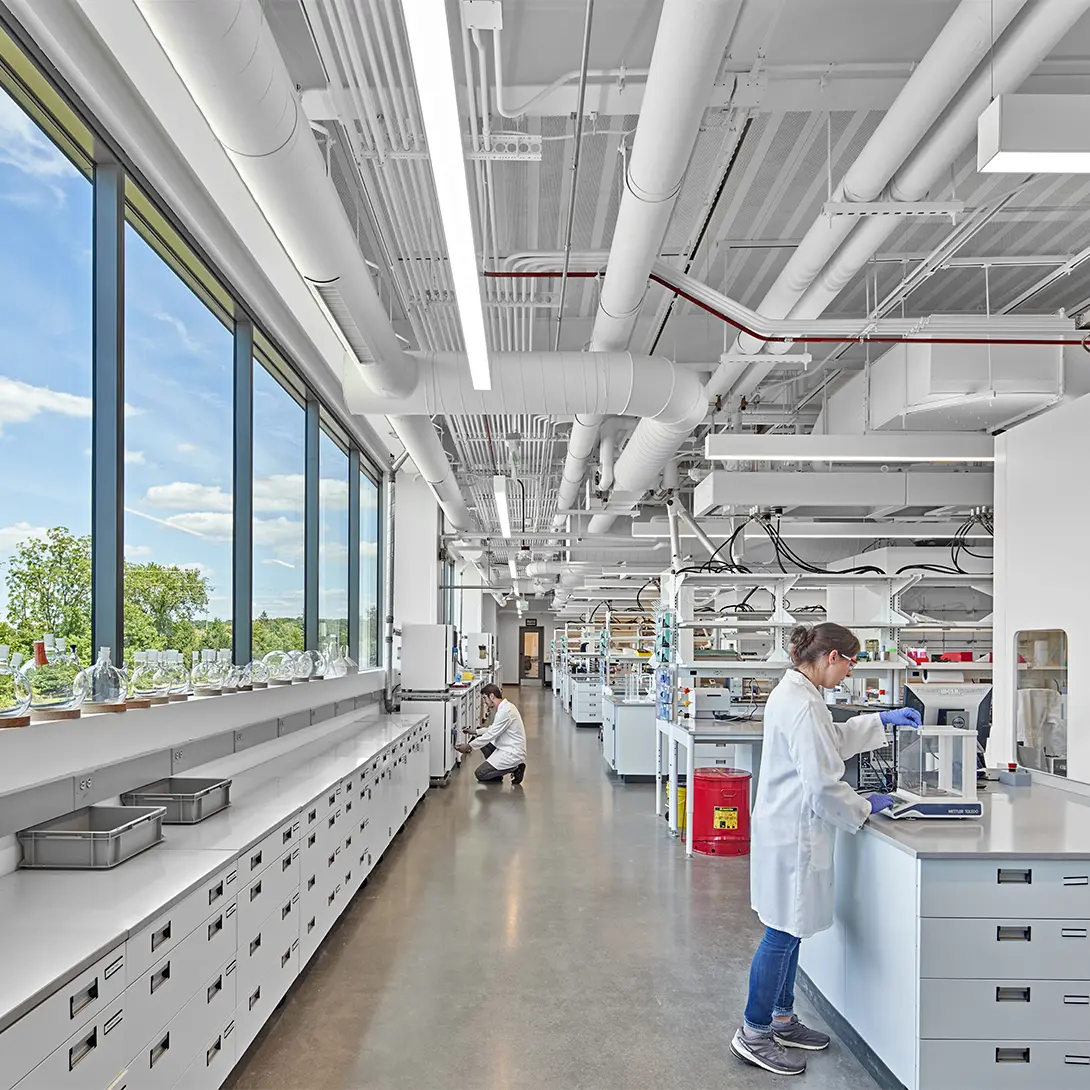
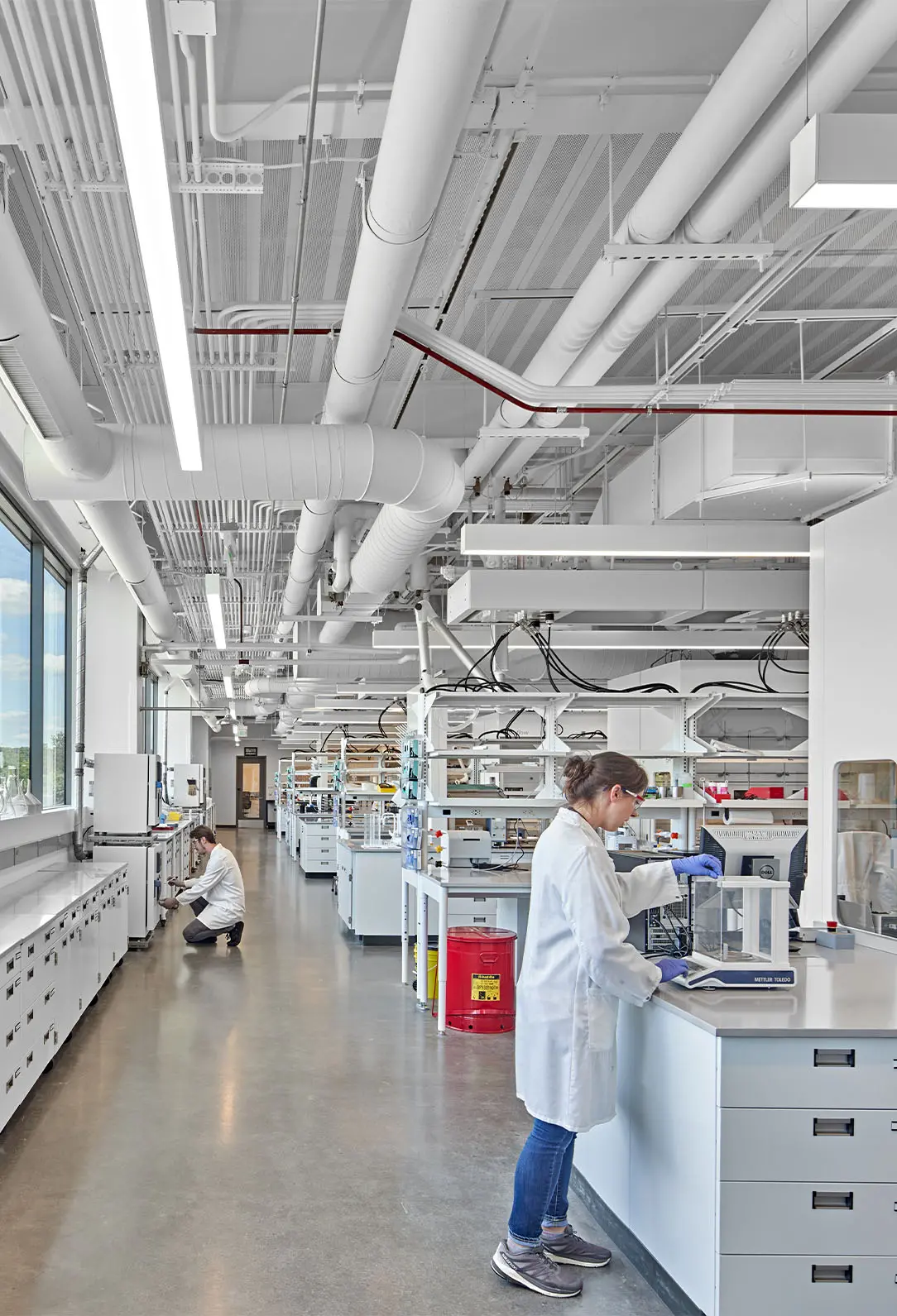
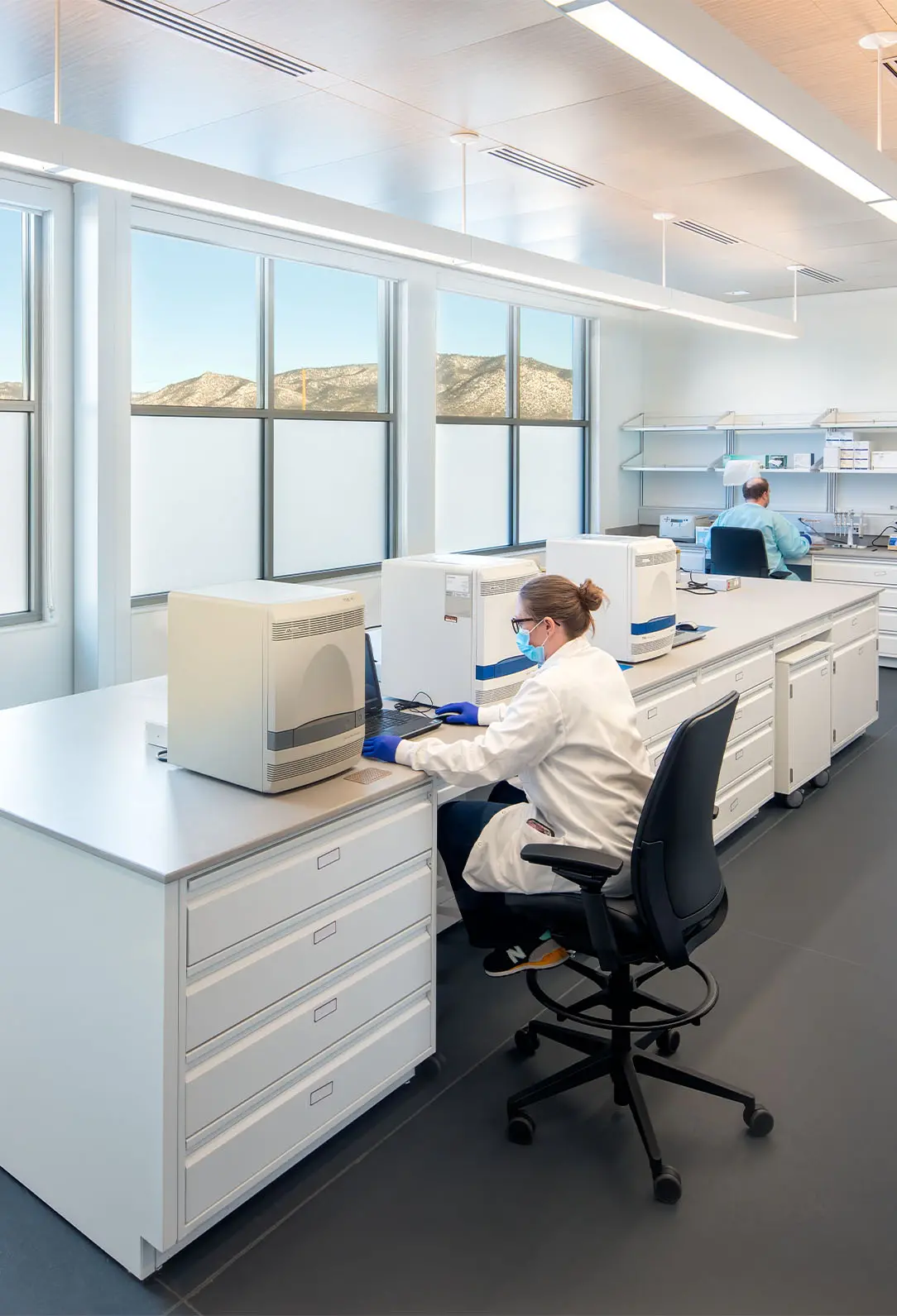
Utilizing a modular planning grid as the backbone of the design allows for optimal planning and reconfiguration. This modularity enables the movement of walls, the incorporation of glass for open views and natural light, and the quick adaptation of spaces to new research modalities or equipment.
Adaptive Spaces
These laboratories are more than just flexible; they are designed to evolve as science and research evolve. Systems are mobile, modular, and componentized, allowing spaces to morph in response to changing research or teaching needs by supporting new methodologies, instruments, and ways of sharing data. Whether work is team-centered or individual-focused, the space supports these shifts seamlessly.
Technology Integration
In today’s data-driven economy, deep integration with technology is essential. Divergent laboratories must support advanced imaging, cloud-based research, and the outsourcing of specific experiments, facilitating global collaboration.
Safety and Cleanliness
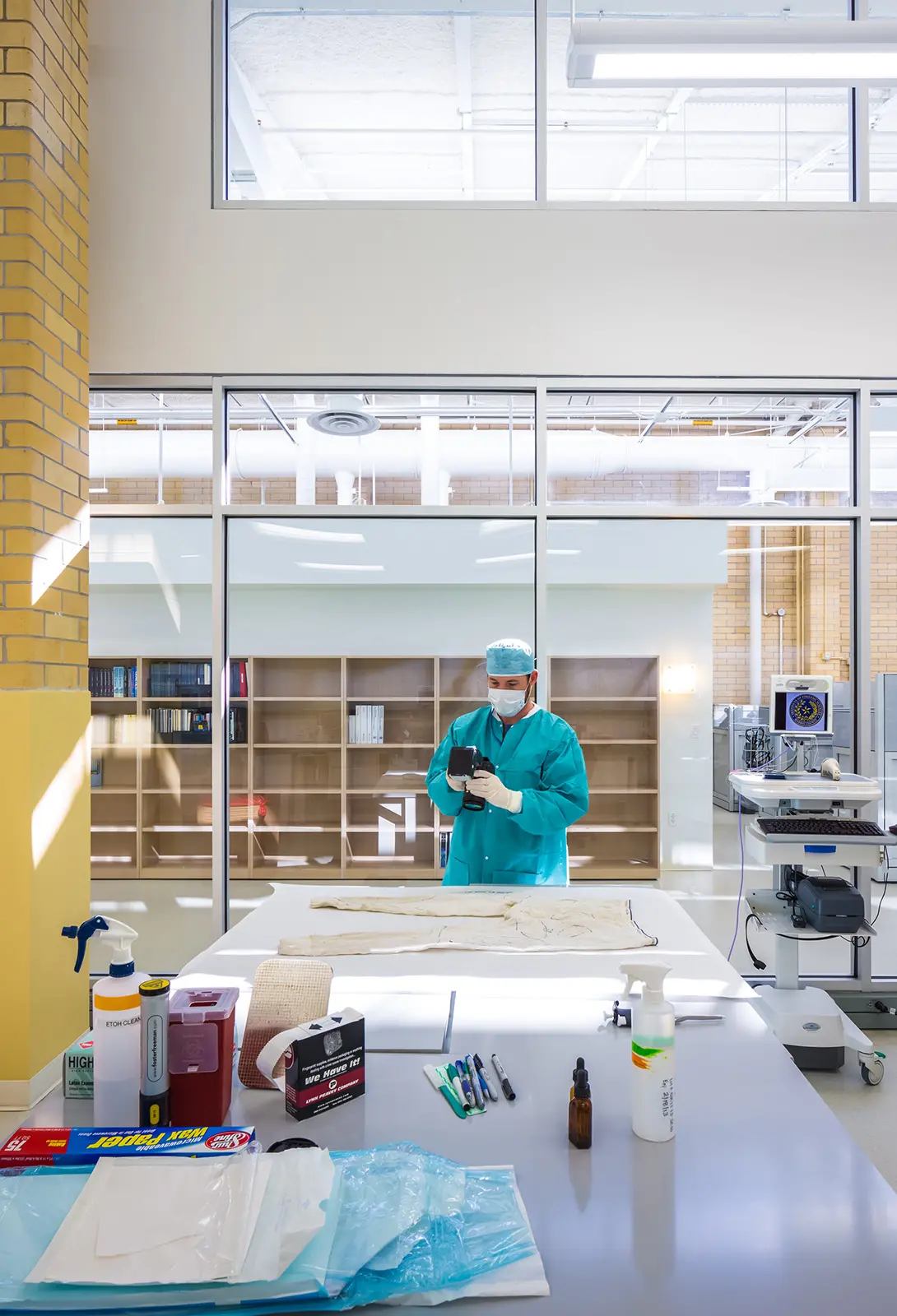
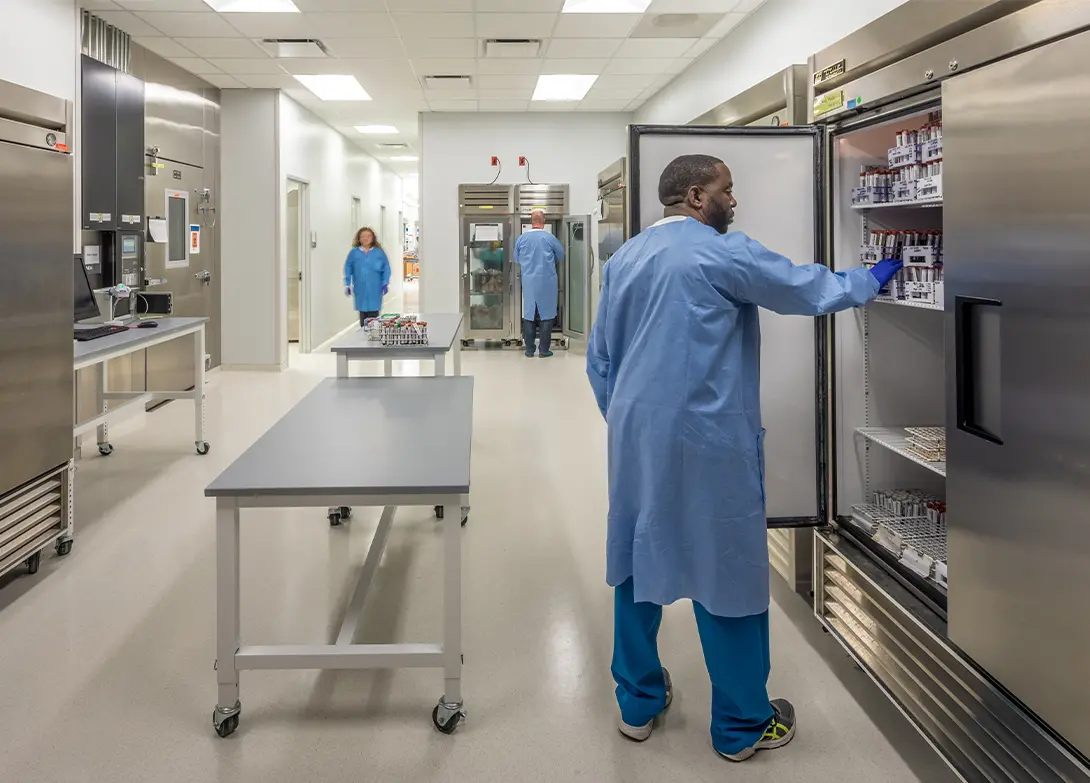
Safety remains paramount in any scientific environment. This involves meticulous planning for managing materials, personnel, and equipment, along with PPE and safety systems.
Post-COVID-19, additional measures such as increased air changes, filtration, UV light cleaning processes, antimicrobial surfaces, and touchless controls have become critical.
Sustainability
High-performance, innovative mechanical systems and control systems that monitor air quality are crucial. Sustainable design features, like those seen in LEED-Gold certified buildings, demonstrate a commitment to safeguarding natural resources while supporting robust research activities.
Sprezzatura
The art of making something difficult look easy takes a nuanced approach. Applying the concept of “sprezzatura” to lab facilities means recognizing that the whole lab facility is greater than the sum of its parts. Lab facilities are not just one space typology; they also contain the intersections of very different space uses, fostering the collision of ideas to further scientific advancement. A lab doesn’t stand alone—it is an integral part of the landscape of spaces and experiences that make up a building.
Through understanding our clients’ goals, HED implements strategies that focus on creating a design that provides results and develops a holistic environment for scientific discovery that supports both science and institutional culture for the long term.
Social and Collaborative Spaces: Fostering Innovation Through Interaction
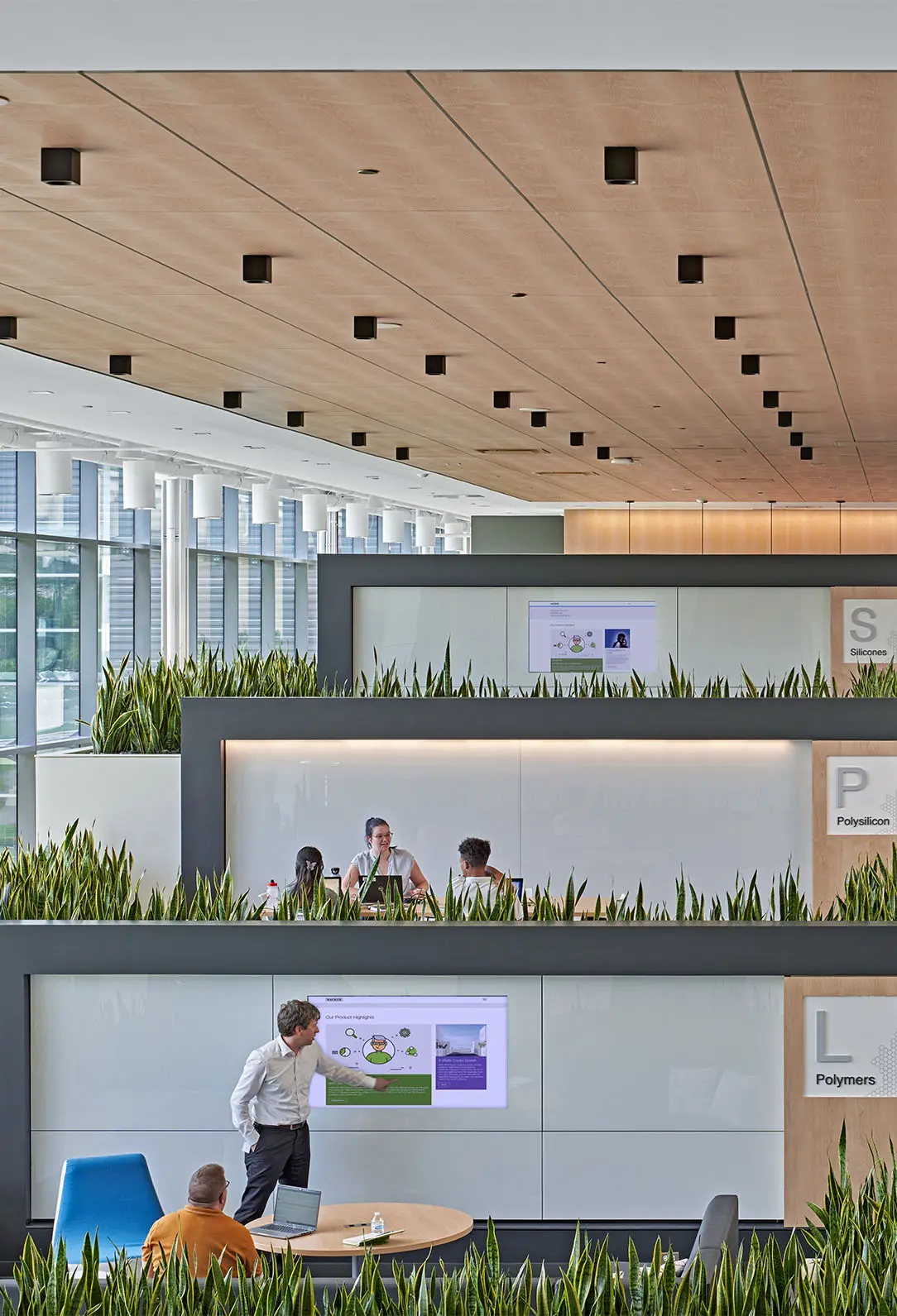
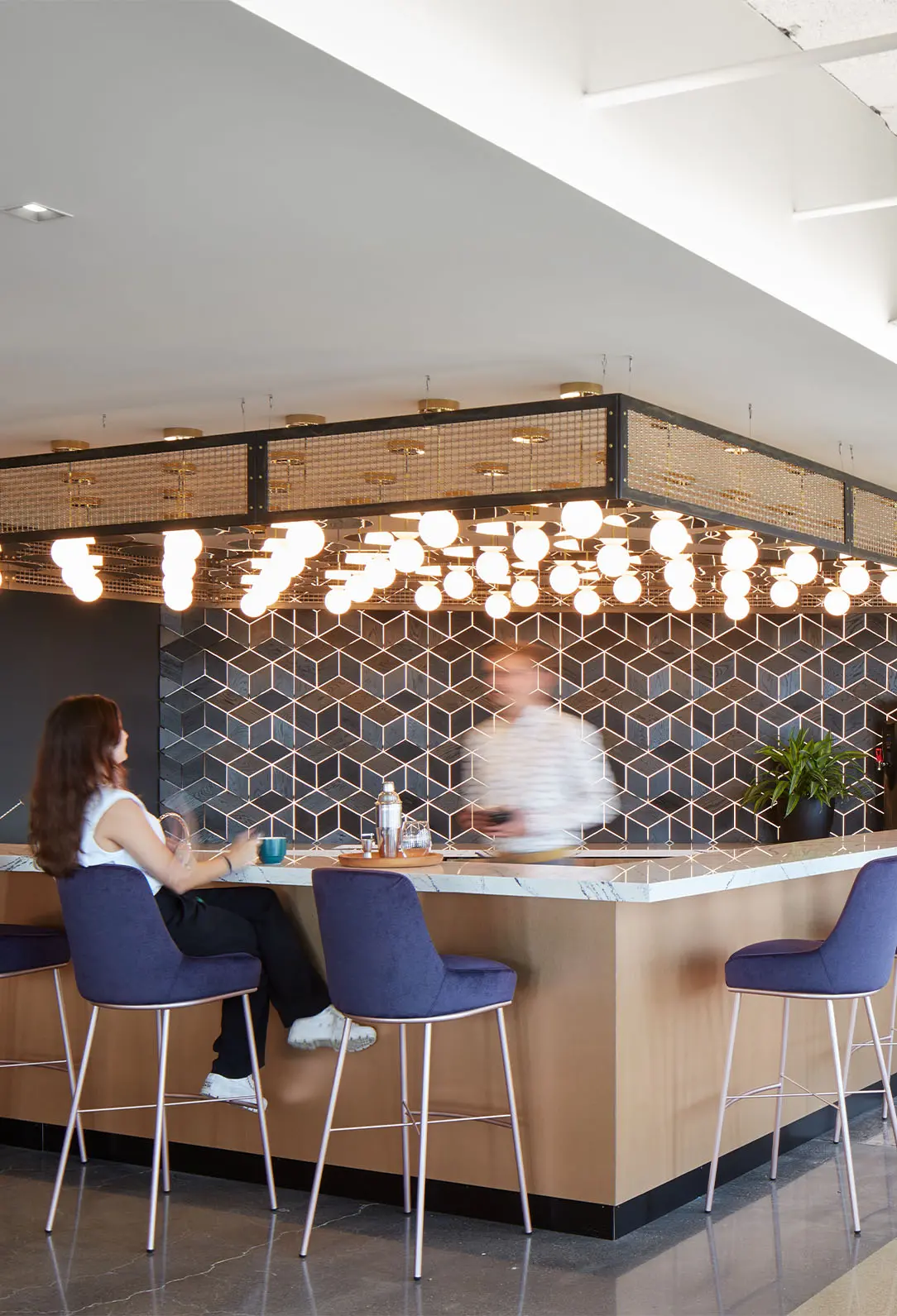
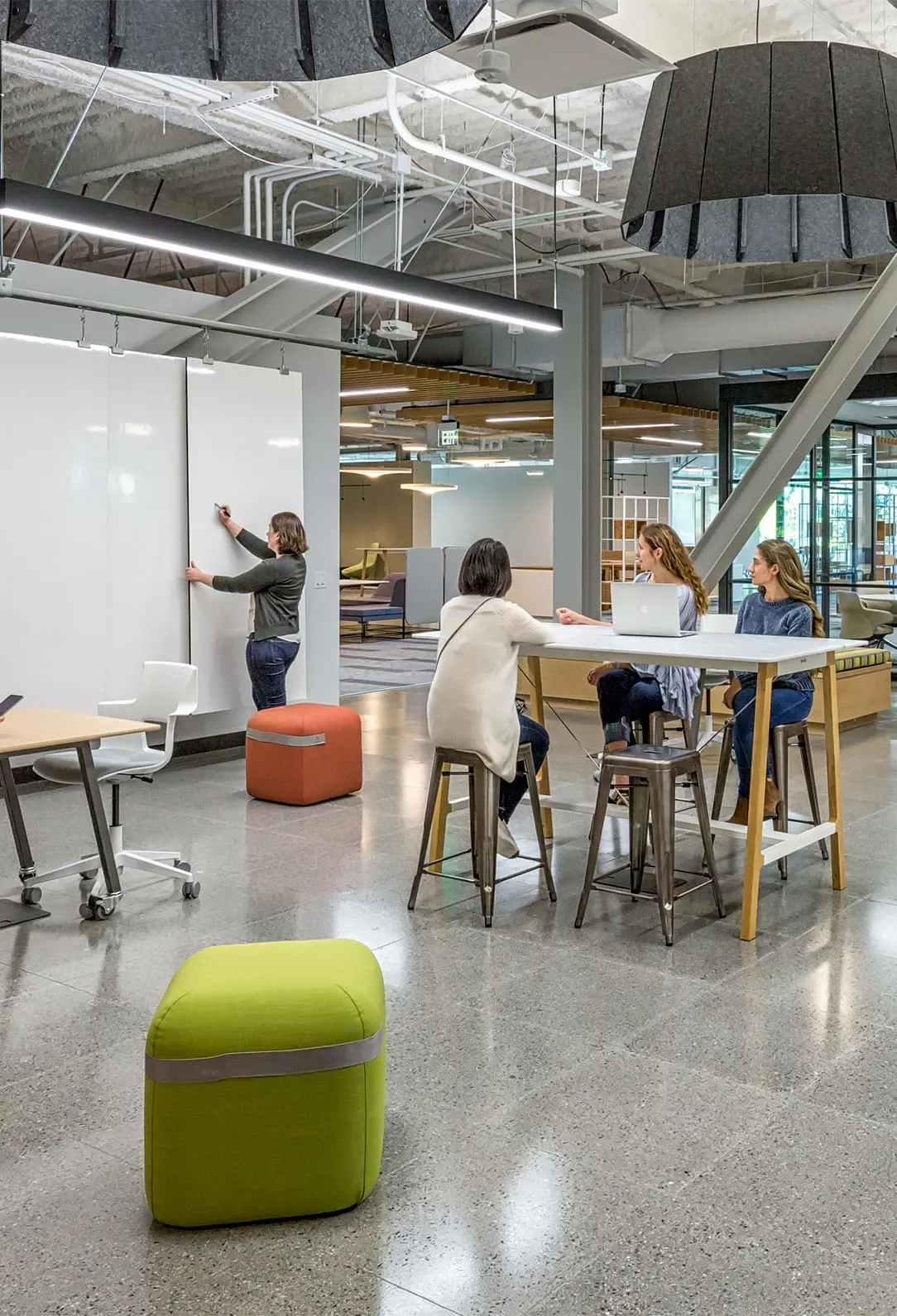
Modern scientific spaces must transcend mere functionality to create environments that encourage serendipitous interactions and collaboration. These “collision” points can be anywhere within the facility—from circulation areas to instrument rooms—encouraging spontaneous conversation and the exchange of ideas to spur innovation.
Essential Elements of Collaborative Spaces
Interaction Zones
Strategically placed throughout the building to stitch the environment together, these zones can spark innovation and create opportunities for informal networking.
Digital Collaboration
Collaboration can not only take place within a facility, but also across the world. Research teams can collaborate on data, view instruments, and discuss results remotely from wherever they are. Robust technology establishes the foundation for distance collaboration and timely responses.
Hybrid Working Environments
Modern scientific workplace design requires an interweaving of lab and office. For example, write-up space is heads-down, lab adjacent, and quiet—creating a fungible “lite lab” zone that, with the integration of mindful MEP systems, allows for adaptive change between office, computational lab, bench lab, and interaction area.
Biophilic Design
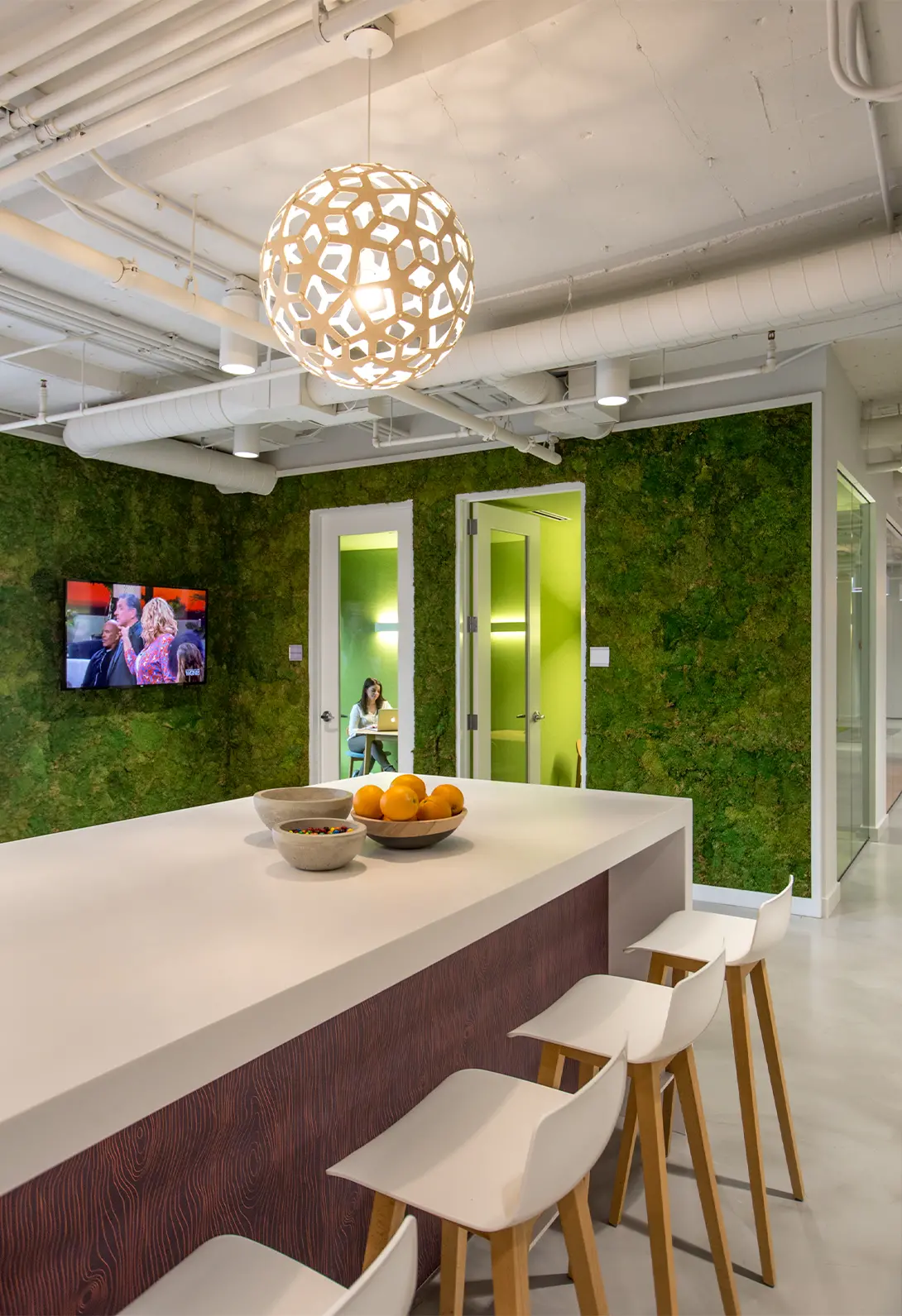
Integrating natural elements and exterior views into the research environment enhances the well-being and productivity of occupants. Natural light, greenery, and the use of natural materials address people’s innate need to connect with nature and therefore contribute to a more desirable and healthier workplace.
Diversity and Inclusion
Science is universal. Therefore, a laboratory and scientific workplace environment should be designed to be as universally supportive as possible. Supporting diversity, equity, and inclusion (DEI) within the laboratory and scientific workplace is vital for the advancement of science and a more equitable society. Incorporating diverse voices creates the foundation for more robust research. Additionally, the design of the facility can both welcome and support women, people of color, disabled persons, and diverse cultures, religions, and creeds while adhering to the needs of the science.
Incubator Zones
When the opportunity presents itself, partnerships between universities, corporations, and government agencies can drive significant advancements in research and development. These collaborations provide unique learning opportunities and foster innovation by leveraging shared resources and expertise. Creating incubator zones within these facilities can help smaller, otherwise unrelated organizations and groups to band together in sharing equipment and amenities while saving on money and resources as they push the boundaries of scientific discovery.
Designing for Functionality and Adaptability
By embracing the principles of the divergent laboratory—flexibility, technology integration, safety, sustainability, and collaboration—these spaces can catalyze innovation and productivity, creating environments that are not only functional but also inspiring and adaptive.
Whether at a university, government agency, or corporate R&D center, these facilities must be nimble enough to support a wide range of research directions and anticipate future demands, ensuring they remain at the forefront of scientific discovery.