Designing Housing Empty Nesters Actually Want to Live In
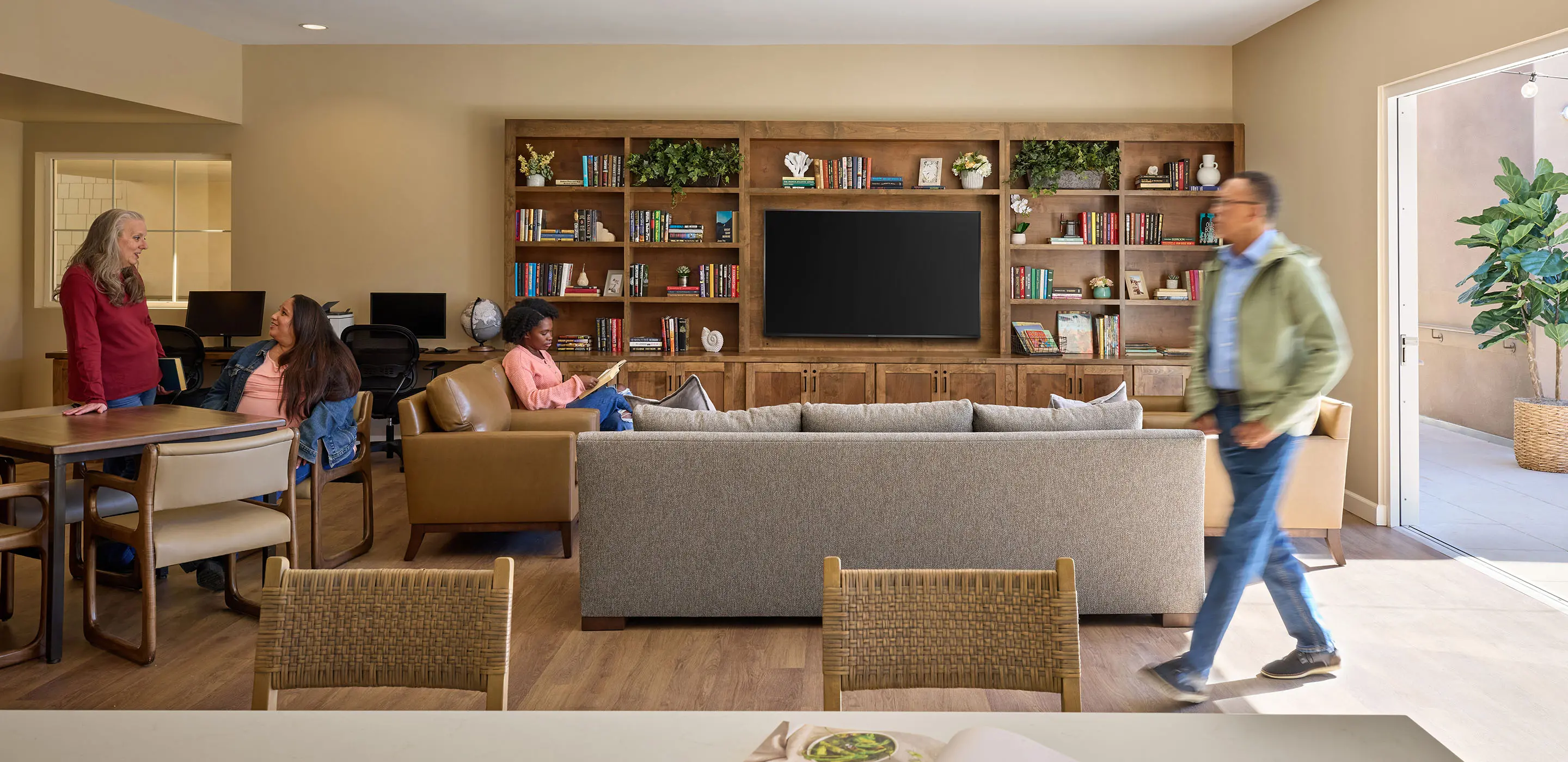
Redesigning How We Age in Place
As communities evolve and demographics shift, the housing landscape must adapt to meet the changing needs of residents. With the rise of empty nesters from the baby boomer generation, there is a growing necessity for multifamily housing designs tailored to their preferences and lifestyles.
According to Redfin, nearly 40% of Baby Boomers (ages 60–79) have lived in their homes for more than 20 years, owning 38% of the nation’s homes while constituting only 20% of the total population.
Empty nesters represent a financially significant segment of any community. With established careers and often substantial savings, they typically possess discretionary income that can stimulate local economies. Their spending patterns tend to focus on dining, entertainment, and services—directly supporting small businesses and fostering community vibrancy. Moreover, empty nesters are likely to engage in local volunteer activities, participate in community events, and support civic initiatives, enhancing the overall quality of life in their neighborhoods.
Furthermore, when empty nesters decide to sell their homes, they create opportunities for young families to enter the housing market. This turnover facilitates homeownership for younger generations and breathes new life into neighborhoods. New families bring energy and engagement, often revitalizing local schools, parks, and community amenities.
The Shrinking Housing Supply
This trend highlights a significant issue: many Baby Boomers prefer to stay in their homes long term, contributing to a shortage of available housing stock. This scarcity poses challenges for younger generations seeking to enter the housing market and raises questions about the future housing needs of Generation X and beyond.
Addressing this housing dilemma requires a nuanced approach. While increasing housing starts is crucial, diversifying housing options to meet the needs of various demographics is equally important. Many active senior communities target empty nesters, yet a significant number are hesitant to relocate to new towns or states. They often resist making such moves because they do not want to sacrifice the relationships and amenities they have grown accustomed to. Starting over somewhere new is not appealing.
Staying Rooted in Familiar Communities
By providing more appropriate housing options within familiar neighborhoods, we can enable empty nesters to age in place comfortably while preserving the cultural fabric of their communities. Moreover, such developments can inject new life into local economies by attracting residents with discretionary income, thus supporting small businesses and enhancing overall community vibrancy.
Design Elements That Matter Most
Catering to empty nesters is vital for maintaining vibrancy and community engagement. Key features that resonate with this demographic include ample storage options that allow residents to downsize without sacrificing cherished belongings. Ease of maintenance is also paramount; homes designed for empty nesters often incorporate low-maintenance landscaping and durable materials that minimize upkeep, freeing up time for leisure activities.
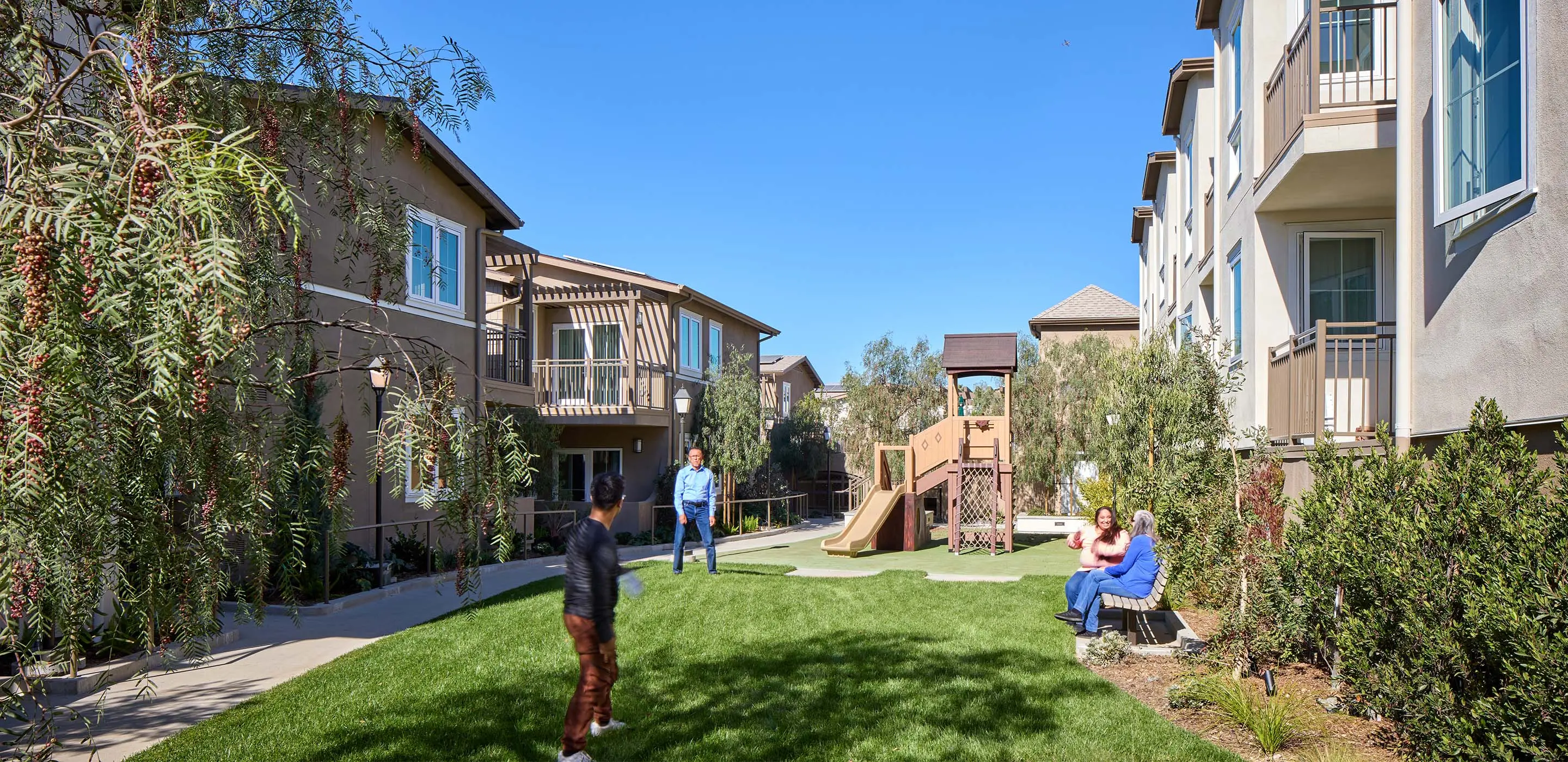
Additionally, single-level living and accessible design elements enhance comfort and safety, while proximity to amenities such as parks, shops, and healthcare services encourages an active lifestyle and fosters social connections. By focusing on these essential aspects, developers can create inviting spaces that meet the needs of empty nesters while contributing to the ongoing vitality of the neighborhood.
The Zoning Challenge
Outdated zoning codes present a significant obstacle to developing these types of housing options. Many codes prioritize large homes on expansive lots, limiting flexibility for diverse and age-friendly developments. Updating zoning regulations to accommodate the changing housing landscape is essential for fostering multi-age communities and preserving housing values.
The Market Is Ready
Fortunately, there is a growing market acceptance for age-restricted multifamily housing targeting empty nesters and active adults. Developers are recognizing the demand for these niche housing options and investing accordingly.
These developments offer amenities tailored to a simpler lifestyle, promoting social interaction, access to healthcare, and convenience, including:
- Secure, Keyless Entry: Simplified security systems for peace of mind.
- Fitness Center with Senior-Friendly Equipment: On-site gyms with low-impact machines and classes tailored to older adults.
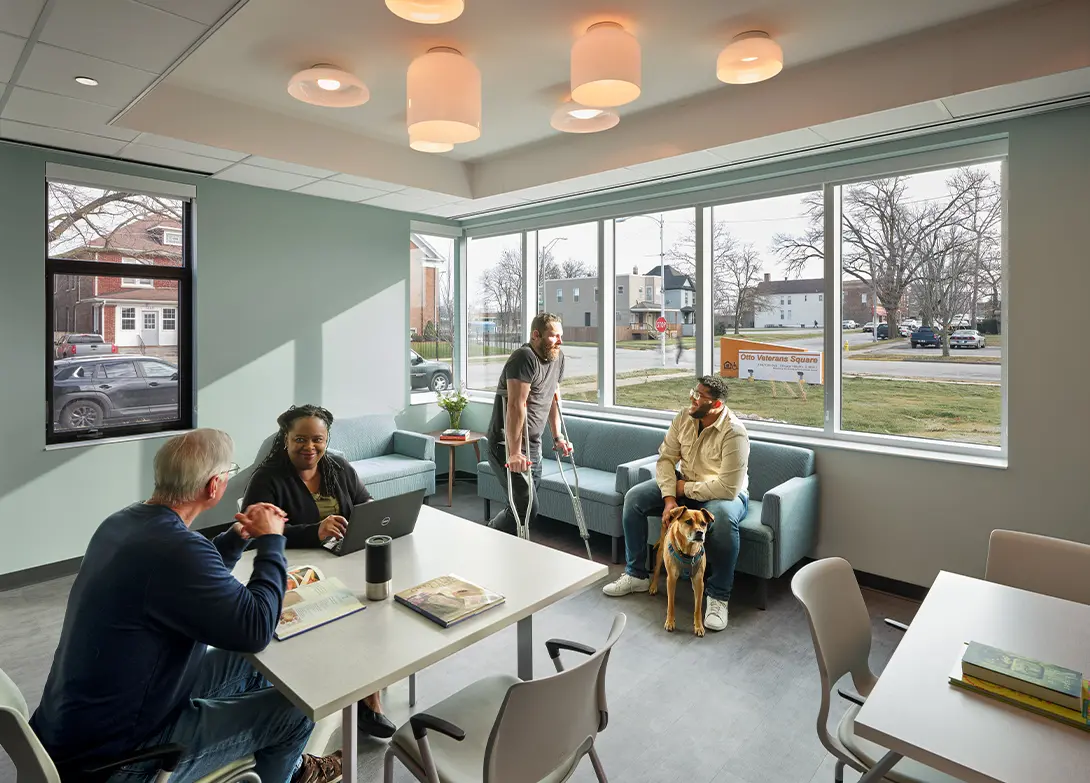
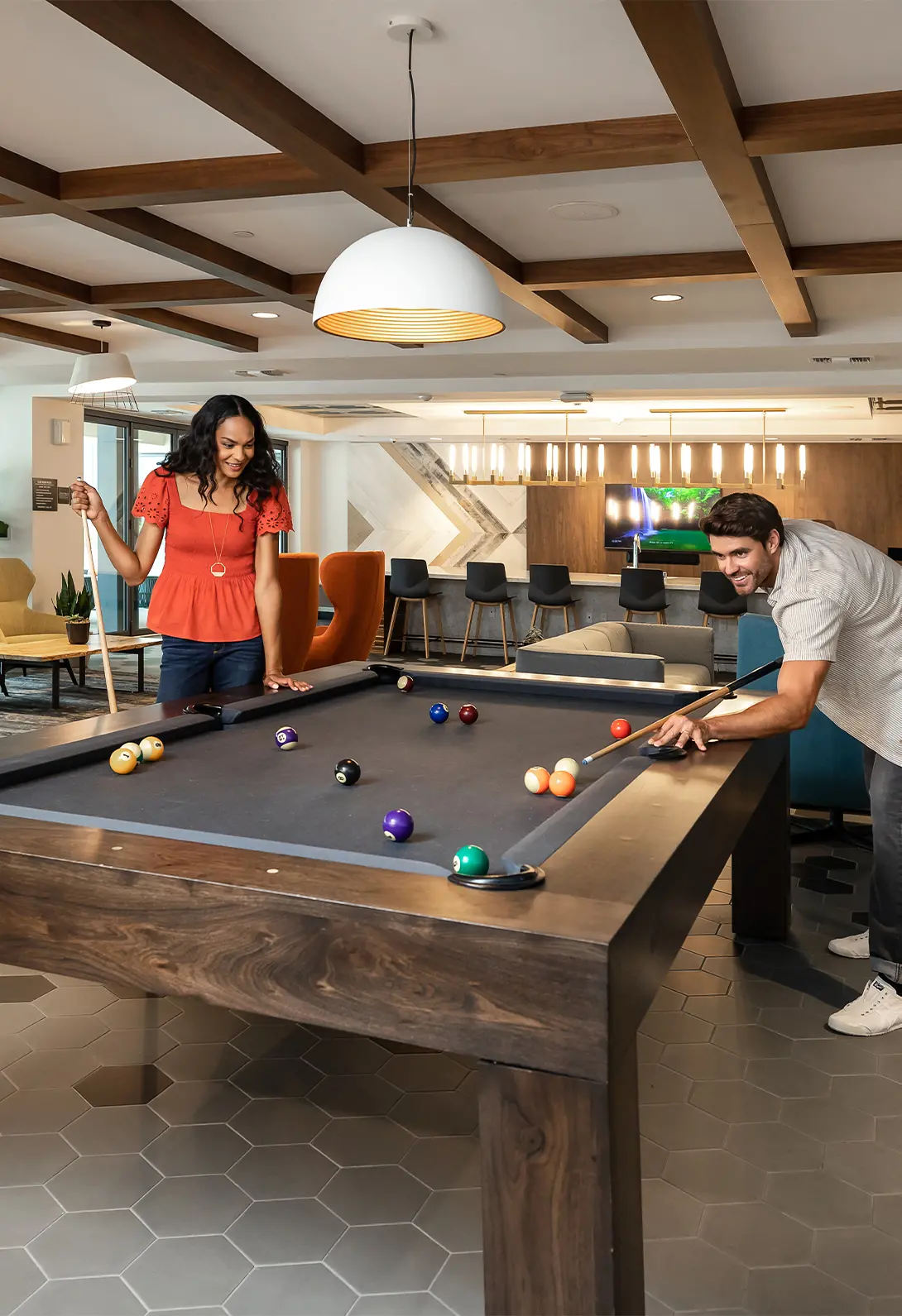
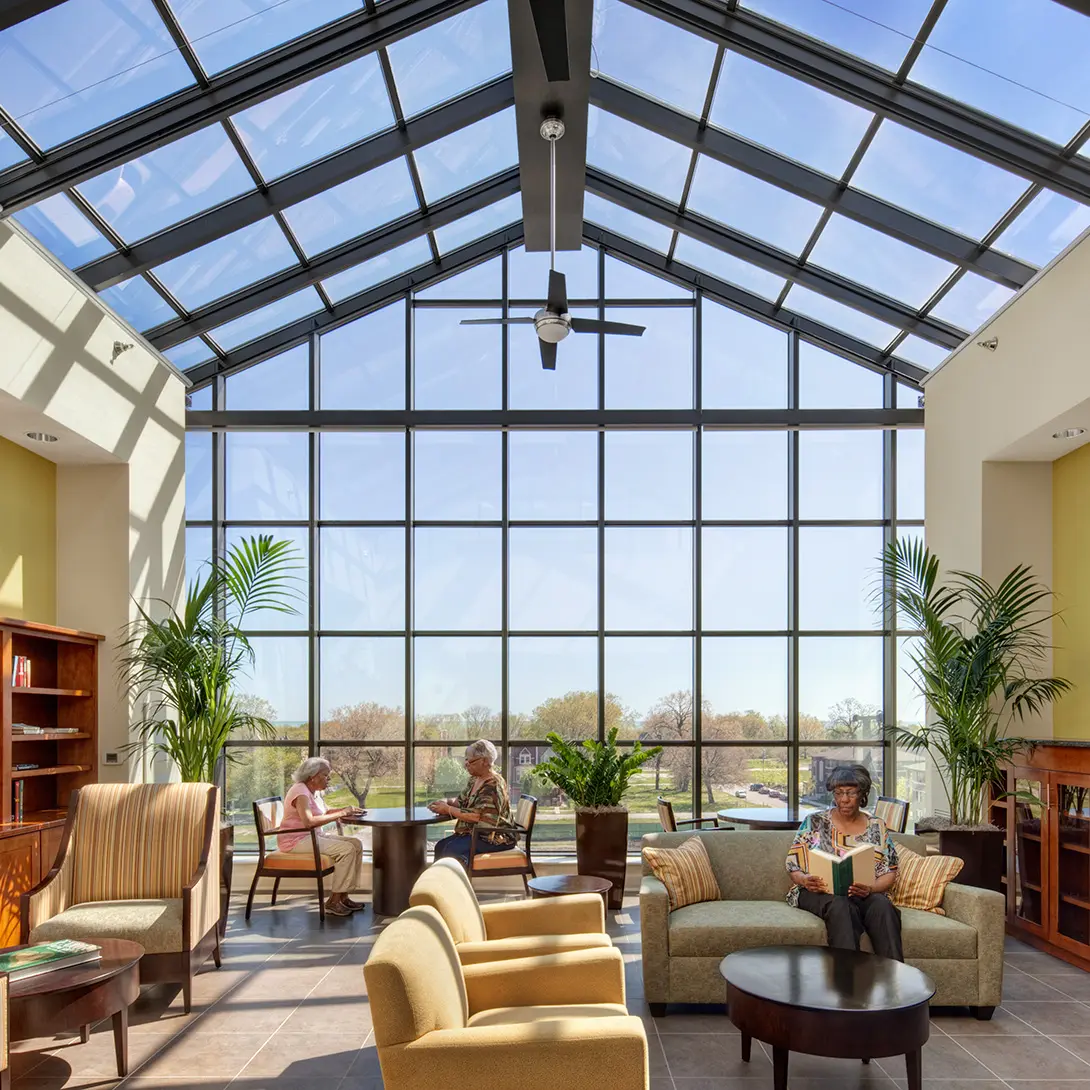
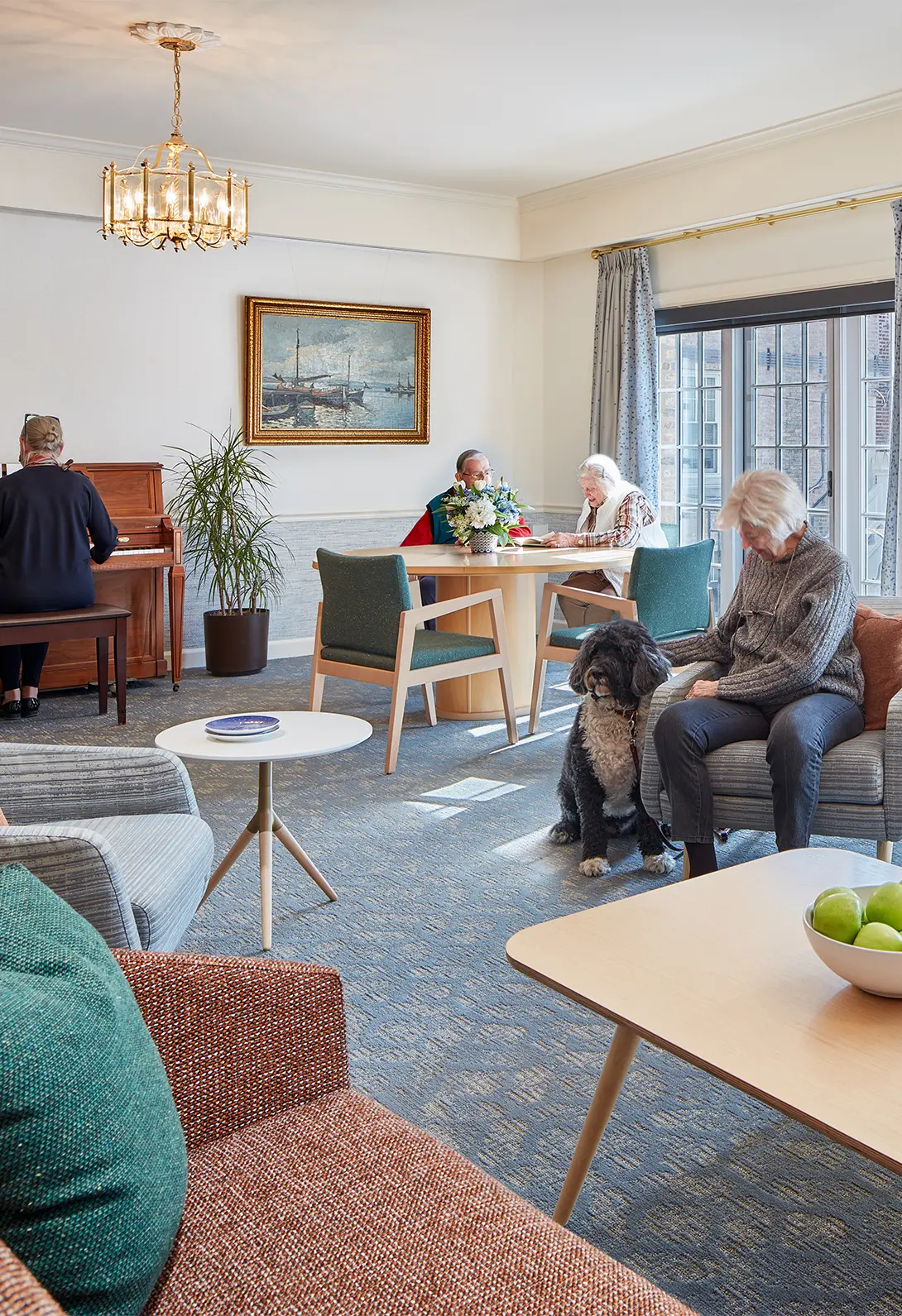
- Community Gathering Spaces: Lounges, game rooms, and outdoor patios for socializing and family gatherings.
- Dining Options: On-site restaurants or cafés that offer convenient dining choices and communal dining areas for shared meals.
- Event and Entertainment Spaces: Multi-purpose rooms for hosting events, movie nights, or game nights, fostering a sense of community.
- Pet Salon and Grooming Services: On-site salons to cater to pet owners and provide grooming services conveniently.
- Wine and Alcohol Storage and Tasting Rooms: Designated secure areas for wine storage and tasting, perfect for entertaining.
- Music Suites: Soundproof rooms for musical activities or lessons, allowing residents to pursue their passions.
- Family Event Hosting Spaces: Versatile spaces designed for family celebrations, complete with kitchens and dining areas.
- Proximity to Healthcare and Services: Close to healthcare facilities, grocery stores, and pharmacies for added convenience.
- Pet-Friendly Options: Accommodations for pets, recognizing their importance as companions for many empty nesters.
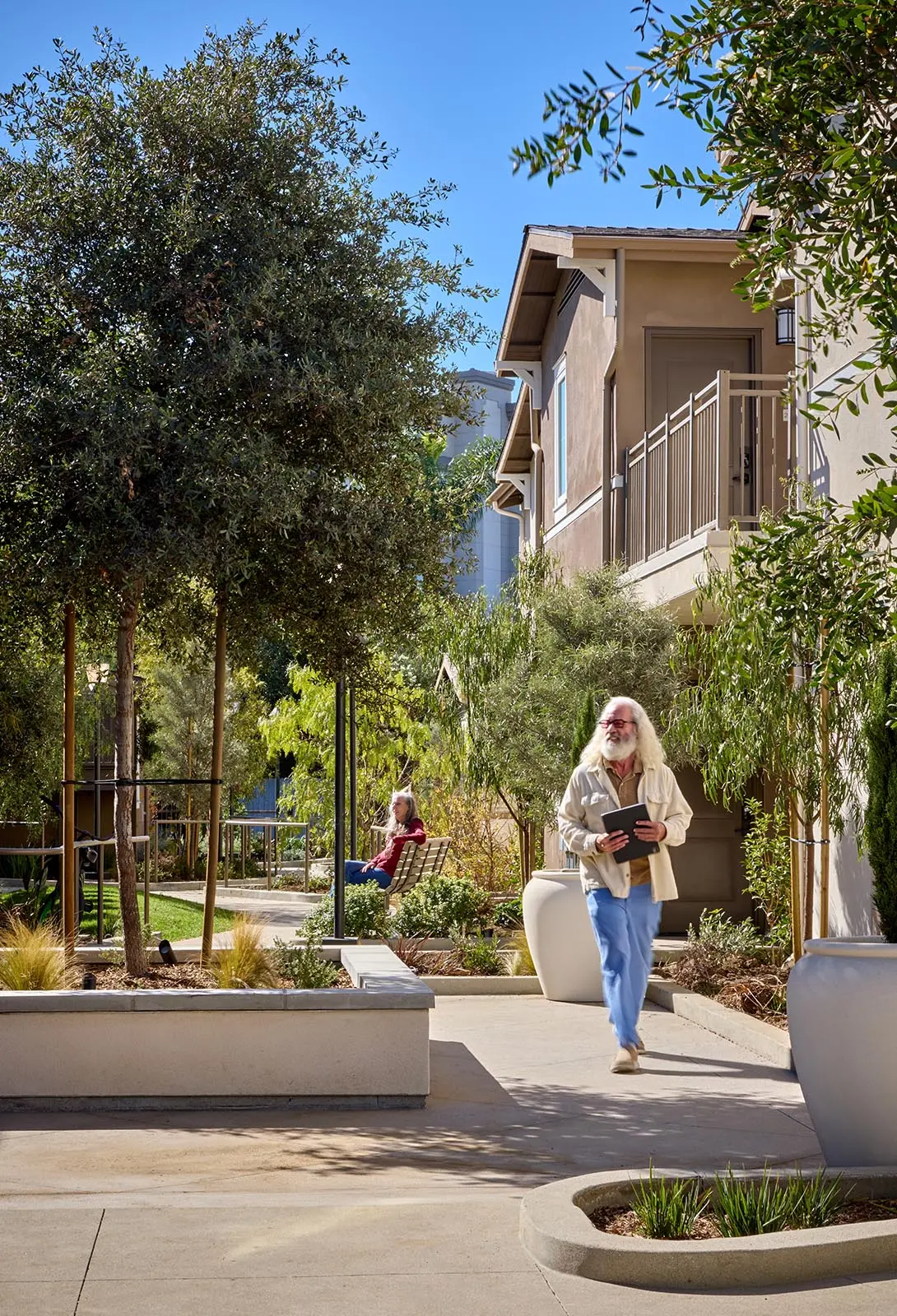
- Outdoor Spaces: Gardens, walking paths, and seating areas to encourage outdoor activities and relaxation.
Market demand is already there. It’s time to respond.
Designing for Continuity and Belonging
Empty nesters aren’t just leaving behind family homes but redefining what home means. The next generation of housing must allow them to stay connected to the communities they’ve built while embracing new freedoms and priorities. When we design for continuity, belonging, and choice, we create spaces where life can keep unfolding.