High-Performance Schools Beyond Opening Day
October 14, 2026
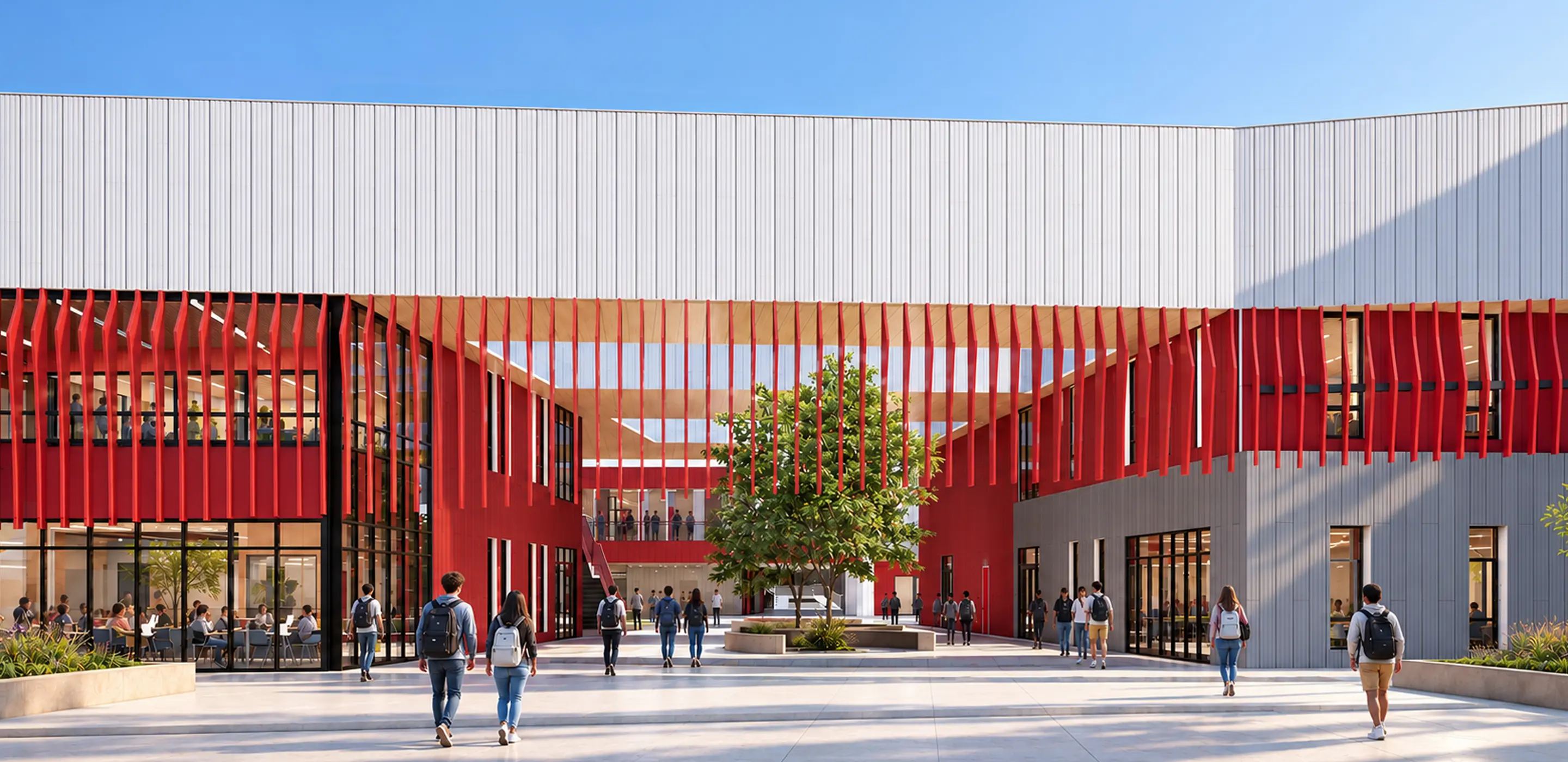
Built to perform over time
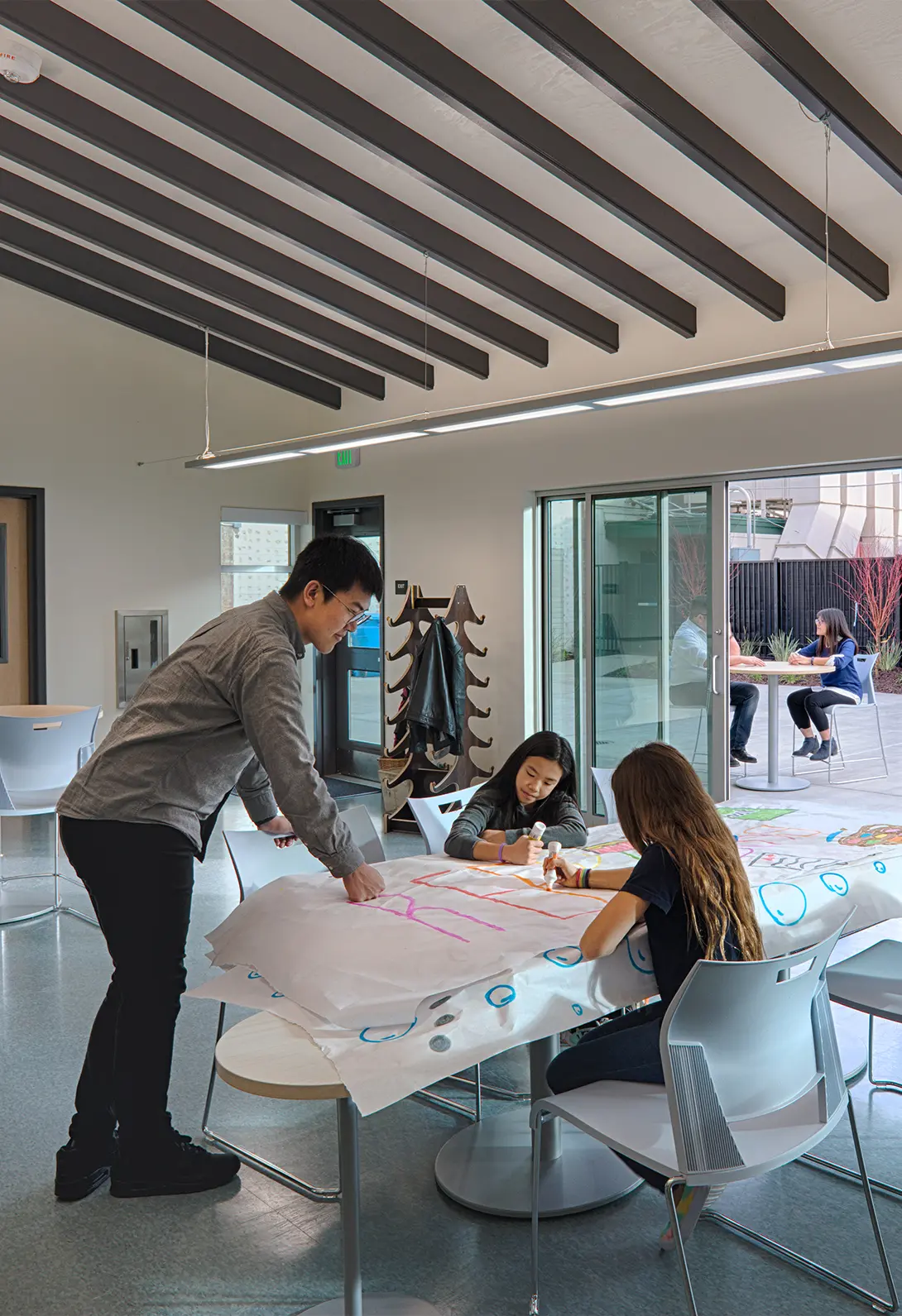
Schools are whole-community resources. We know that beyond the arrangement of classrooms, the design of these environments has ripple-effect impacts that touch the students, educators, administrators, and the surrounding neighborhoods. These are the groups we think about when approaching design.
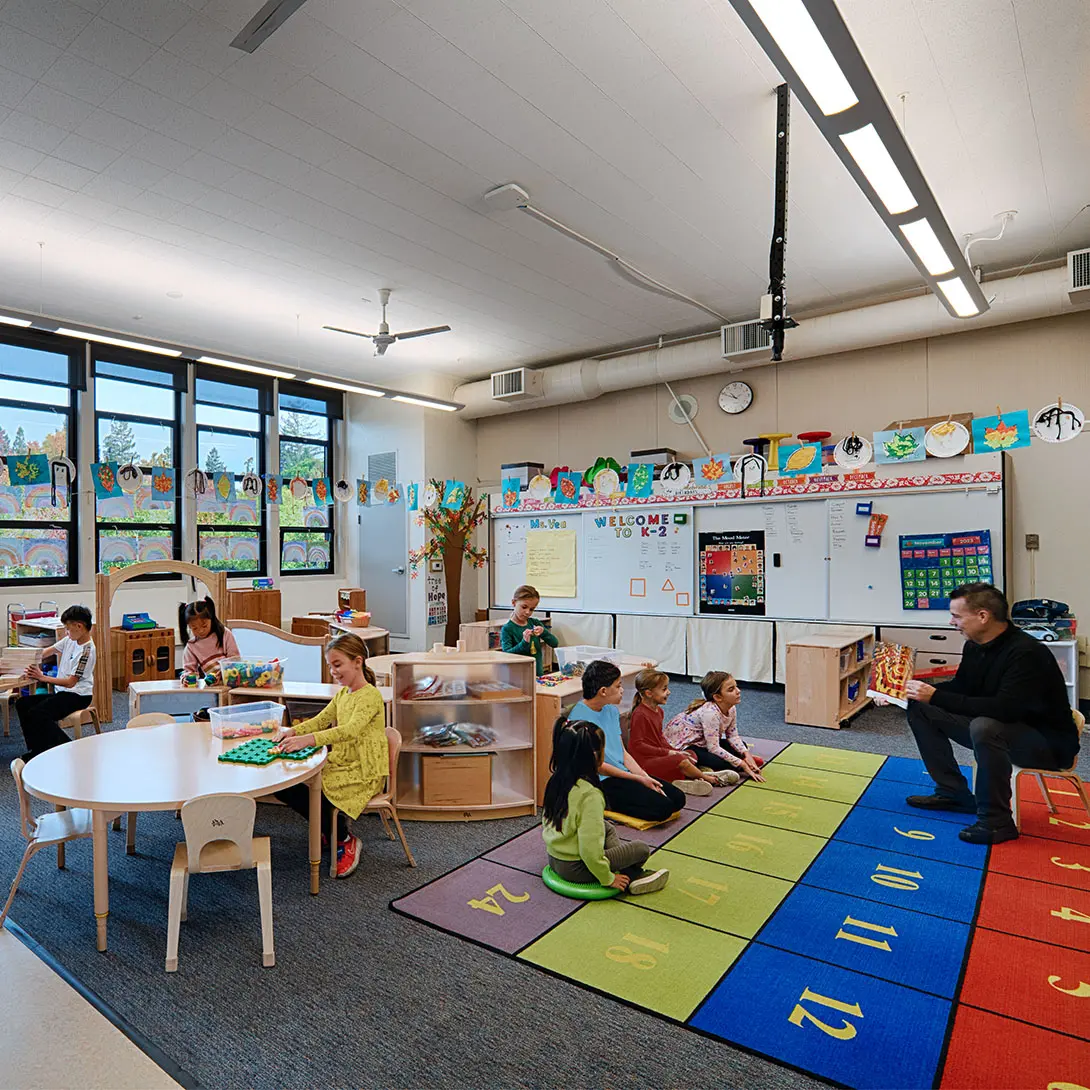
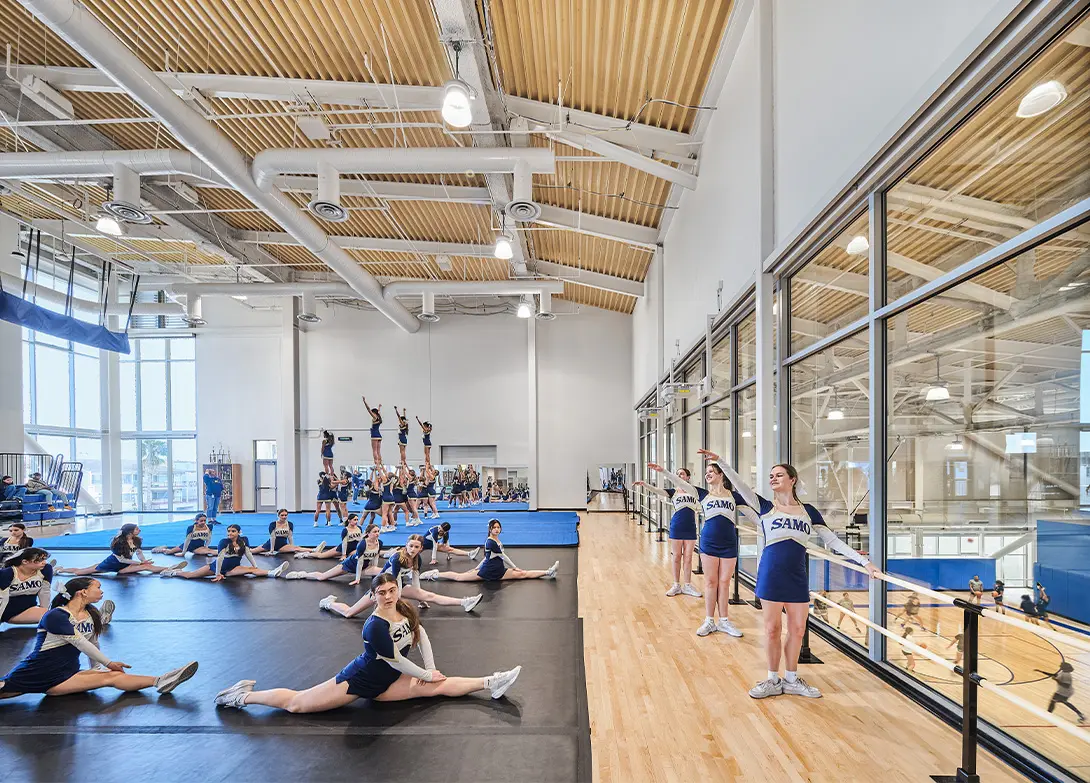
The impact of a thoughtful, responsively designed school is something lived by the people within it, for years to come, beyond day one and beyond ribbon-cutting. And we make building high-performance the center of our design process. A school shapes the daily experience of the people within it through the air they breathe, the daylight that reaches them, the acoustics of each room, and the temperatures they encounter throughout the day.
Over time, these same decisions shape a district’s budget through energy use, utility costs, maintenance demands, and the useful life of the building. When they are overlooked, a facility can consume resources that might otherwise support education, programming, and staffing.
This is the fuller meaning of a high-performance school. Its value cannot be reduced to energy use or a set of technical benchmarks. Performance becomes meaningful through its human consequences: whether students can focus and feel well, whether educators have an environment that supports their work, and whether facilities teams can operate the building effectively over time.
At the 2026 Green California Summit, HED leaders Mary Ruppenthal, FAIA, NCARB, LEED AP, DBIA; Martha Ball, FAIA, LEED AP BD+C; and Jennette La Quire, AIA, NCARB, LEED AP ID+C, joined public-sector and design leaders to examine how districts can approach that responsibility with greater clarity.
Their sessions explored high-performance schools from both sides of occupancy: the planning, policy, funding, and design decisions that establish ambitious goals, and what happens after a building opens, when those intentions meet students day to day. The lessons point toward a more responsive model of sustainable design, grounded in the distinct needs, resources, and long-term priorities of each school community.
Define Performance Before Designing for It
“High performance” won’t look exactly the same for every district. Climate, existing infrastructure, available funding, operational capacity, educational priorities, and community expectations all shape what a successful project requires.
The work begins by defining the outcomes that matter for each school and each community. A district may need to reduce energy costs, improve indoor environmental quality, make an aging campus more resilient, or create spaces that can support changing approaches to teaching. More often, it must address several of these needs at once.
Clear goals give the project team a way to weigh decisions throughout planning, design, construction, and operation. They also keep performance from becoming a collection of features added late in the process. Each strategy should respond to an identified need and contribute to a larger understanding of how the school must serve its community.
Let the Building Do More of the Work
When we think about energy reduction or efficiency, it doesn’t just end with technology or installing new systems. We start with the design and orientation of the building itself: its directional layout, where the sun rises, areas that catch natural shade, geographical features, and landscape.
These elements or passive strategies contribute to a high-performance envelope that can reduce energy demand before mechanical systems are considered. They create the foundation for more efficient systems and can also improve comfort, distribute daylight more effectively, and reduce temperature swings within classrooms.
Advanced systems still have an important role. The goal is to apply them with purpose, after the building has been designed to make the best use of its climate and natural resources. This order matters. Reducing demand first can allow systems to be sized more appropriately, simplify operations, and direct investment toward the strategies that provide the greatest value.
Certification programs such as LEED can help establish goals and provide accountability. Their greatest value comes when the measures they recognize are tied to the district’s broader priorities, rather than treated as the final definition of success.
Design for the People Who Will Operate the School
A building can meet an energy target on paper and still fall short in practice. The difference often emerges after occupancy, when sophisticated systems, changing schedules, maintenance realities, and everyday human behavior begin to interact.
Facilities staff should therefore be part of the conversation early. Their knowledge can reveal how existing buildings operate, where recurring problems occur, and what level of complexity a district can reasonably maintain. Their involvement also helps align design intent with staffing, training, and long-term maintenance capacity.
The same attention should continue after the school opens. Commissioning, staff training, performance tracking, and post-occupancy evaluation give districts a way to understand how the building is working and adjust when actual use differs from the assumptions made during design.
A high-performance school is a working environment that will change as enrollment, pedagogy, technology, climate conditions, and community needs evolve.
Make the Long-Term Value Visible
School projects are often judged by their initial construction budgets because those costs are immediate and easy to see. The larger cost of a building unfolds over decades but needs to be considered too.
A fuller financial analysis considers energy and water use, maintenance, equipment replacement, staff time, adaptability, and the expected life of the facility. It also considers the cost of disruption when spaces become uncomfortable, systems fail, or a building can no longer support the way education is delivered.
This lifecycle view changes the conversation. High-performance design is no longer an added premium competing with educational needs. It becomes a means of protecting the resources, people, and programs that sustain education.
Making that case requires clear language.
Technical targets matter, but school boards, families, educators, and community members also need to understand what those targets mean in daily life: more comfortable classrooms, fewer operational disruptions, lower and more predictable utility costs, and facilities prepared to serve students for years to come.
Five Actions for Districts and Project Teams
- Define performance around the district’s mission. Establish what the building must accomplish for students, educators, operations teams, and the community.
- Set measurable goals early. Align energy, wellness, resilience, budget, and educational priorities while major decisions still have leverage.
- Reduce demand before adding complexity. Use building form, orientation, daylight, shading, and the envelope as the foundation for efficient systems.
- Plan for operation from day one. Include facilities staff in design decisions and account for training, maintenance, staffing, and system usability.
- Continue measuring after occupancy. Compare actual performance with the original goals, learn from the differences, and adjust as the building and its users change.
High-performance design asks us to consider the full life of a school and the many lives shaped within it. A school built today may serve its community for generations. The decisions made at the beginning will continue to influence comfort, learning, operating costs, and resilience long after the project team has left.
The truest measure of success is not simply how a school performs at opening, but rather how thoughtfully, reliably, and efficiently it continues to serve the people who depend on it for years to come.
To continue the conversation, contact Mary Ruppenthal, Martha Ball, Jennette La Quire, or HED’s PreK-12 education team.