Commonly Asked Questions in Commercial Real Estate
balancing opportunity with resilience
The commercial real estate market is currently grappling with significant change and uncertainty, driven by shifting economic conditions, evolving consumer preferences, and technological advancement.
Redefining Financing and Development
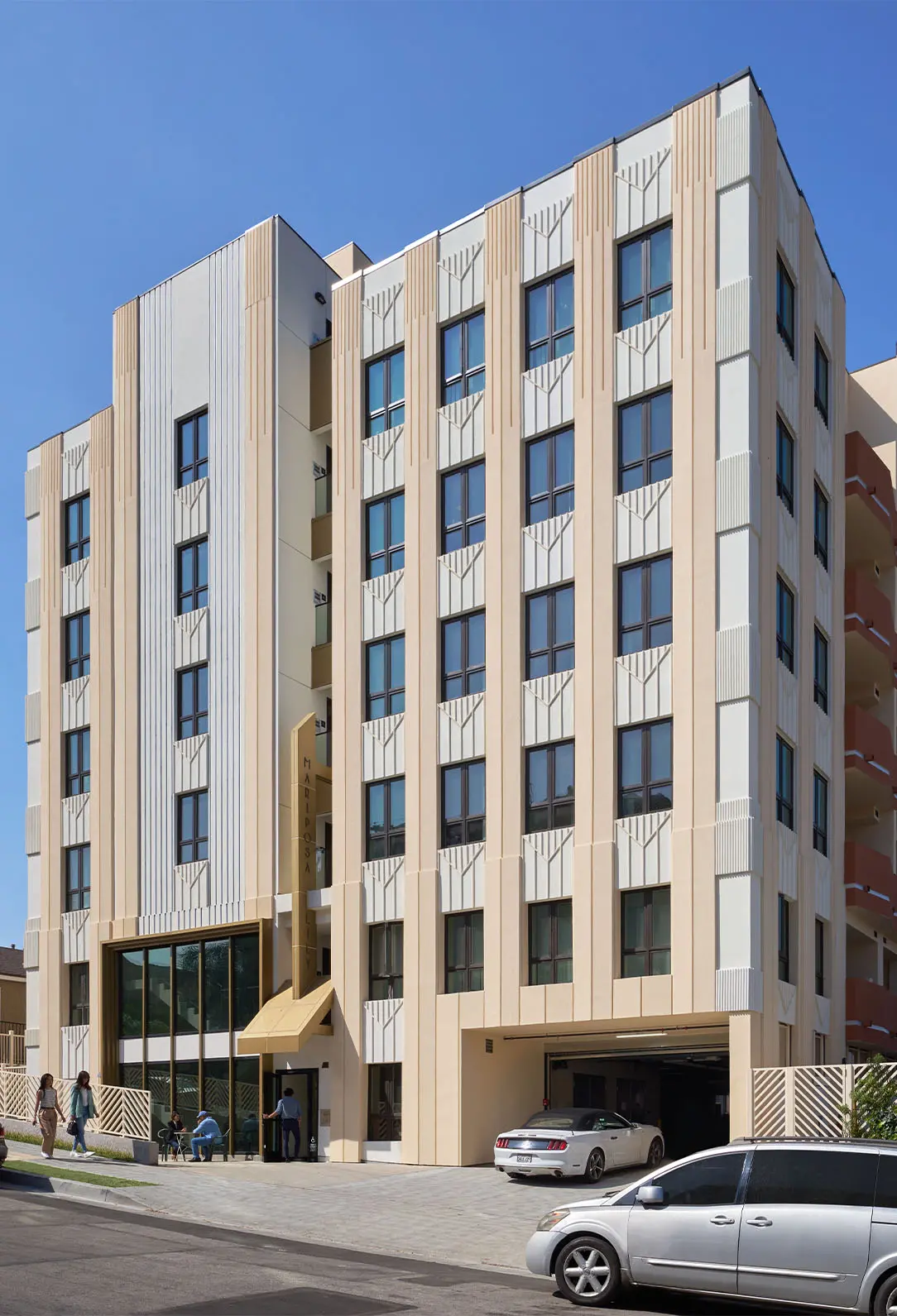
Recently, there has been a greater emphasis on affordable housing. In larger developments, we are seeing a mix of ages, uses, and income levels—what we call, MAUIs—that help developers make a deal work overall. This approach allows for varied funding sources and tax credits that build a stronger capital stack.
Market-rate apartment rents can help offset the affordable and workforce housing rents, and in many cases, workforce and affordable units maintain higher occupancy rates than market-rate housing. In essence, it’s not unlike a well-balanced 401(k)—spreading risk across short- and long-term returns to ensure steady performance.
Demographic Shifts and Design Drivers
Demand for senior living remains strong, yet only about half the necessary units are being built. Much of this gap stems from a lack of options for empty nesters who wish to downsize without sacrificing quality or connection.
These projects are built for lifestyle to be attractive, accessible, and flexible. They speak to younger Boomers and older Gen X residents, designed to the level of quality that makes people truly willing to give up their homes.
Amenity Trends and Mixed-Use Synergies
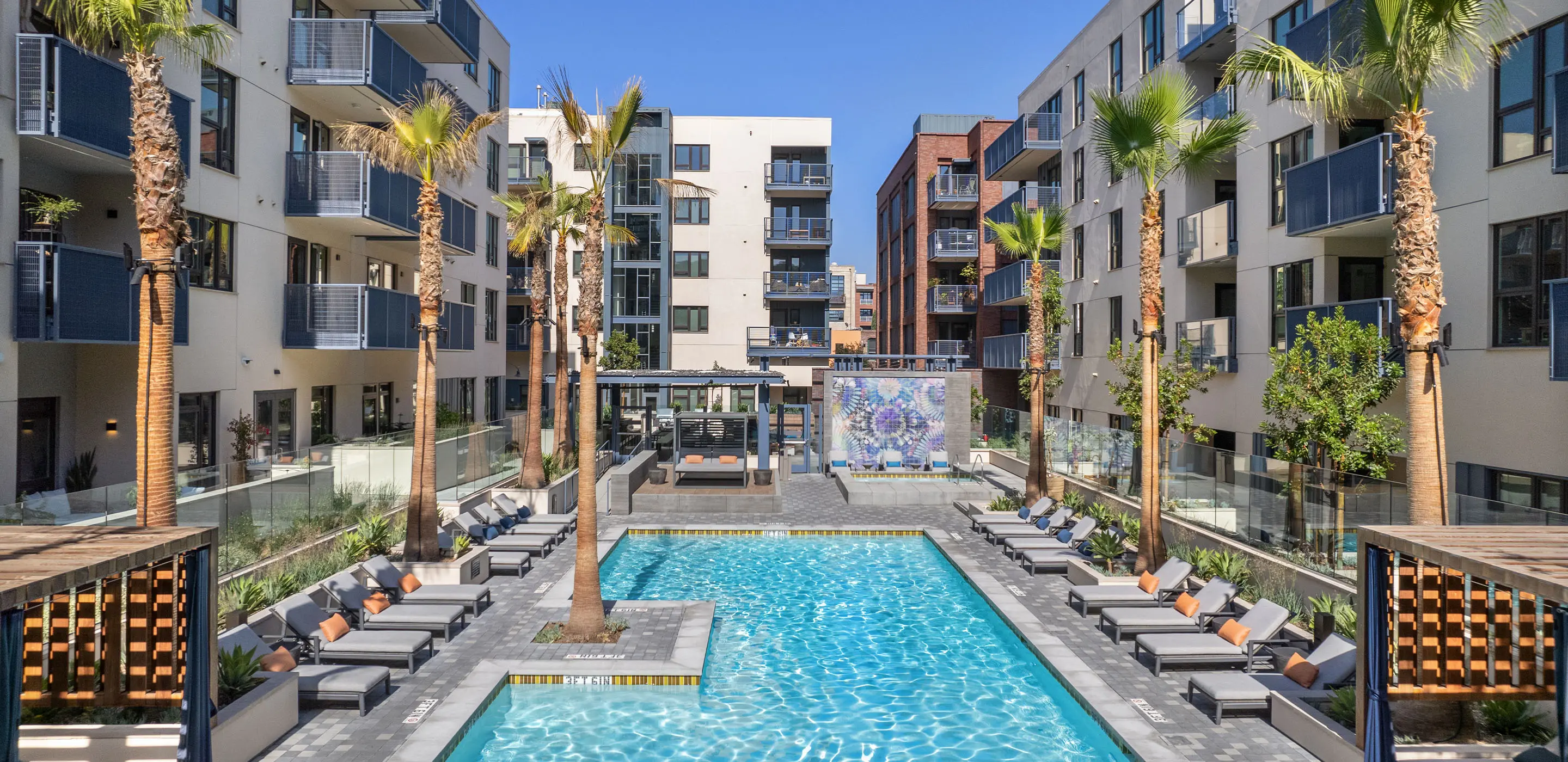
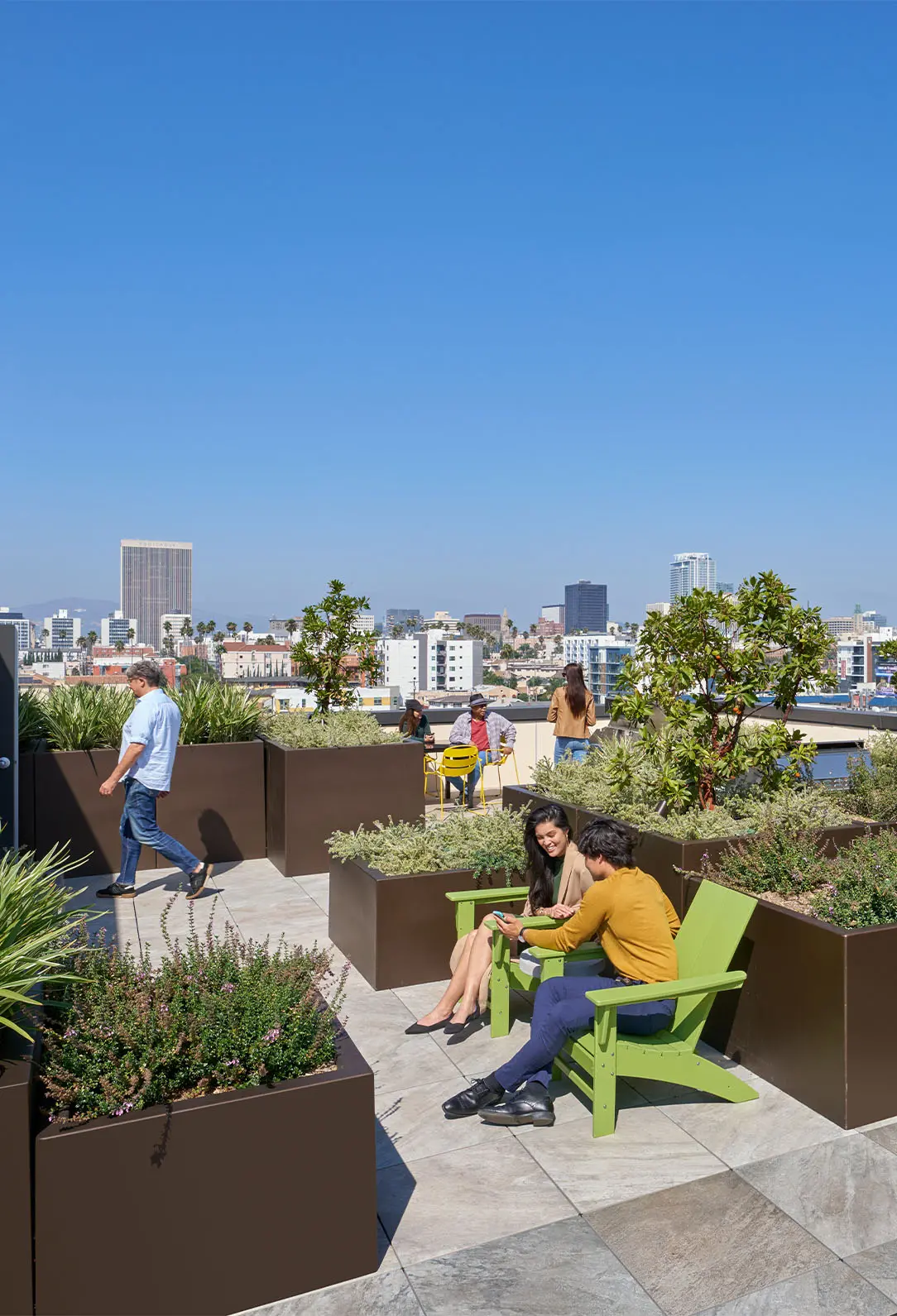
In both large mixed-use developments and single buildings, the design focus is on maximizing activity across an 18-hour day. The goal: create synergies between uses that drive sustained engagement. For example, we’ve seen clients integrate wellness and healthcare with food and beverage, allowing one use to support the other—especially in active adult projects.
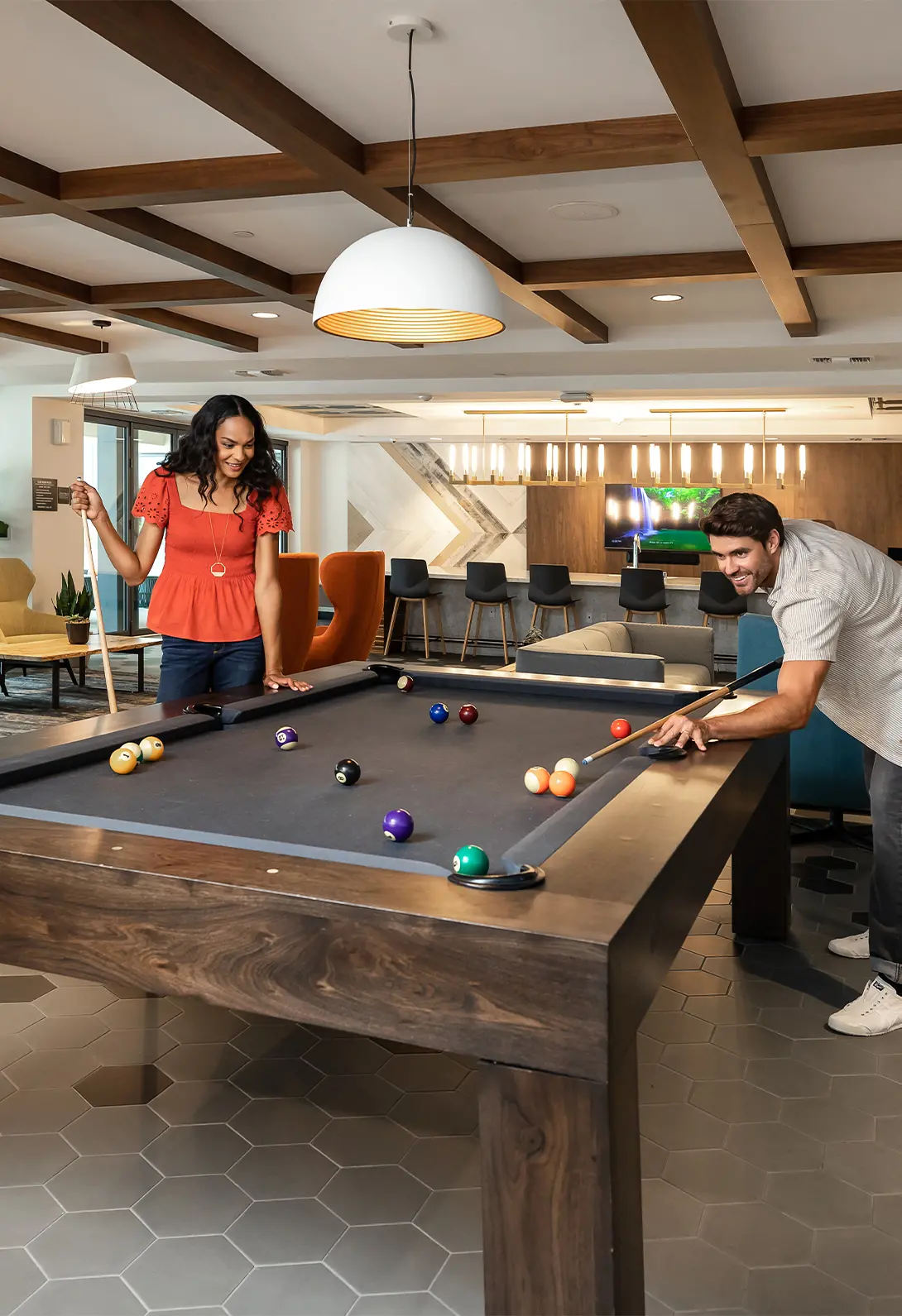
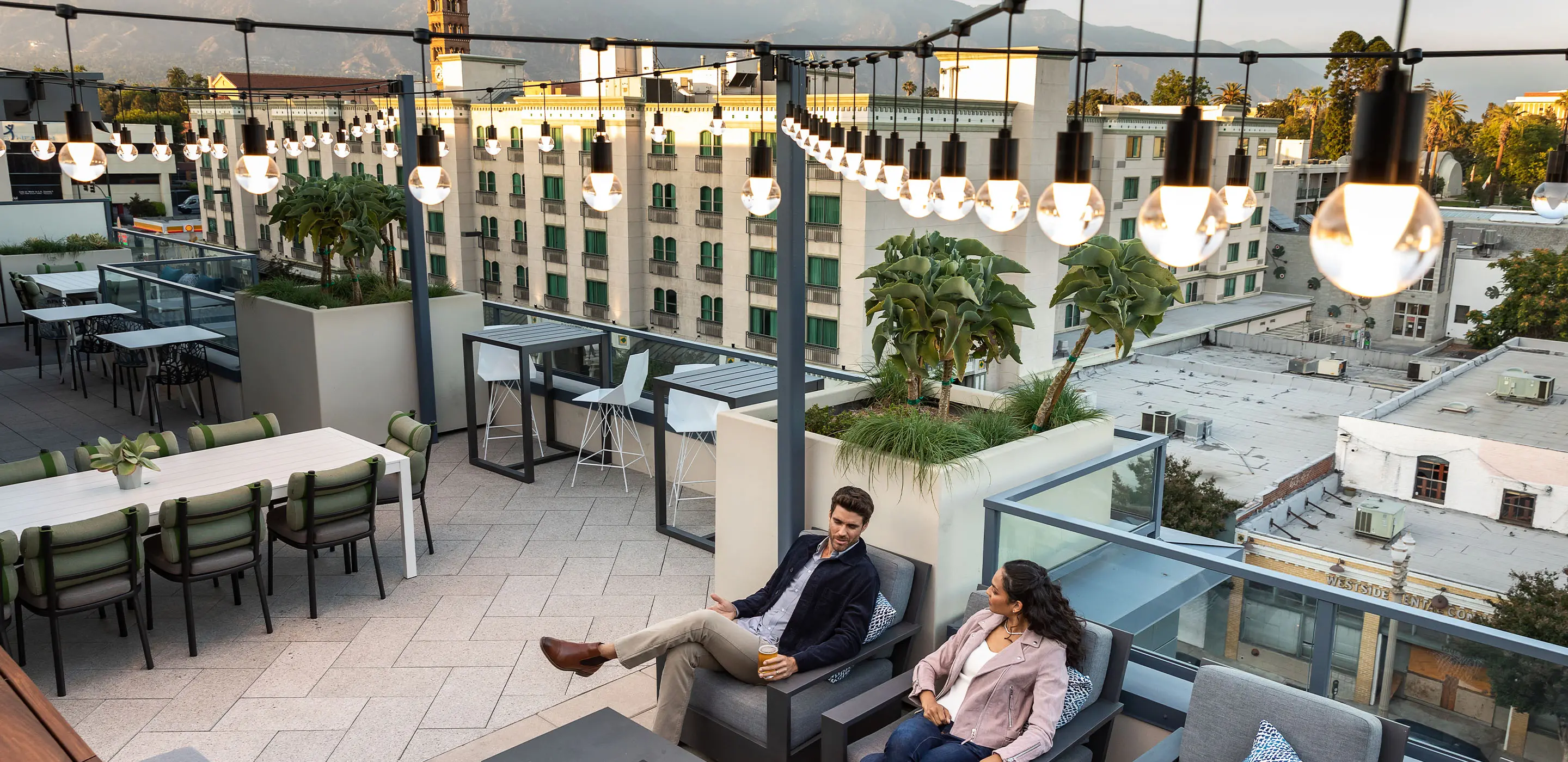
Resident-only amenities are also evolving. There’s growing demand for flexible, programmable spaces that foster connection through shared experiences. These spaces are designed to be communal and adaptable, providing platforms for resident interaction, education, and entertainment.
Transit-Oriented Developments and Equity
These mixed-age, use, and income projects (MAUIs) work best when people live closer to where they work. Bringing employment, housing, and public transit together expands opportunity and fosters equitable transit-oriented development.
These environments not only reduce commute times and carbon footprints but also enhance accessibility and inclusion.
Designing for Safety and Privacy
Safety and security remain central to the resident experience, particularly in affordable and senior housing. HED approaches these projects through the perspective of women as primary residents—a statistically grounded reality. We consider how residents move from their cars or public transit to the front door, how they collect mail and packages, and how lighting, visibility, and acoustics support comfort and control. Low-tech environmental design works hand in hand with high-tech security systems to enhance confidence and well-being. Privacy is equally essential.
Managing ambient noise ensures residents can enjoy their homes without intrusion from neighboring units. Excessive sound can contribute to stress and even drive tenant turnover. We integrate acoustic solutions early, addressing layout, materials, and treatments. to establish baseline comfort.


Renovation and Adaptive Reuse
Renovating existing assets has become increasingly attractive amid economic uncertainty. Many owners are upgrading amenities and repositioning older properties to stay competitive with new developments. HED has experience leading several office-to-housing and hotel-to-residential conversions—complex but rewarding transformations that bring new life to existing buildings. These projects accelerate speed to market, but success requires strong alignment between developers and municipalities.
Looking Ahead
The most resilient developments are those that anticipate change: financial, demographic, and cultural. By embracing flexibility, inclusivity, and human-centered design, we can create housing and mixed-use environments that serve today’s residents while remaining ready for what’s next.