Building the Next Generation of Forensic Labs
May 13, 2025
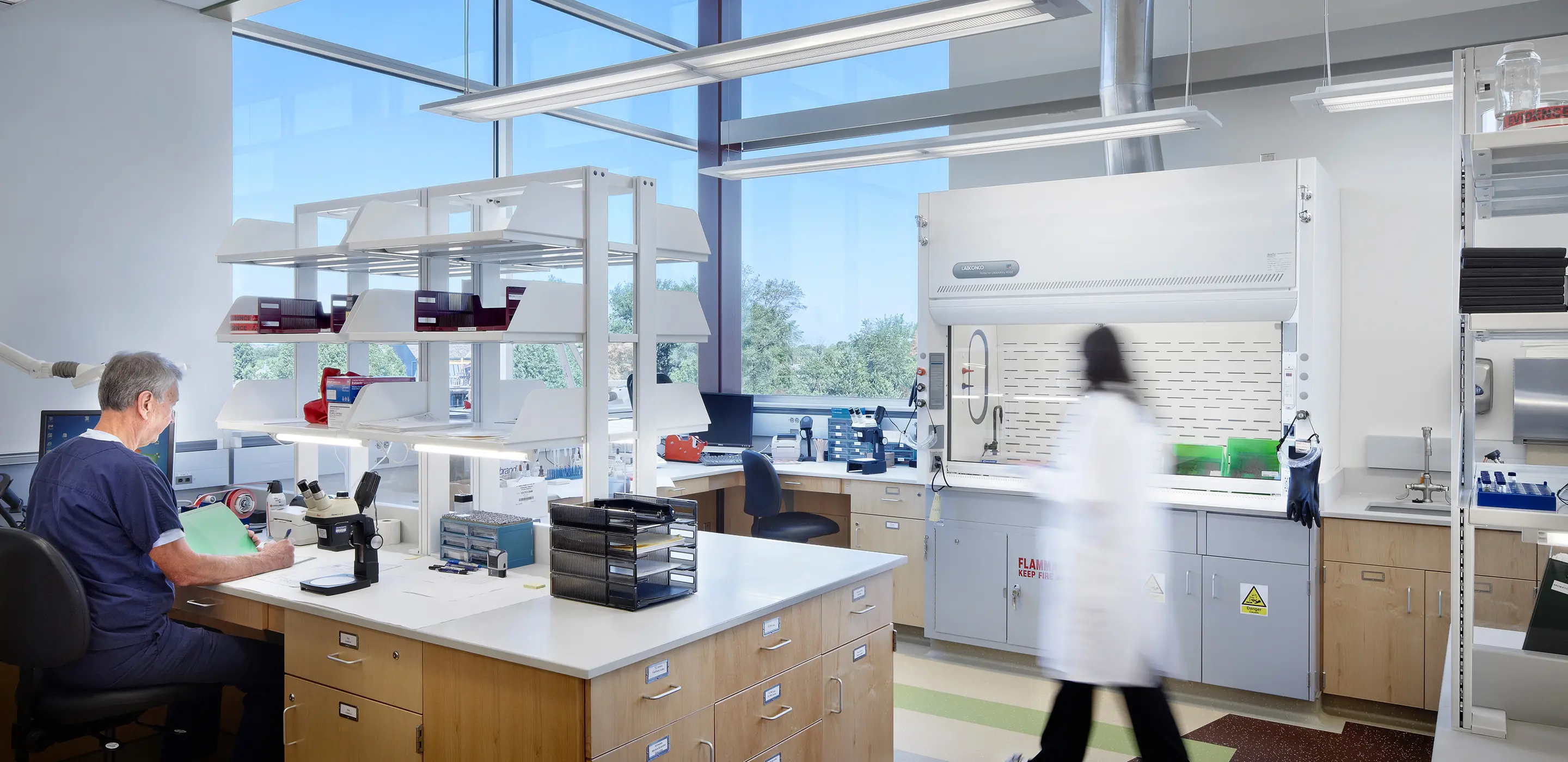
supporting the professionals inside and the communities they serve
Forensic facilities have historically been designed around manual processes. Over the decades, they’ve evolved from rudimentary setups to highly sophisticated environments equipped with cutting-edge technology equipped for automation, artificial intelligence, and smart infrastructure.
Today, forensic labs and medical examiners’ offices (MEOs) must contend with growing caseloads, an increasing demand for faster results, and a shortage of workers. In response, facilities are integrating intelligent design principles to accommodate emerging technologies.
Technology Driving the Future of Forensic Facilities
As a wave of innovation reshapes forensic facilities, labs today are integrating automation, digital forensics, and intelligent systems to enhance investigative capabilities.
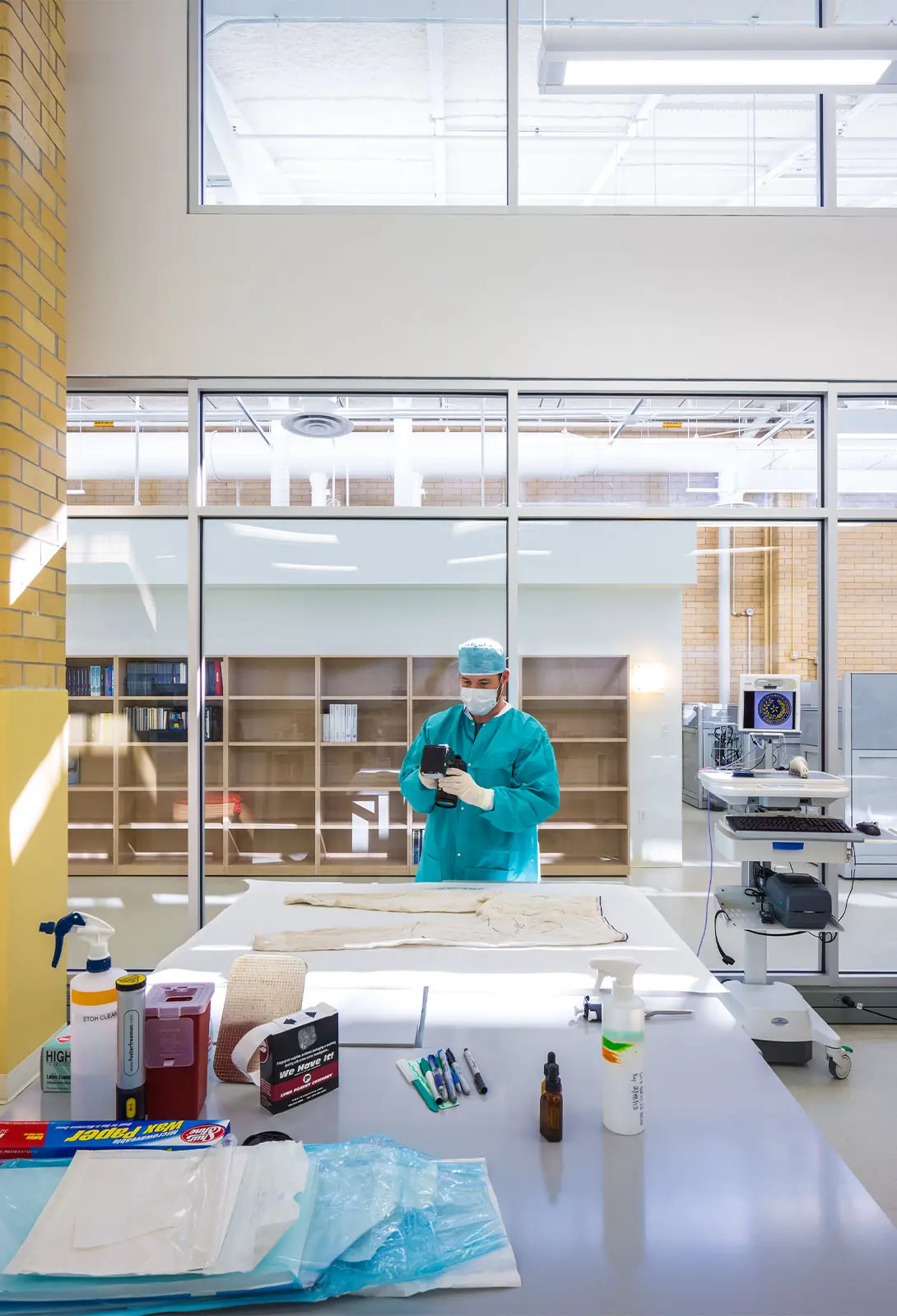
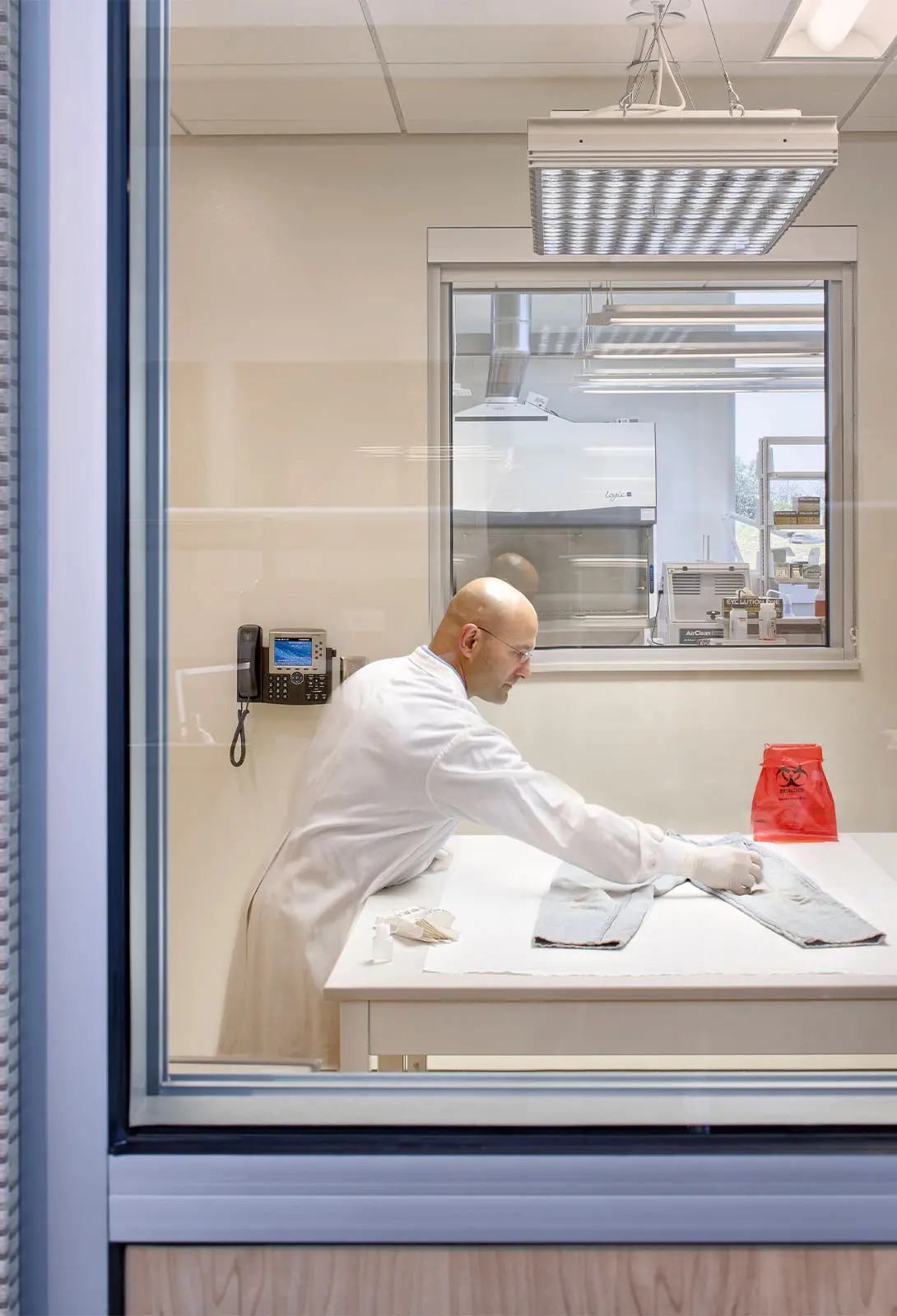
The goal is to optimize workflows, reduce human error, maintain casework integrity, and create safer and healthier working conditions for forensic professionals.
These are the tools smart lab design is built around:
- Automation & Robotics – Automated Guided Vehicles (AGVs) in forensic laboratories streamline evidence transport, reducing handling errors and contamination risks. Automated racking and retrieval systems in morgues optimize space, reduce physical strain on staff, and improve case processing efficiency.
The goal is to optimize workflows, reduce human error, maintain casework integrity, and create safer and healthier working conditions for forensic professionals.
These are the tools smart lab design is built around:
- Automation & Robotics – Automated Guided Vehicles (AGVs) in forensic laboratories streamline evidence transport, reducing handling errors and contamination risks. Automated racking and retrieval systems in morgues optimize space, reduce physical strain on staff, and improve case processing efficiency.
- Advanced DNA Sequencing – Next-generation sequencing enables more detailed and faster genetic analysis, including predictive DNA phenotyping and rapid DNA processing. These technologies allow forensic analysts to extract valuable insights from even the smallest trace samples.
- AI & Machine Learning – AI-powered tools enhance digital forensic investigations, assist in facial recognition, and improve firearm and ballistic analysis. These systems process vast datasets with unparalleled speed, improving forensic accuracy and case resolution times.
- RFID Tracking & Digital Chain of Custody – Real-time tracking of evidence, supplies, and/or decedents ensures secure handling and compliance with forensic protocols. RFID technology minimizes the risk of lost or mislabeled evidence, a critical factor in maintaining case integrity.
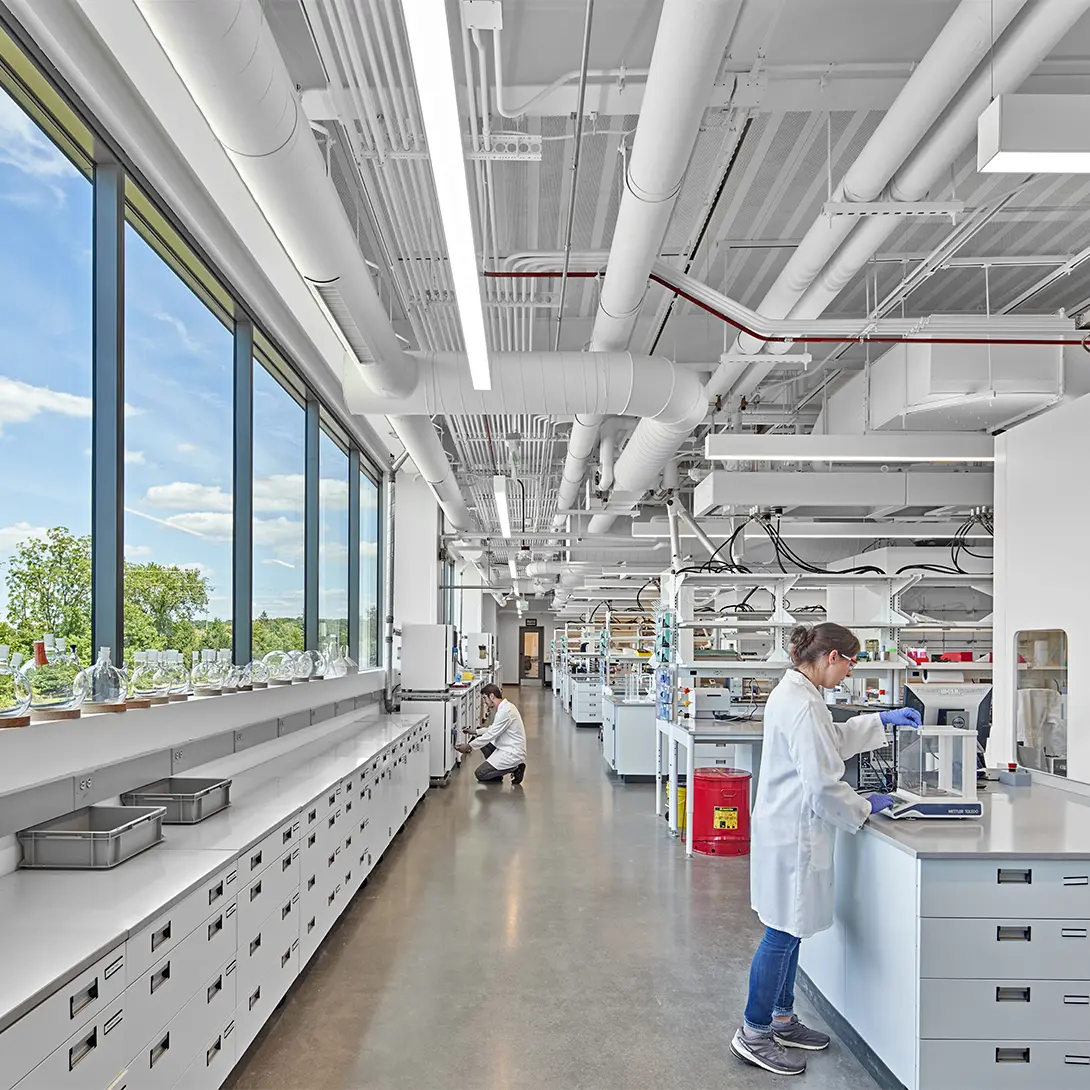
- Human-Centered and Sustainable Design – Forensic labs and MEOs are increasingly adopting ergonomic workspaces, advanced HVAC systems, and environmentally sustainable features. Work surfaces that adjust to multiple body types, natural daylight, and energy-efficient infrastructure not only improve wellbeing in the workplace but also contribute to recruitment, retention, and long-term operational resilience.
We understand these trends and technologies and design with them in mind, thoughtfully integrating them into labs to meet the unique needs of every forensic environment. Through conversation and knowledge sharing, modern lab designs are created to support these needs and provide an enhanced workflow to professionals.
Smarter Design Leads to Better Outcomes
The impact of these technologies in the forensic workplace goes beyond operational efficiency to fundamentally improve forensic science outcomes. The investment of proper design and implementation is tenfold.
Let’s take a look at several key benefits that come from these innovations and effective integration into laboratory environments:
- Enhanced Safety – Automated handling of hazardous materials and ergonomic workspaces reduce workplace injuries, creating a safer environment for forensic professionals.
- Greater Efficiency – Streamlined workflows, automation, and AI-driven analysis accelerate case processing times, allowing laboratories to address backlogs more effectively.
- Improved Accuracy & Reliability – Advanced sequencing, machine learning, and RFID tracking minimize human error, ensuring precise and verifiable forensic results.
- Future-Ready Infrastructure – Labs and technical spaces designed with adaptability in mind can integrate future advancements with minimal disruption and reduced cost, keeping forensic science at the cutting edge of technology.
These enhancements provide increased safety, efficiency, and wellbeing. Designing for the modern forensic laboratory means supporting both the professionals inside and the communities they serve.
A Future Built on Innovation
Forensic facilities are dynamic, intelligent ecosystems designed to enhance investigative precision, efficiency, and safety. As designers and collaborators, we approach each project with a deep knowledge of the systems that forensic professionals rely on. By designing with their utmost needs in mind, we’re enabling the advancement of automation, AI, and smart infrastructure into both forensic laboratories and MEOs.
Through thoughtful, future-ready design, we support the important work of those advancing science and justice. Together, we can reimagine what’s possible.